Who’s Going to Run Africa’s Energy Transition?
Who will plan, regulate, finance, operate and maintain Africa’s new energy systems? At the Future of Energy Conference 2026, Energy Transition Africa convened a conversation on the human infrastructure behind Africa’s energy transition — and why workforce and institutional capability must become part of the continent’s energy investment case.
About the Convening
Africa’s energy transition is usually discussed in terms of finance, technology and infrastructure. But every investment ultimately depends on people: the engineers, regulators, project managers, technicians, financiers, planners and institutional leaders capable of turning energy ambitions into functioning systems.
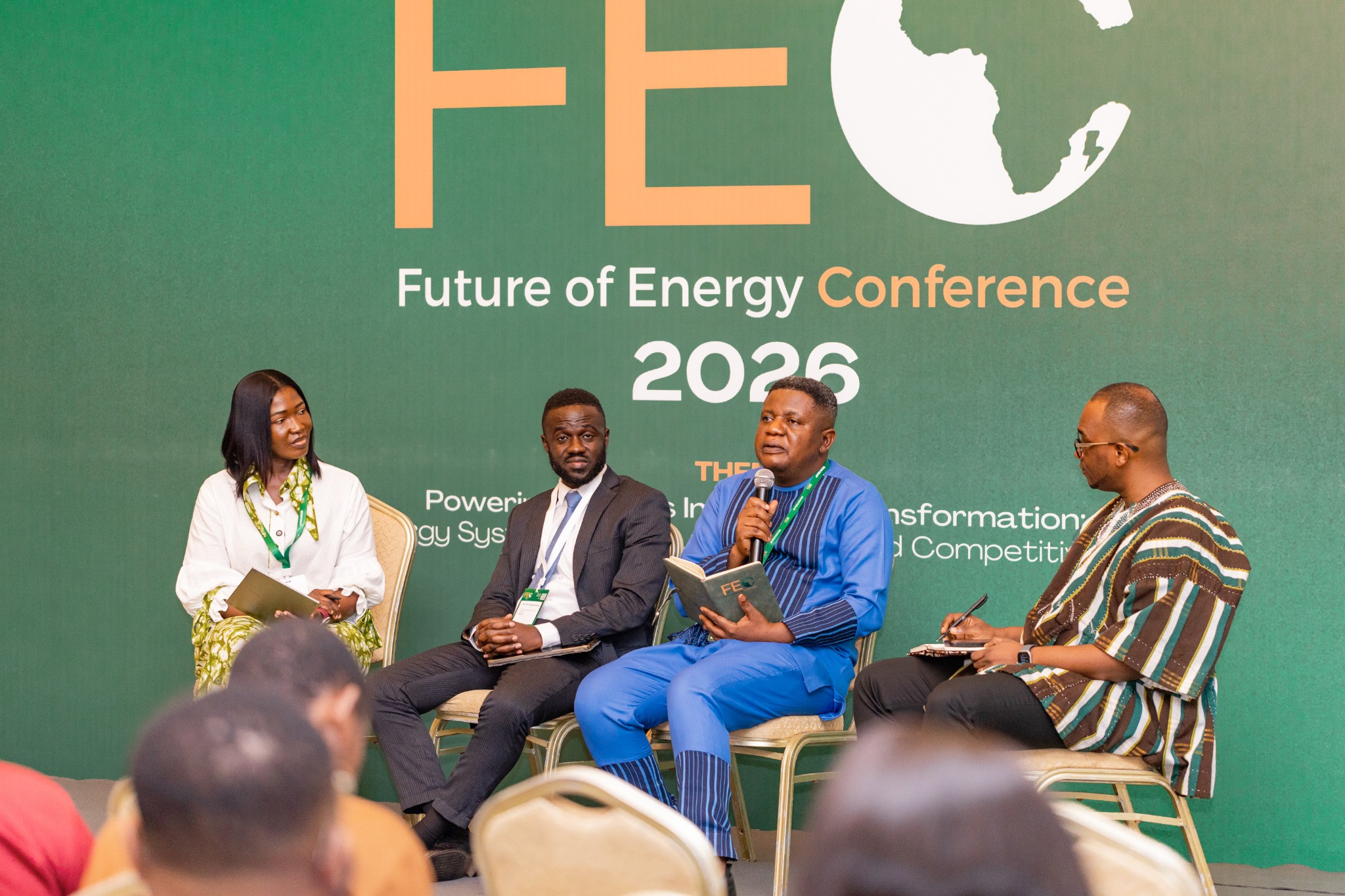
At the Future of Energy Conference 2026, Energy Transition Africa convened Who’s Going to Run Africa’s Energy Transition?, a moderated conversation examining whether Africa is investing in this human infrastructure with the same seriousness it is investing in physical infrastructure.
The session brought together perspectives from government, industry and the International Labour Organisation to examine the workforce and institutional capabilities required to deliver Africa’s energy transition.
The Missing Line Item
Africa faces an unusual convergence of challenges and opportunities. Hundreds of millions of people still lack access to electricity while governments, investors and development institutions are pursuing a rapid expansion of renewable energy, grids, distributed energy systems and new energy industries.
Yet building infrastructure is only part of the challenge.
Every new connection requires people who can plan systems, regulate markets, structure projects, negotiate agreements, install equipment, operate assets and maintain them over decades.
The discussion explored a central question:
Is Africa building the human infrastructure required to deliver the energy transition at the scale now being promised?
The Capability Conversation
Rather than treating the workforce challenge simply as a shortage of installers or technicians, the session examined capability across the energy delivery system.
The conversation explored four questions:
The workforce we’re not seeing
Which occupations and capabilities are missing from current discussions about Africa’s energy transition?
Where the pipeline is breaking
Are education and training systems producing the people the sector actually needs — including grid planners, system-protection engineers, project developers, regulators and professionals capable of structuring viable energy projects?
What the capability gap costs
How do shortages in skills and institutional capability affect project delivery, investment risk and the long-term performance of energy infrastructure?
Building the workforce for the transition
What would need to change structurally for Africa to build the scale and diversity of capability required for the decades ahead?
Why It Matters
The energy transition will require more than financing equipment and constructing infrastructure.
Africa must also build the institutions, professions, technical capabilities and workforce systems that allow those investments to function.
That means treating human capability not as a secondary social benefit of energy investment, but as part of the infrastructure required to make the investment succeed.
The question is therefore not only how much Africa will invest in its energy transition.
It is also: Who is going to run it?