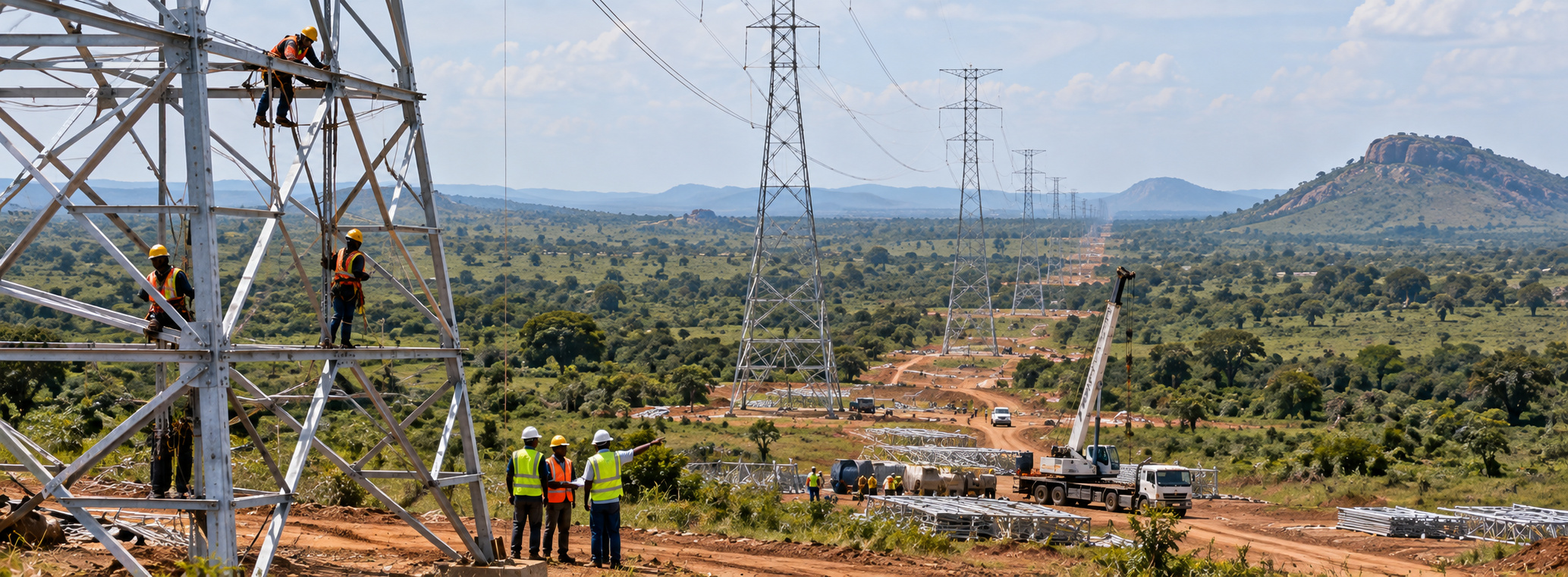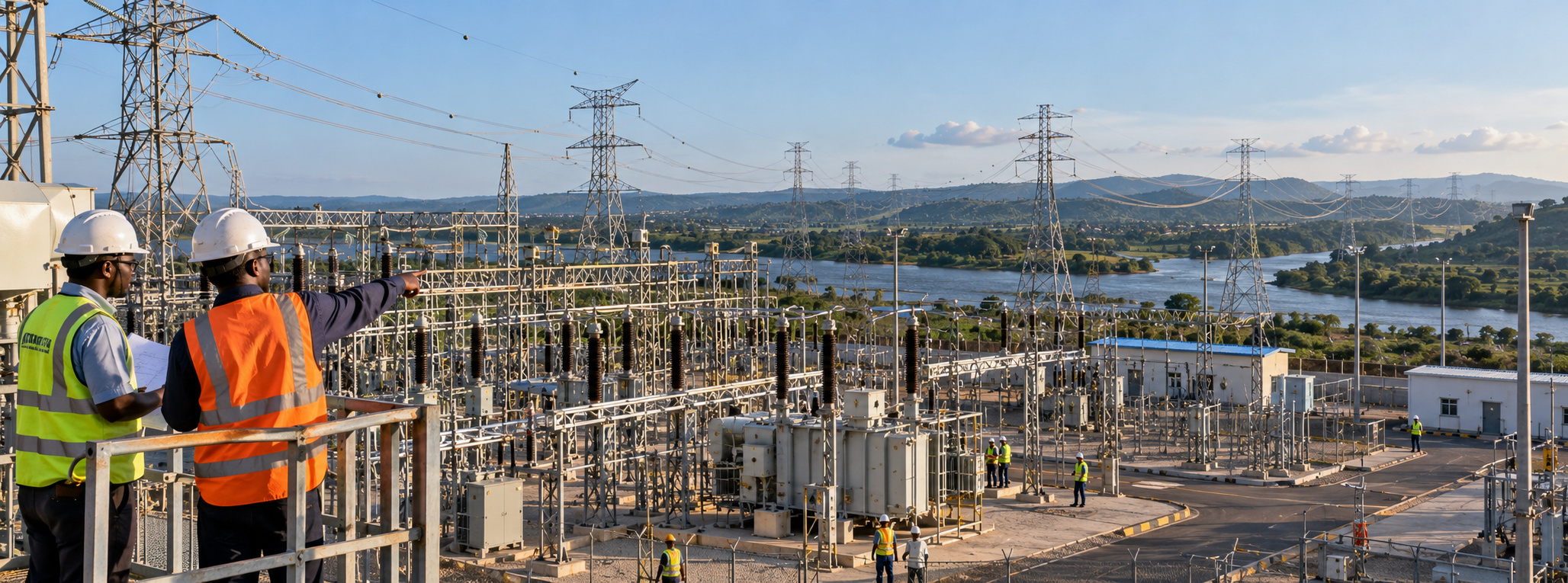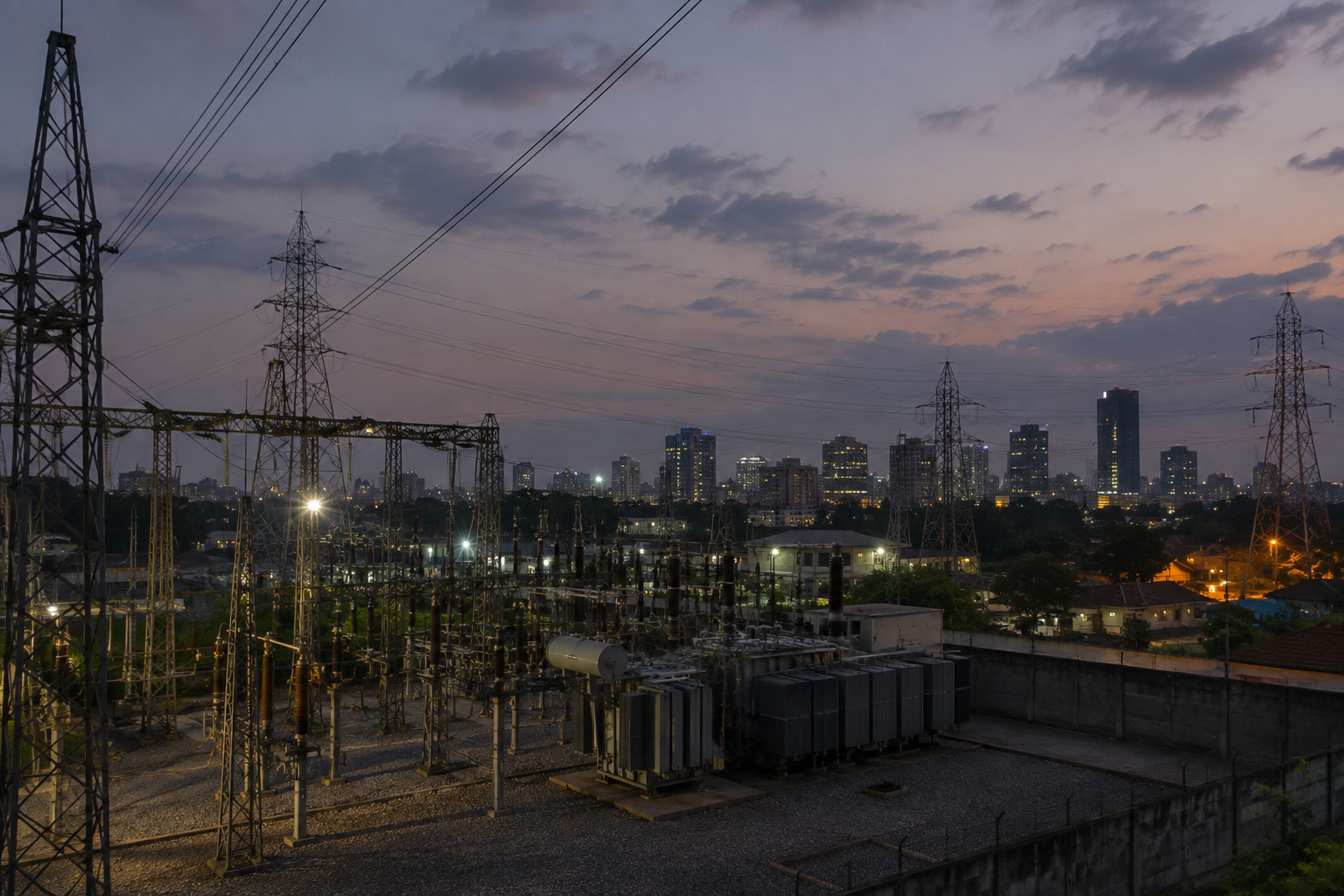
Africa's Internet Runs on Fibre. The Power Keeping It Online Still Runs on Diesel.
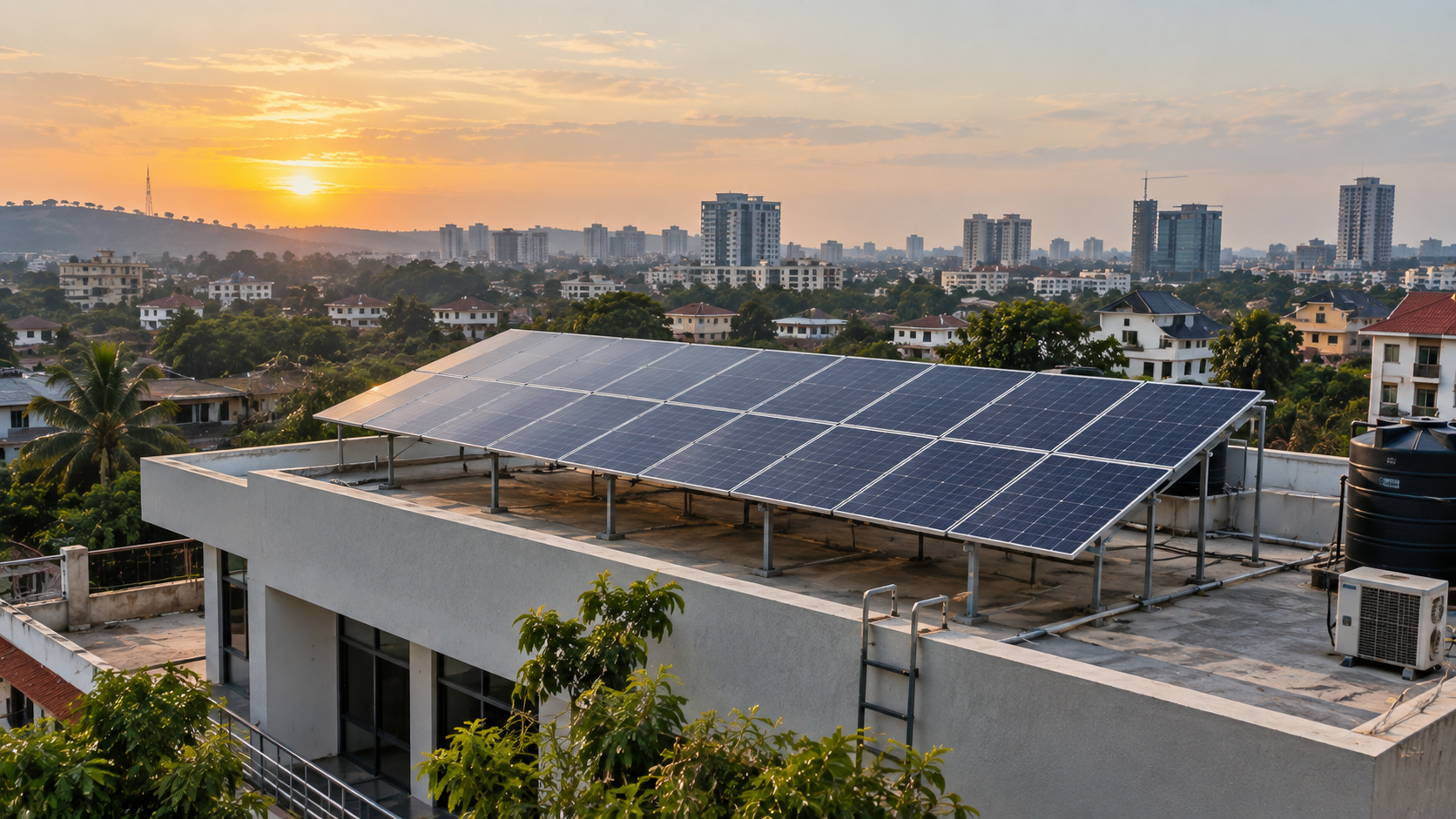
Around 70% of Africa's 500,000 telecom towers rely on diesel. ETA examines the hidden energy system powering fibre, mobile networks, and digital growth.

ETA Analysis delivers in-depth analysis of Africa’s energy transition, energy policy, and political economy. This section examines the forces shaping power, resources, and decision-making — from fossil fuel phase-out pathways and critical minerals to climate finance and governance reform. Grounded in evidence and regional context, these analyses connect policy, politics, and economics to reveal what Africa’s energy transition really means for communities, governments, and the continent’s future.
120 articles found

Around 70% of Africa's 500,000 telecom towers rely on diesel. ETA examines the hidden energy system powering fibre, mobile networks, and digital growth.

Women increasingly appear in Africa's energy policies, but major gaps remain in workforce, finance, and outcome measurement. ETA examines the latest data.

IRENA and ILO count 16.6 million renewable jobs worldwide but only 344,000 in Africa. ETA examines the value chain and workforce data gaps behind the figure.

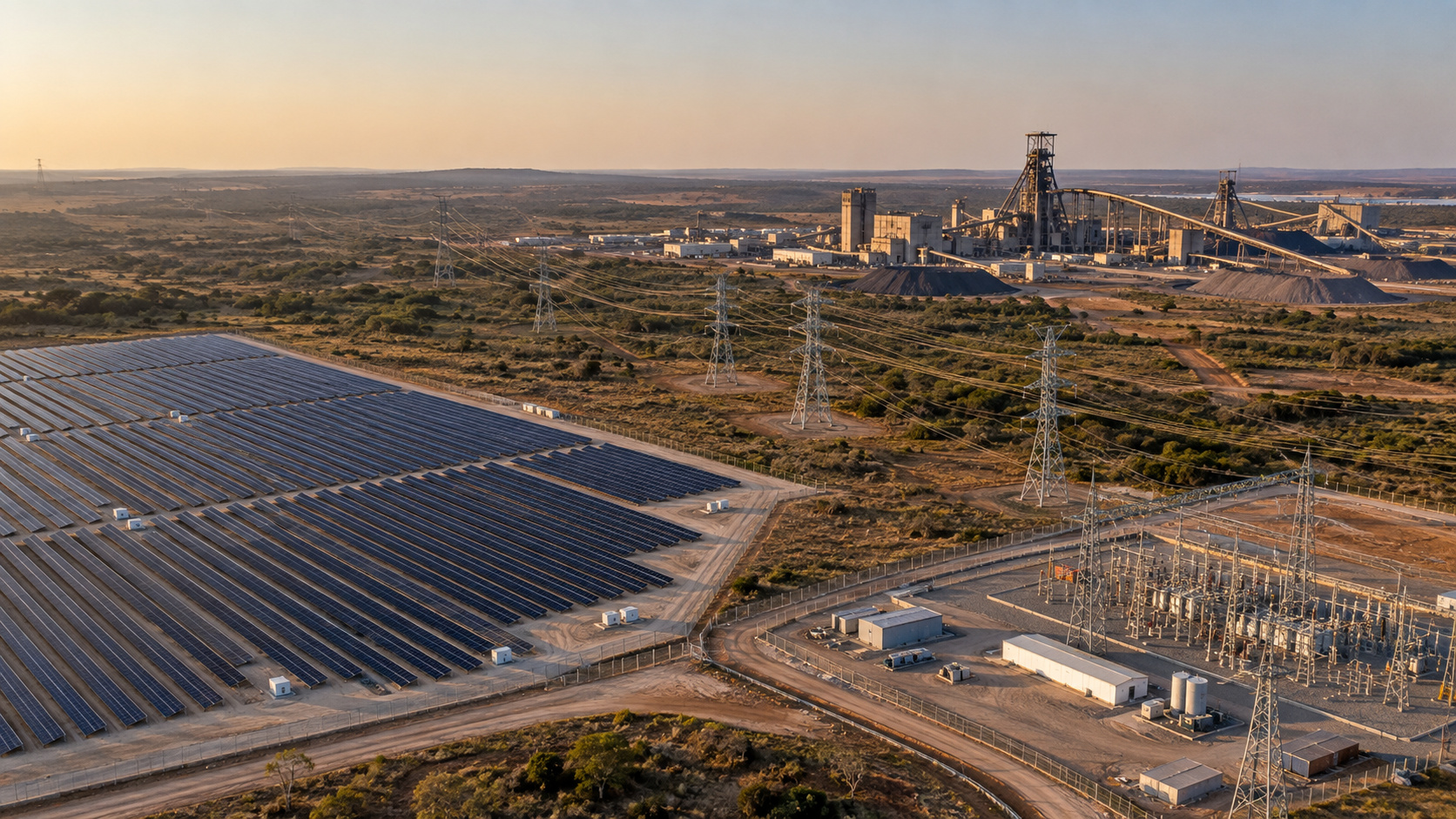
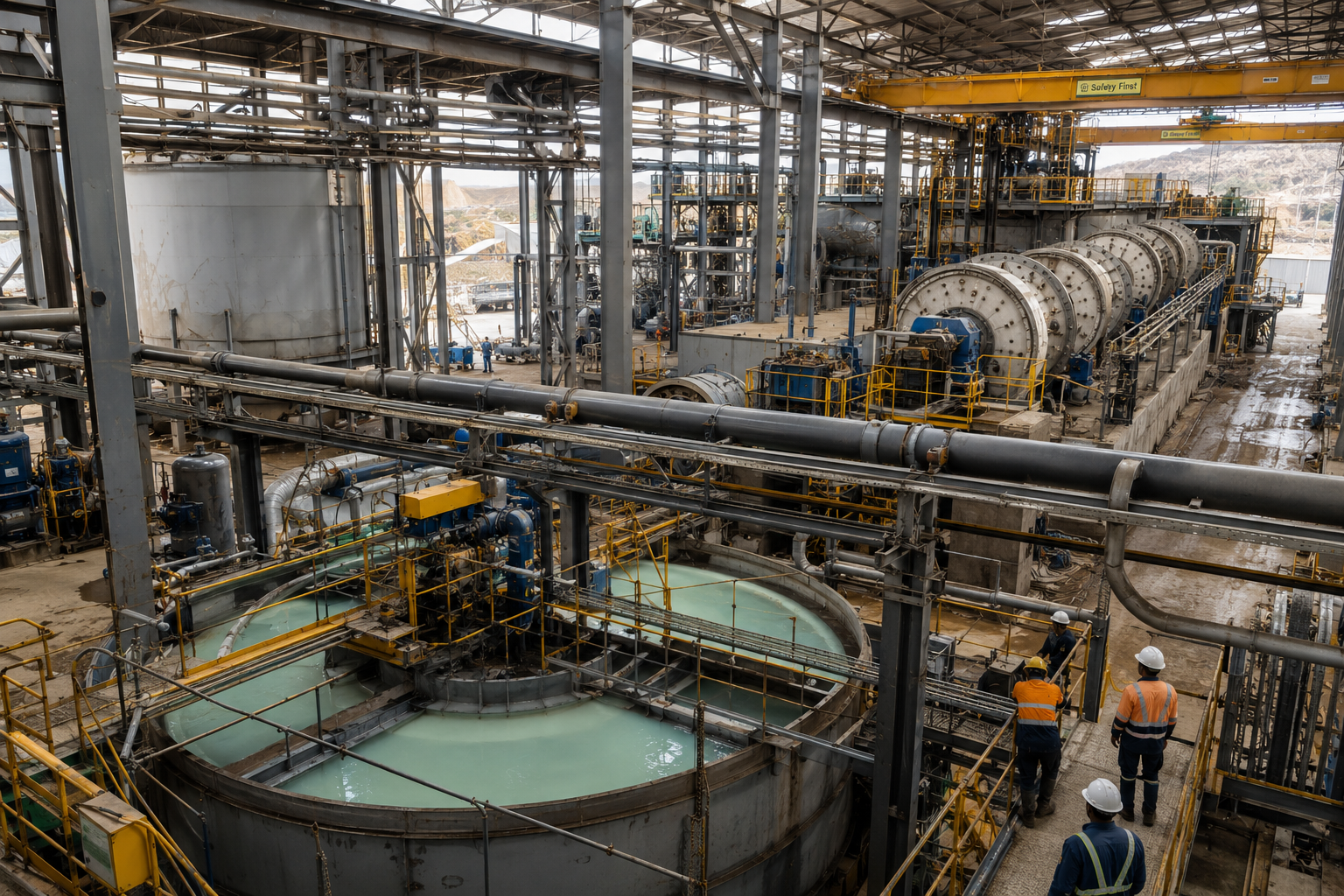
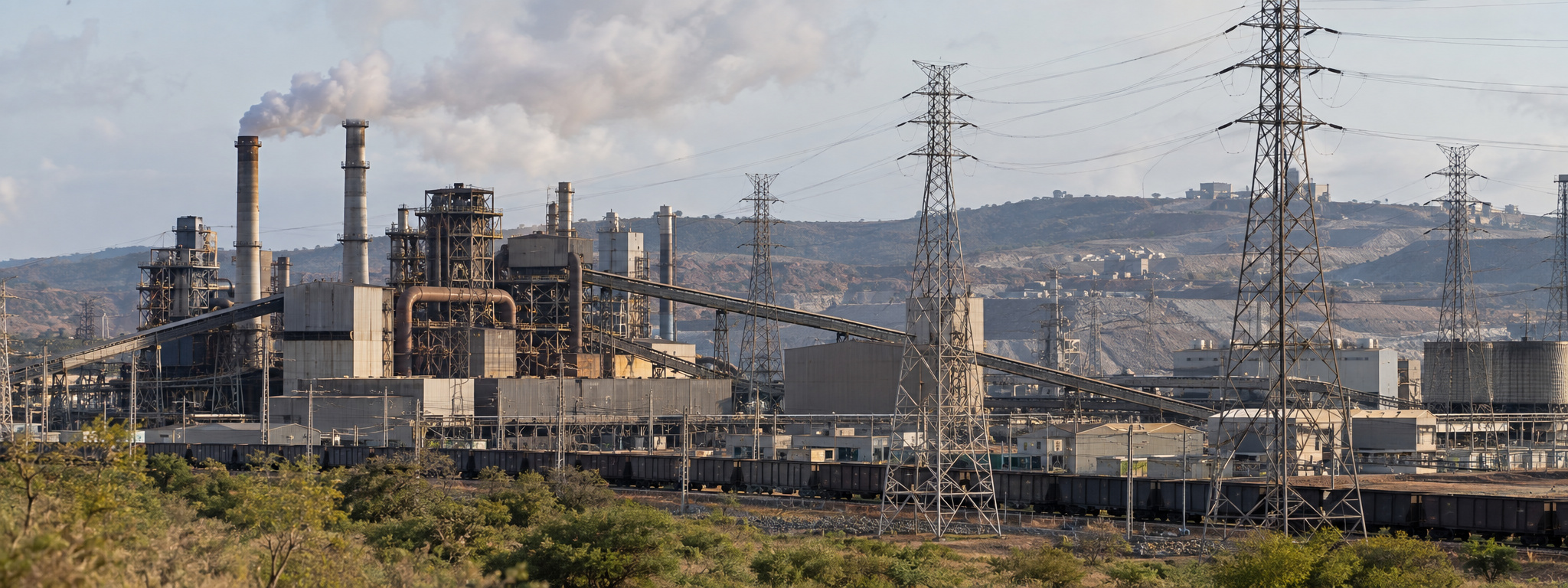
Zambia produced 890,346 tonnes of copper in 2025. ETA examines whether smelting, power and manufacturing can turn rising output into lasting value.

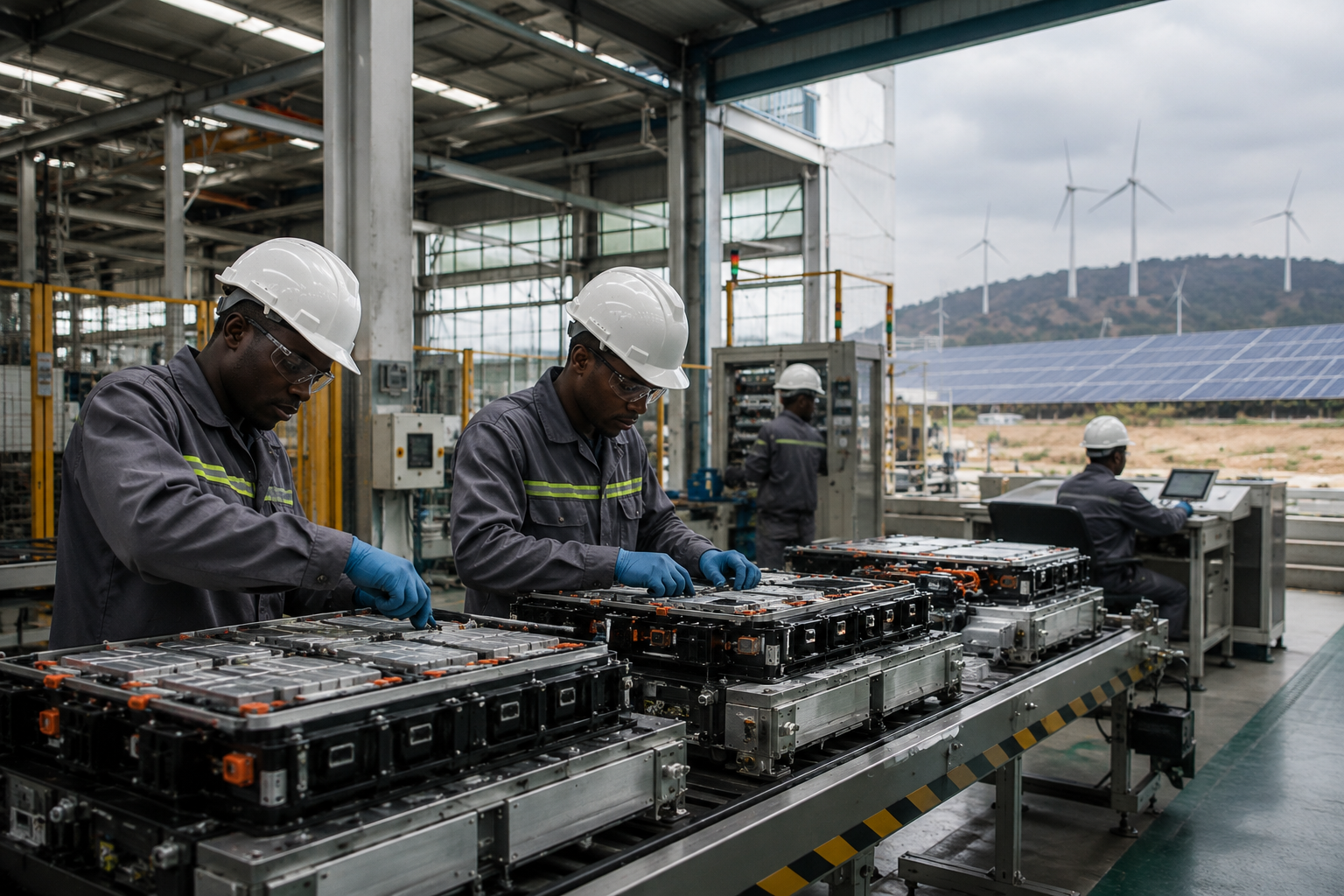
Nigeria's lead-acid solar batteries are cheap partly because nobody has priced the lead inside them properly. Formal recycling capacity has grown fivefold in a decade, yet no agency publishes the formal-to-informal split. ETA traces the supply chain nobody has mapped.

Africa has 31 green hydrogen projects targeting 1.2 Mt by 2030. Only 2% of the 17 GW pipeline has reached FID. WACC reaches 16% in some markets. AMAN suspended. ETA reads the IEA's first dedicated Africa chapter in detail.

Africa commissions megawatts and counts connections. It rarely measures whether the people to sustain what it builds are being developed at the same pace. Vincent Egoro on the human infrastructure gap that determines whether Africa's energy investments last thirty years or ten.

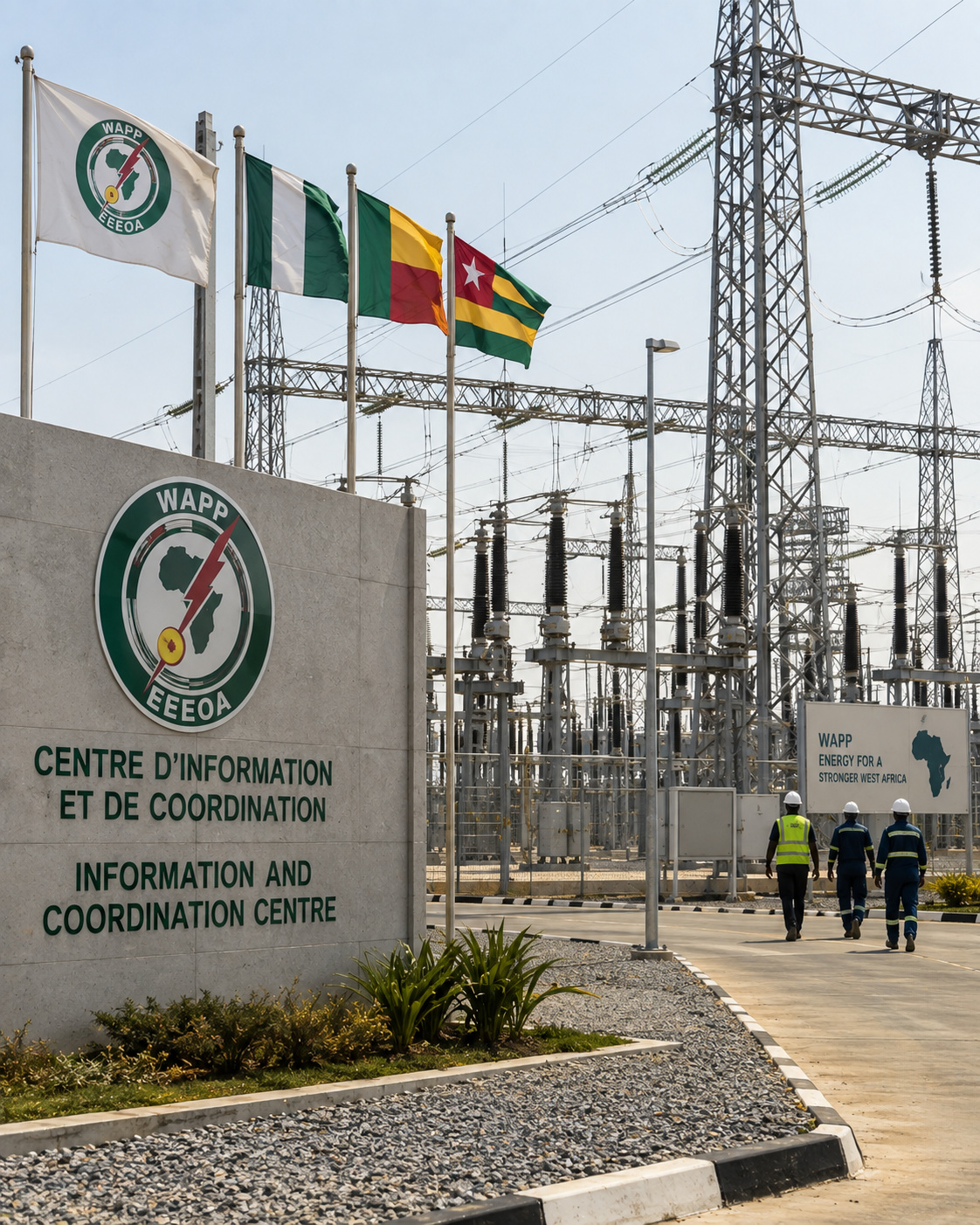
The WAPP North Core Project is 56% complete after security delays. Nigeria synchronised with the regional grid for 4 hours in November 2025. Ghana-Côte d'Ivoire reinforcement MOU signed in June 2025. ETA on where West Africa's unified grid project actually stands in 2026.

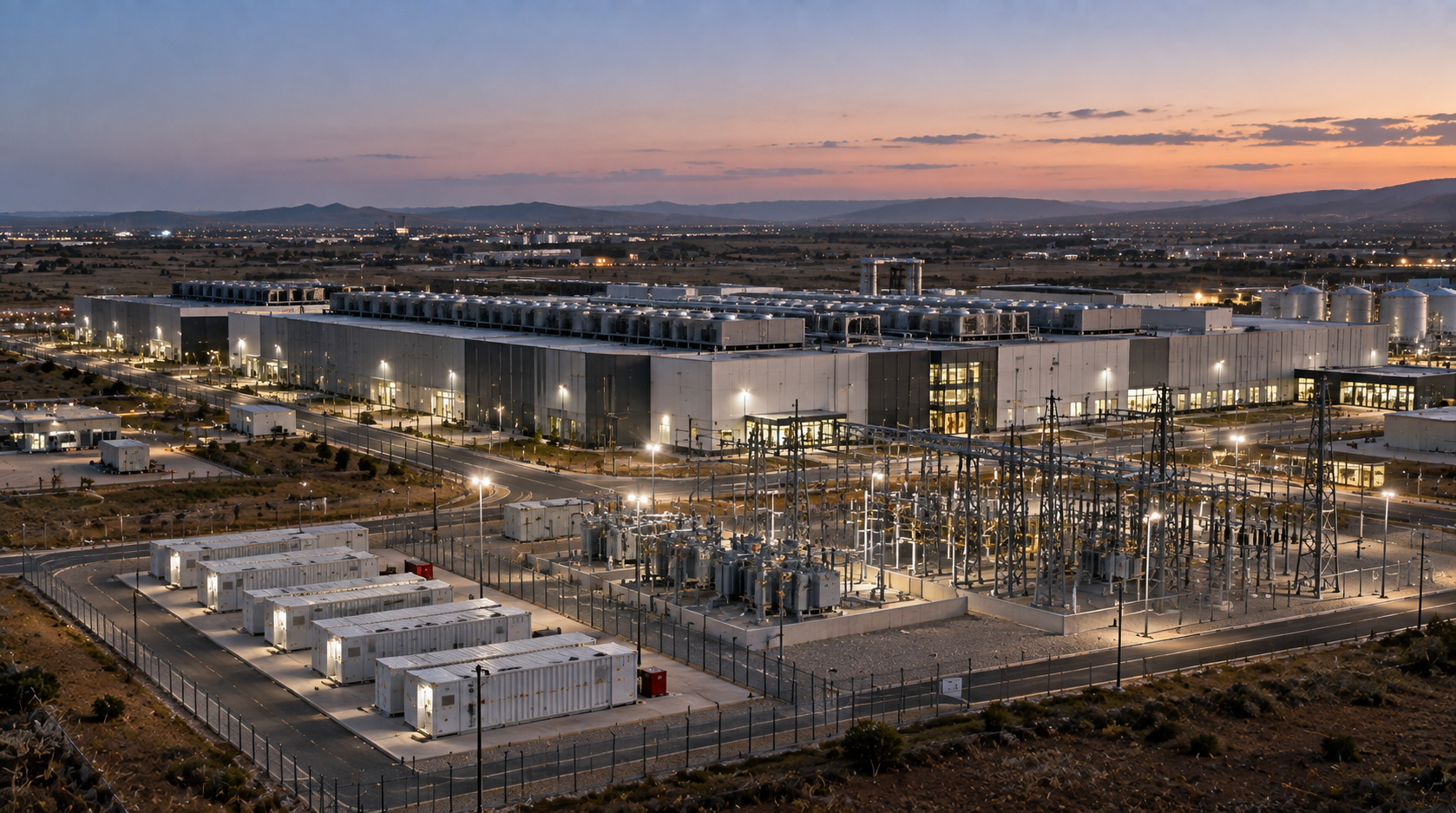
Africa's AI data centre build-out is converging on natural gas, not solar. A 20 MW facility in Nigeria needs a 100 MW gas plant. Kenya's geothermal grid shows the alternative. ETA on who bears the stranded-asset risk if the global AI capex cycle turns.

The DRC produced two-thirds of global mined cobalt in 2025 and its export quota now drives the market into deficit. China is projected to refine 90% of battery-grade graphite in 2040. ETA reads the IEA's 2026 Outlook, mineral by mineral for what it means for Africa.

Africa holds 30% of global critical mineral reserves and captures less than 5% of the value added. On 10 July 2026, two events on the same day showed why. ETA on the institutional gap between Africa's continental minerals vision and national implementation capacity.

Only 2 of 54 African countries hold investment-grade ratings. Country risk explains the 56% variation in renewable energy financing costs. Bloomberg put $285m behind institutional capacity, not solar farms. Vincent Egoro on what the bet means, and the question it still hasn't answered.