Only Seven African Governments Showed Up in Santa Marta and It Reveals a Bigger
Only seven African governments are in Santa Marta. Their presence and the absence of most others reveal how Africa’s energy future is being negotiated.

ETA Analysis delivers in-depth analysis of Africa’s energy transition, energy policy, and political economy. This section examines the forces shaping power, resources, and decision-making — from fossil fuel phase-out pathways and critical minerals to climate finance and governance reform. Grounded in evidence and regional context, these analyses connect policy, politics, and economics to reveal what Africa’s energy transition really means for communities, governments, and the continent’s future.
92 articles found

Only seven African governments are in Santa Marta. Their presence and the absence of most others reveal how Africa’s energy future is being negotiated.

Global energy investment reaches $3.3 trillion in 2025. Africa gets 2%. But 80% of announced African energy projects never reach financial close, Chinese DFI spending has fallen 85%, and bankability conditions are absent in most markets. ETA maps why the money doesn't arrive.

Africa has power, but it is too expensive to use, as tariffs rise, utilities struggle, and high financing costs limit what the energy transition can deliver.

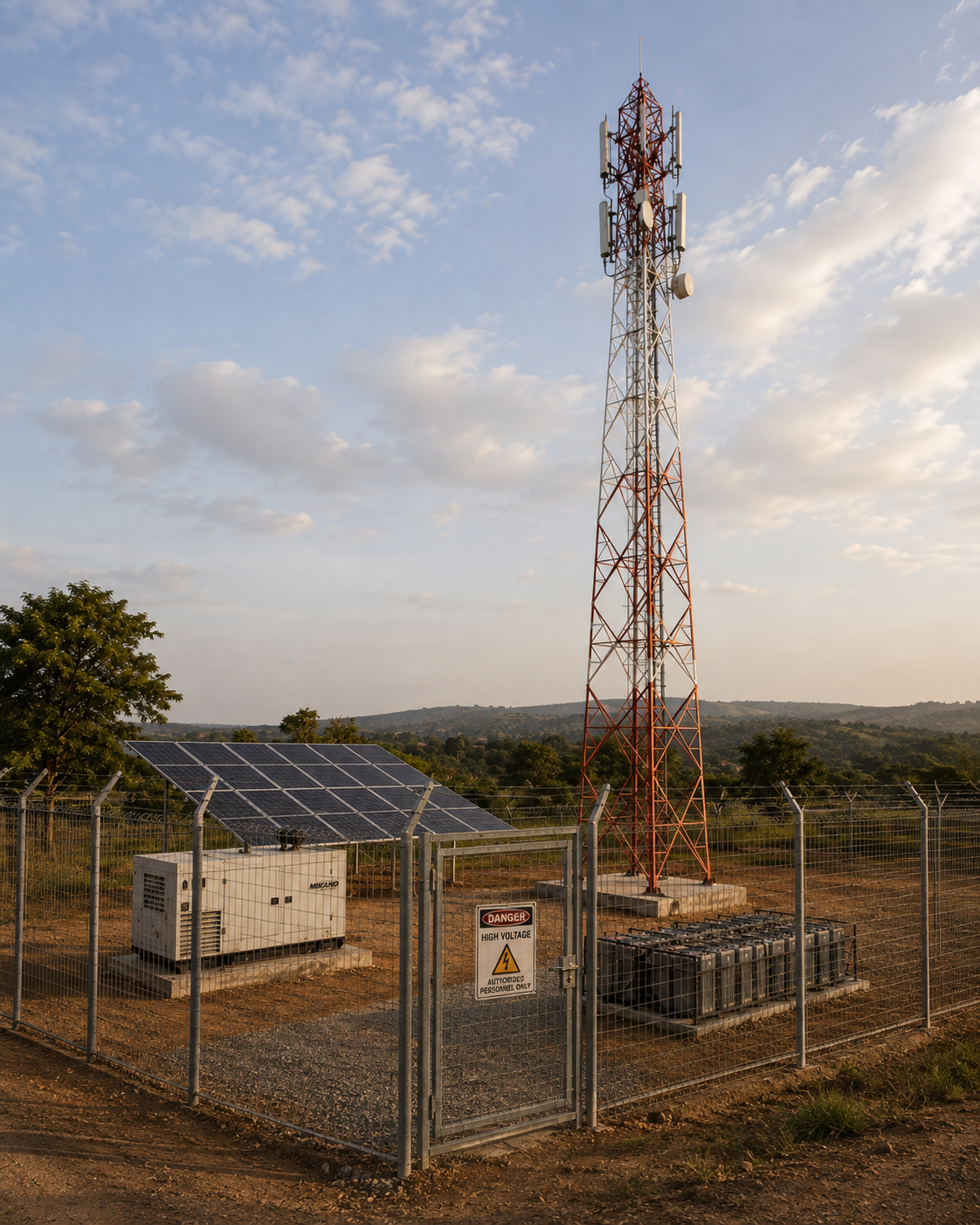
Africa’s digital economy runs on diesel, with telecom towers and data centres heavily dependent on fossil fuel, driving costs and exposing a critical infrastructure gap.

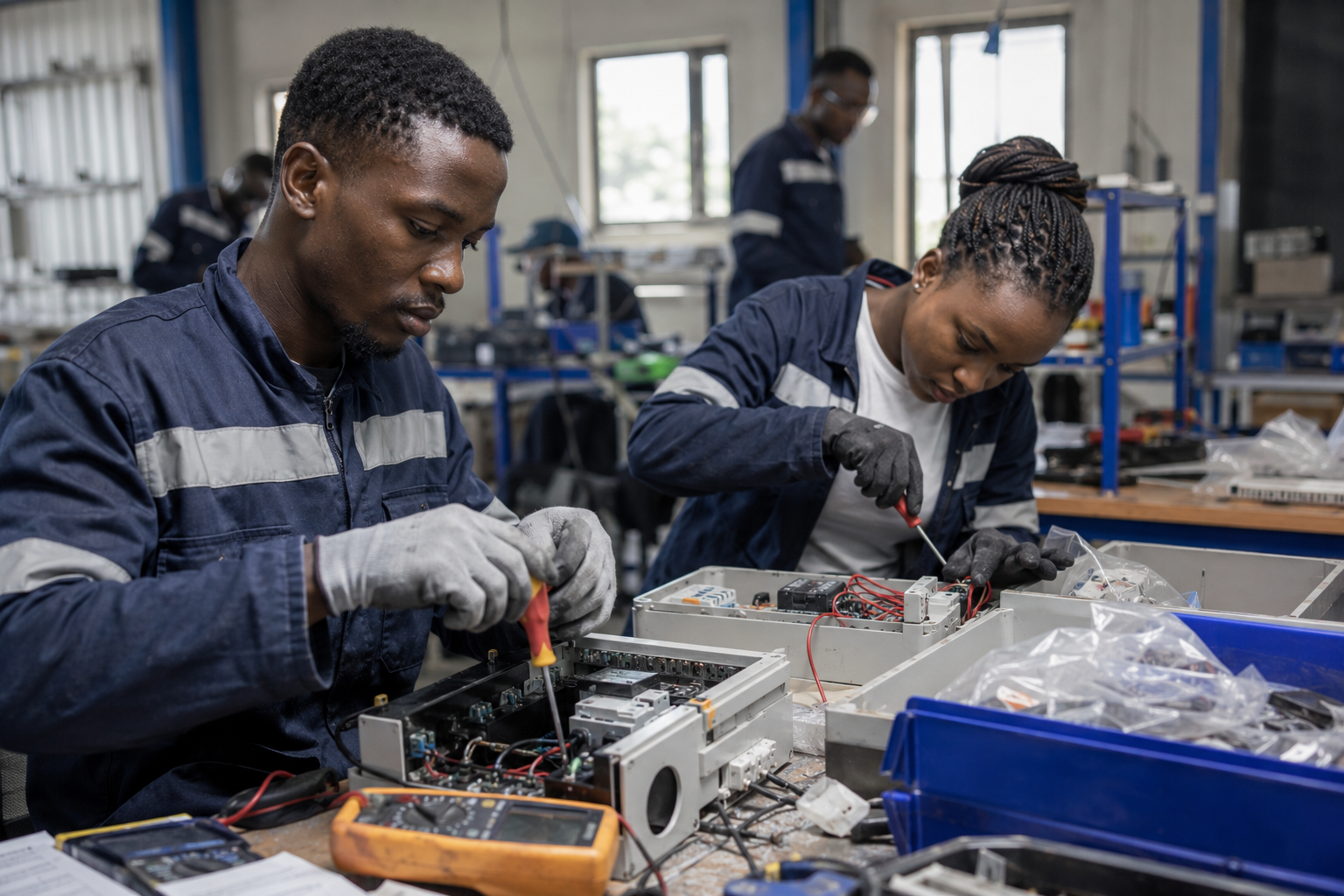
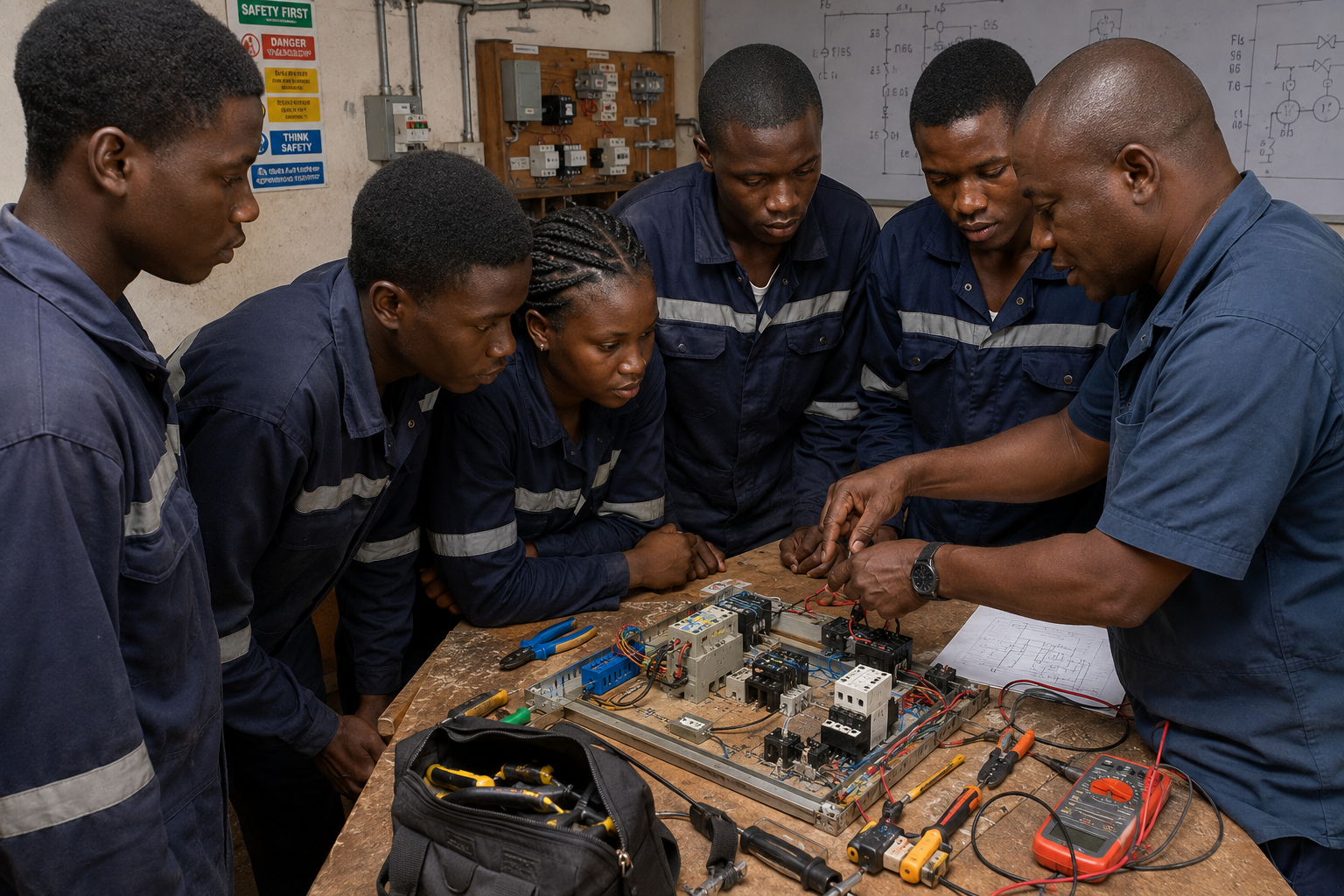
At TED Vancouver, Vincent Egoro reflects on Africa’s energy transition, where systems are installed but often fail because the people to run them are missing.

The IEA's State of Energy Policy 2026, published this month, documents policy momentum in sub-Saharan Africa. But read against the IEA's Age of Electricity framing, it reveals a policy architecture still calibrated to a transition the global energy system has already moved beyond.

Record capacity, rising access, growing investment. All true. All incomplete. ETA examines the three data pairs that show what Africa's energy transition is actually delivering in 2026.

Nigeria produces thousands of engineers. But its grid fails because utilities can't service what they build. Vincent Egoro names the commissioning gap nobody is measuring.

Nigeria's $14 billion generator economy has its own supply chains, financing networks, and political economy. ETA Analysis examines why it actively competes with — rather than yields to — the energy transition.

African countries borrow at 15–18% to finance clean energy infrastructure. Europe and the US pay 2–5%. This isn't a financing gap, but a pricing architecture. ETA Analysis examines how the creditworthiness framework locks Africa into fossil fuel dependence and why volume pledges alone can't fix it.

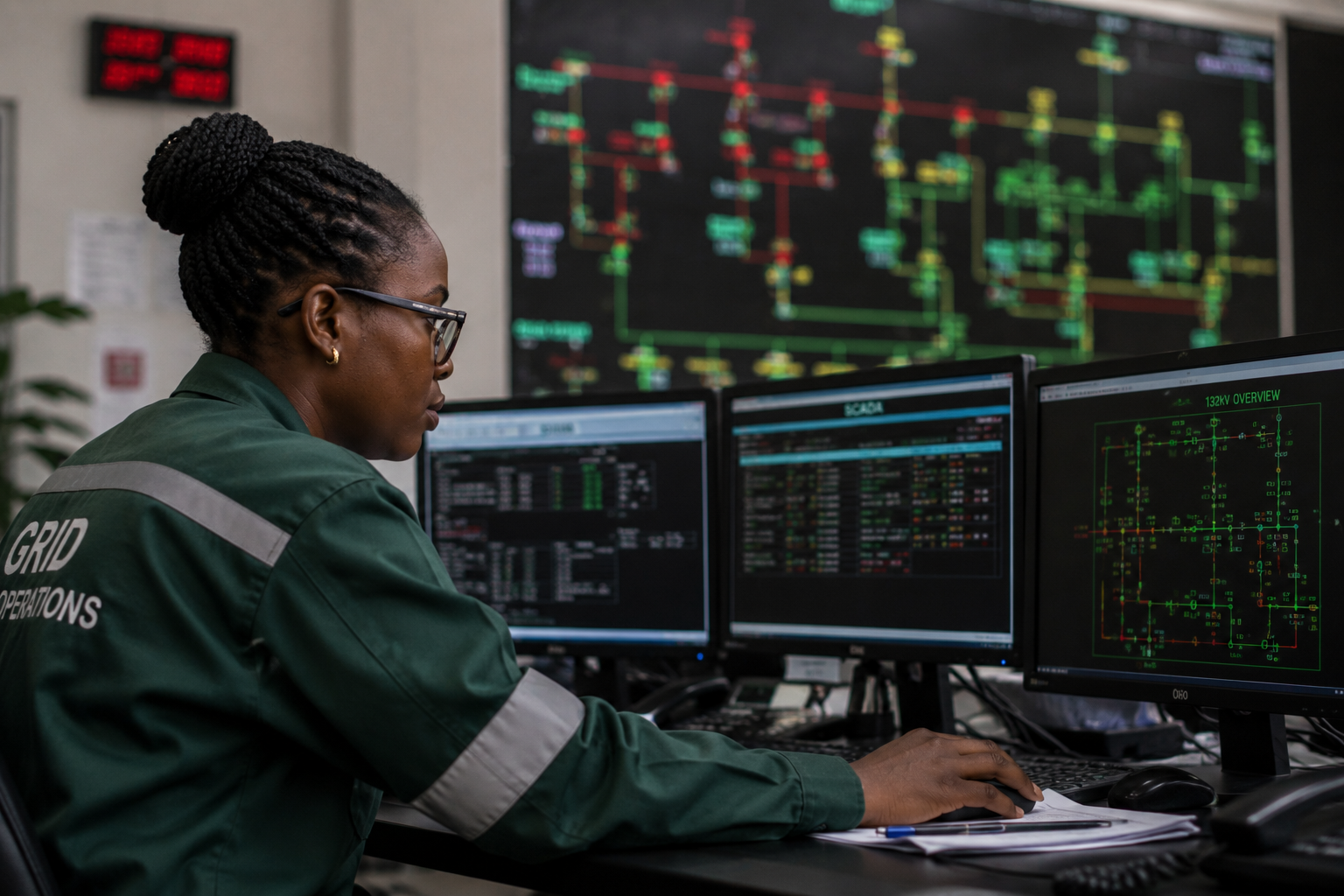
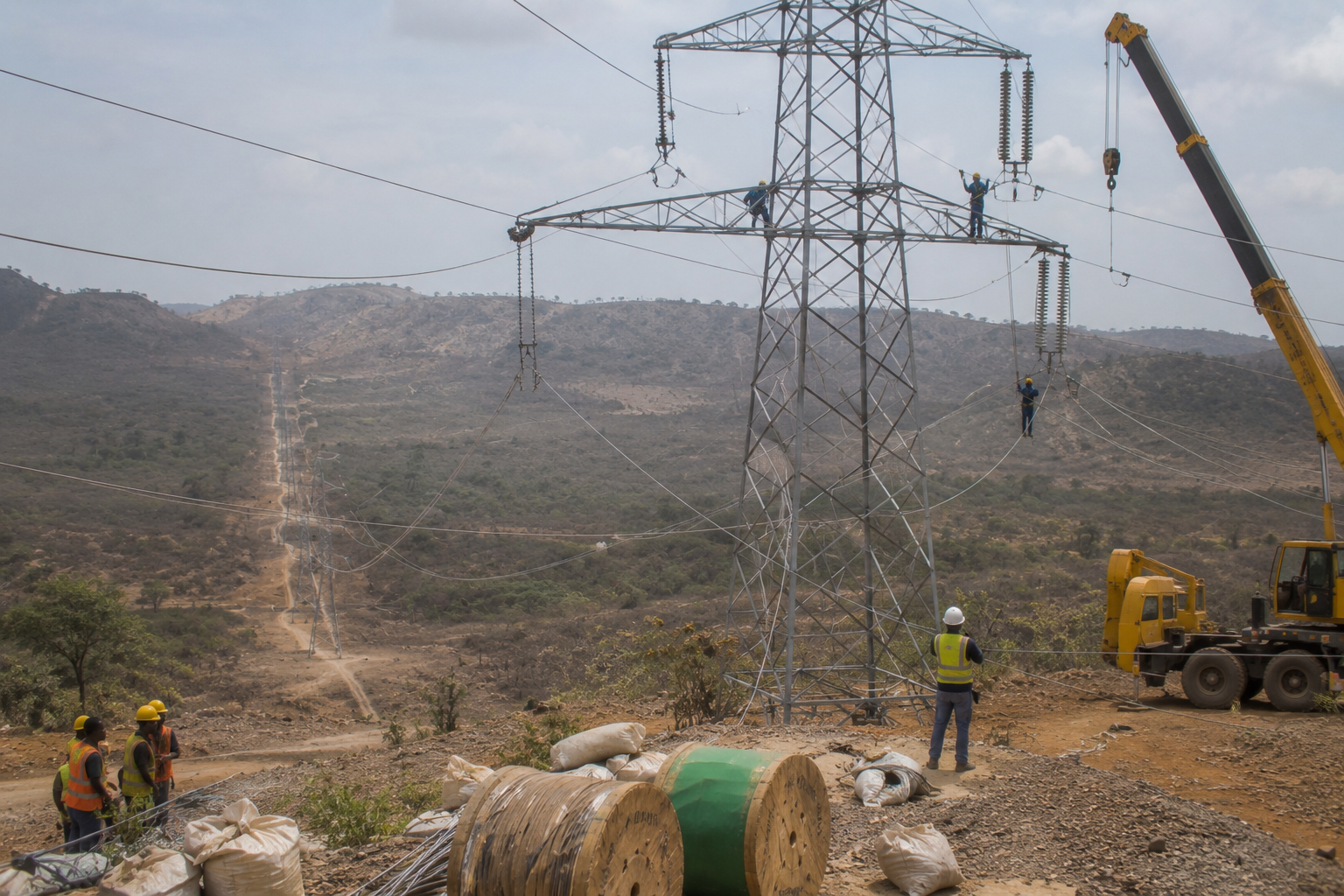
Nigeria's grid collapsed twelve times in 2024. Lake Turkana's evacuation line has failed repeatedly. The IEA and World Bank have documented Africa's maintenance deficit for years. Vincent Egoro asks why the diagnosis keeps arriving without changing anything about how the transition is financed.

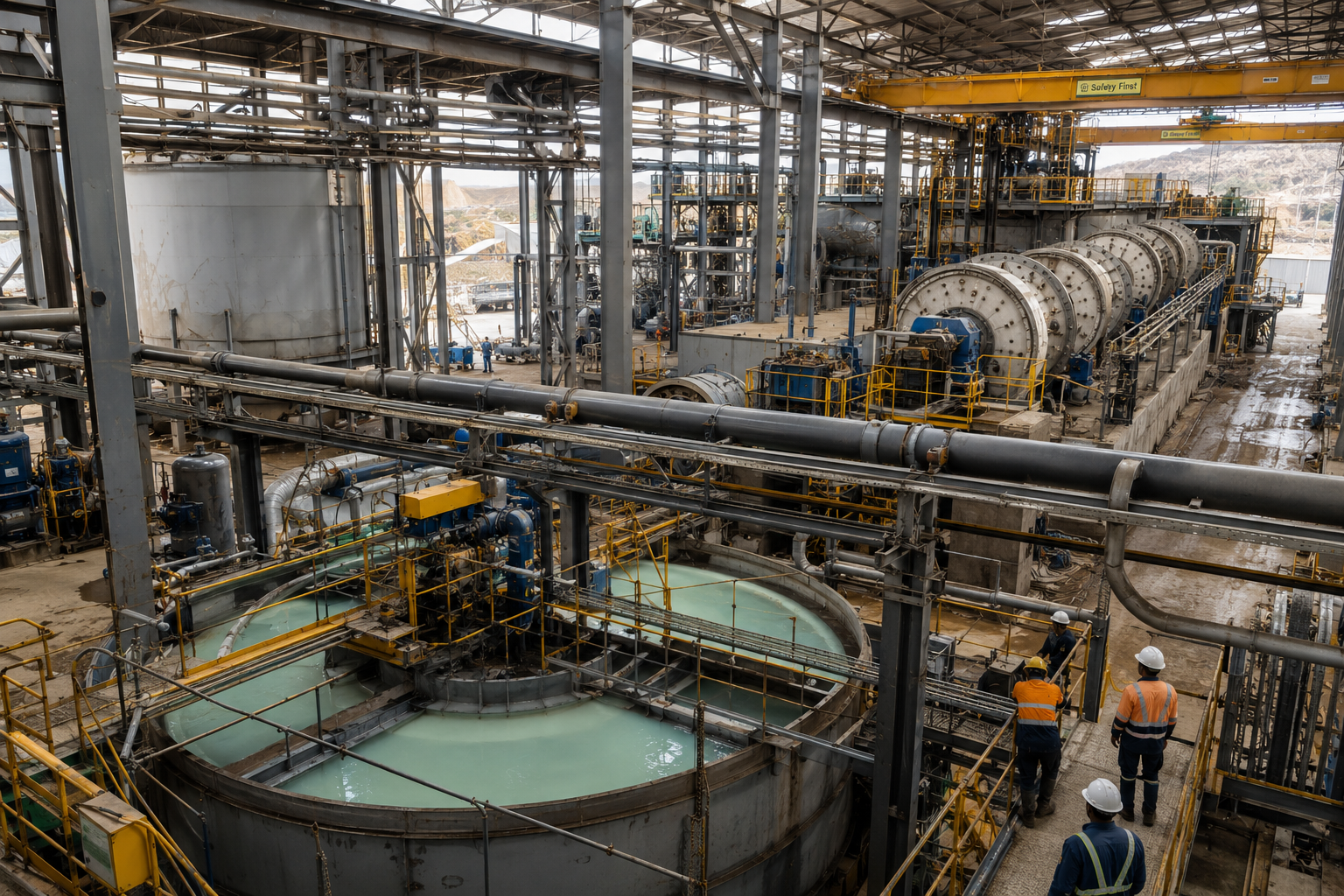
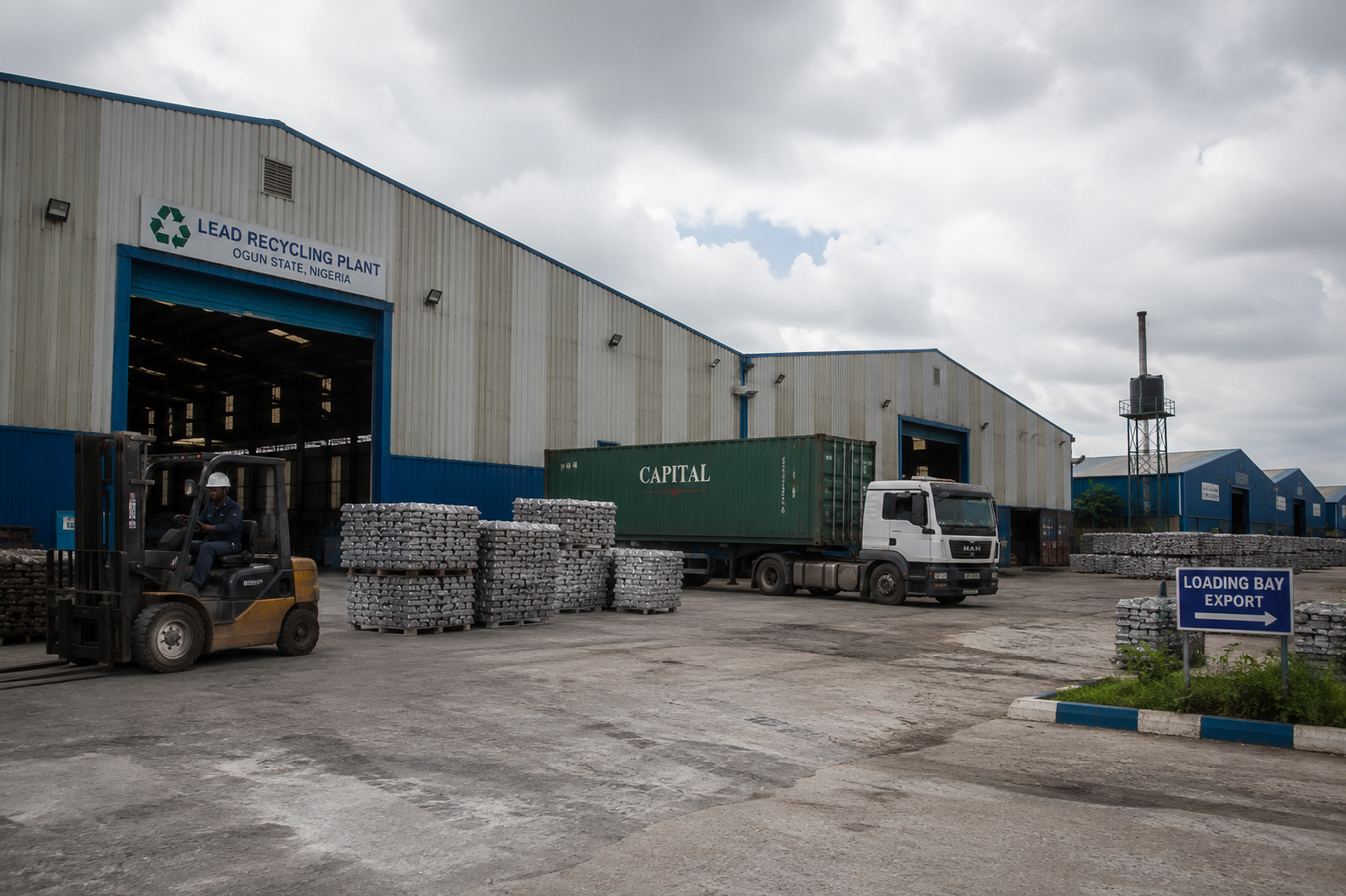
Africa's energy transition is built around access and renewables. But industry — the sector that drives economic transformation — was never placed at its centre. ETA examines the institutional planning failure holding back Africa's industrial future.