Nigeria Does Not Have an Engineering Shortage It Has an Operational Failure
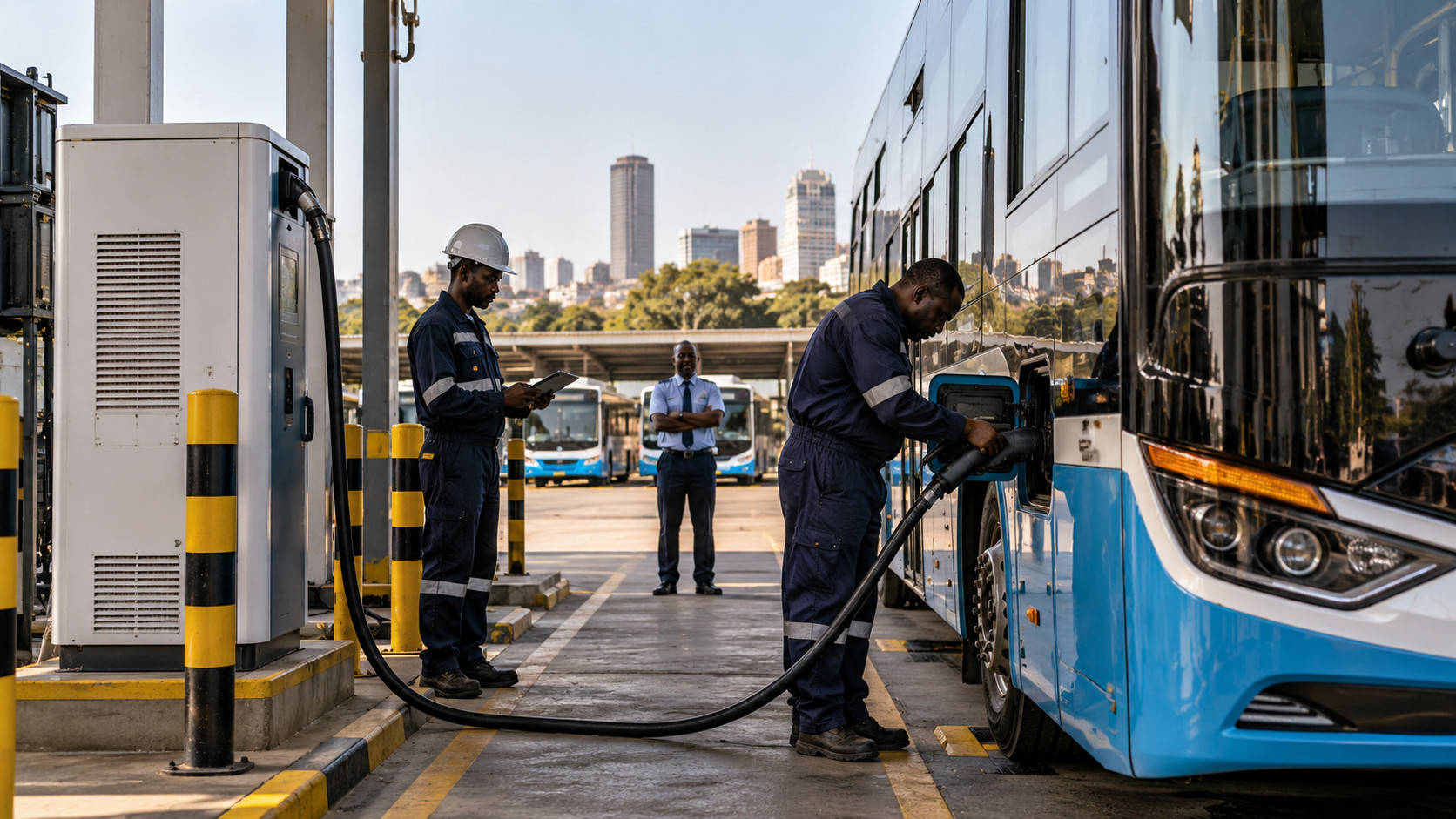
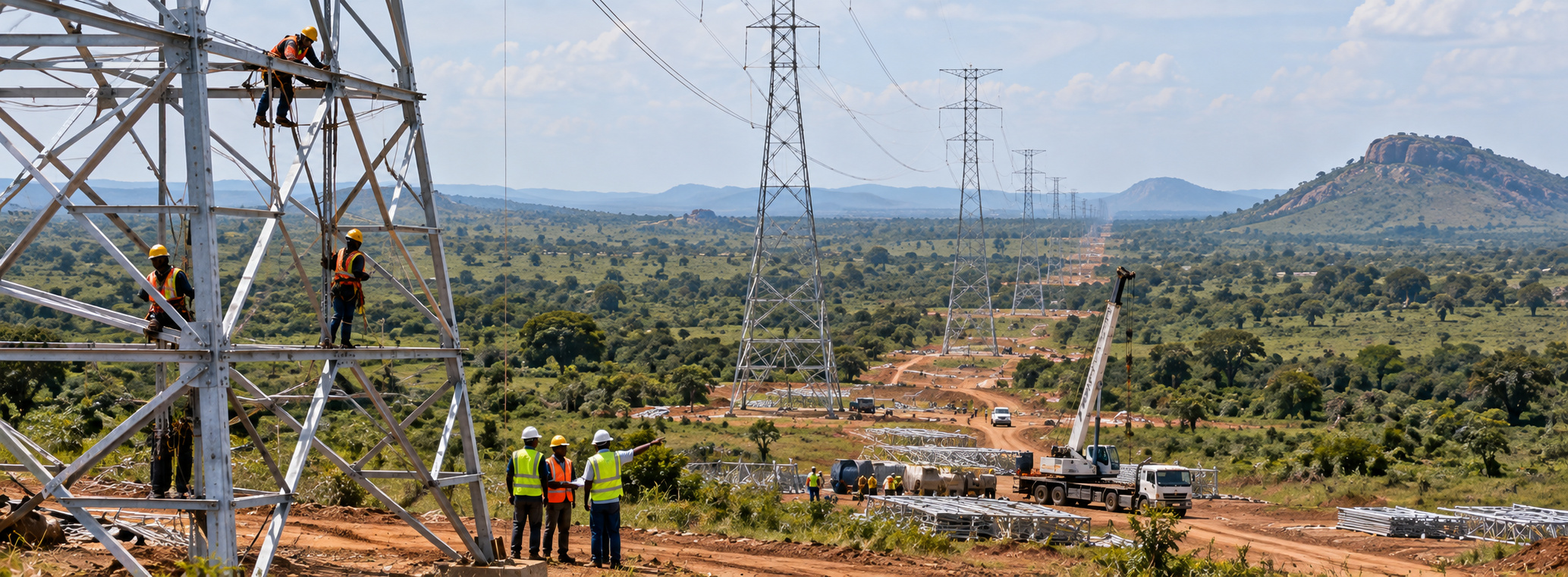
Nigeria produces thousands of engineers. But its grid fails because utilities can't service what they build. Vincent Egoro names the commissioning gap nobody is measuring.

ETA Analysis delivers in-depth analysis of Africa’s energy transition, energy policy, and political economy. This section examines the forces shaping power, resources, and decision-making — from fossil fuel phase-out pathways and critical minerals to climate finance and governance reform. Grounded in evidence and regional context, these analyses connect policy, politics, and economics to reveal what Africa’s energy transition really means for communities, governments, and the continent’s future.
73 articles found

Nigeria produces thousands of engineers. But its grid fails because utilities can't service what they build. Vincent Egoro names the commissioning gap nobody is measuring.

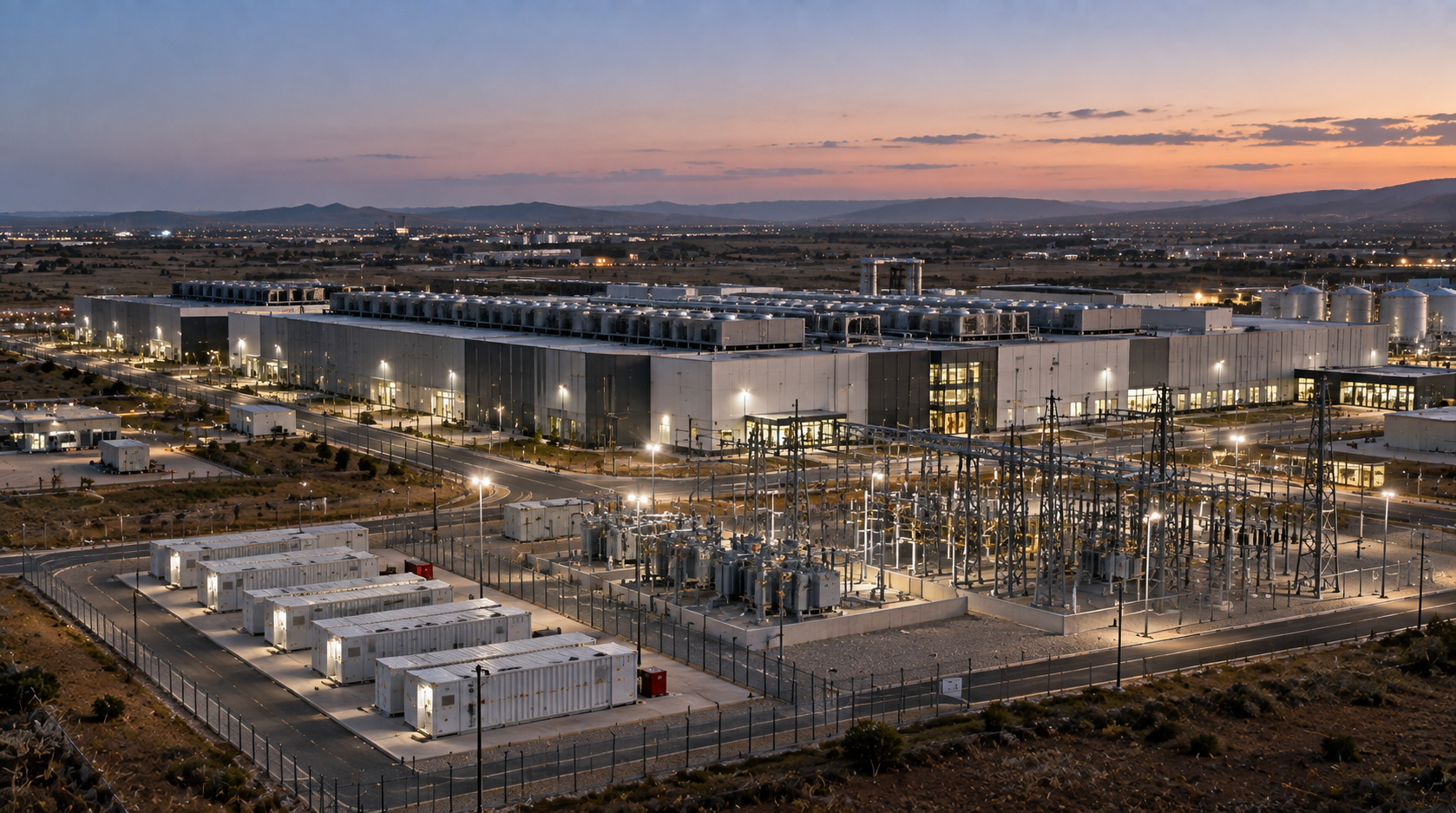
Nigeria's $14 billion generator economy has its own supply chains, financing networks, and political economy. ETA Analysis examines why it actively competes with — rather than yields to — the energy transition.

African countries borrow at 15–18% to finance clean energy infrastructure. Europe and the US pay 2–5%. This isn't a financing gap, but a pricing architecture. ETA Analysis examines how the creditworthiness framework locks Africa into fossil fuel dependence and why volume pledges alone can't fix it.

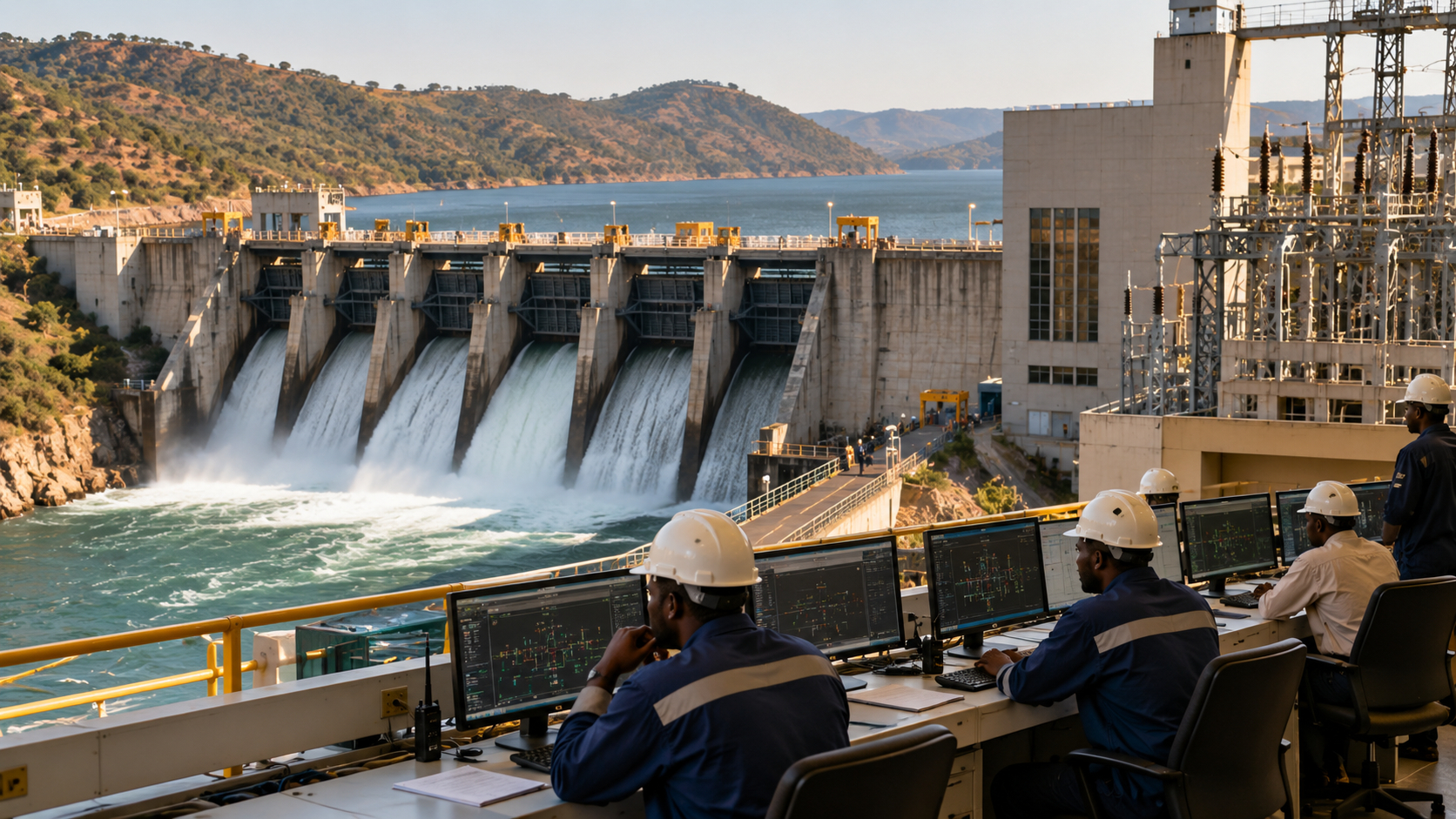
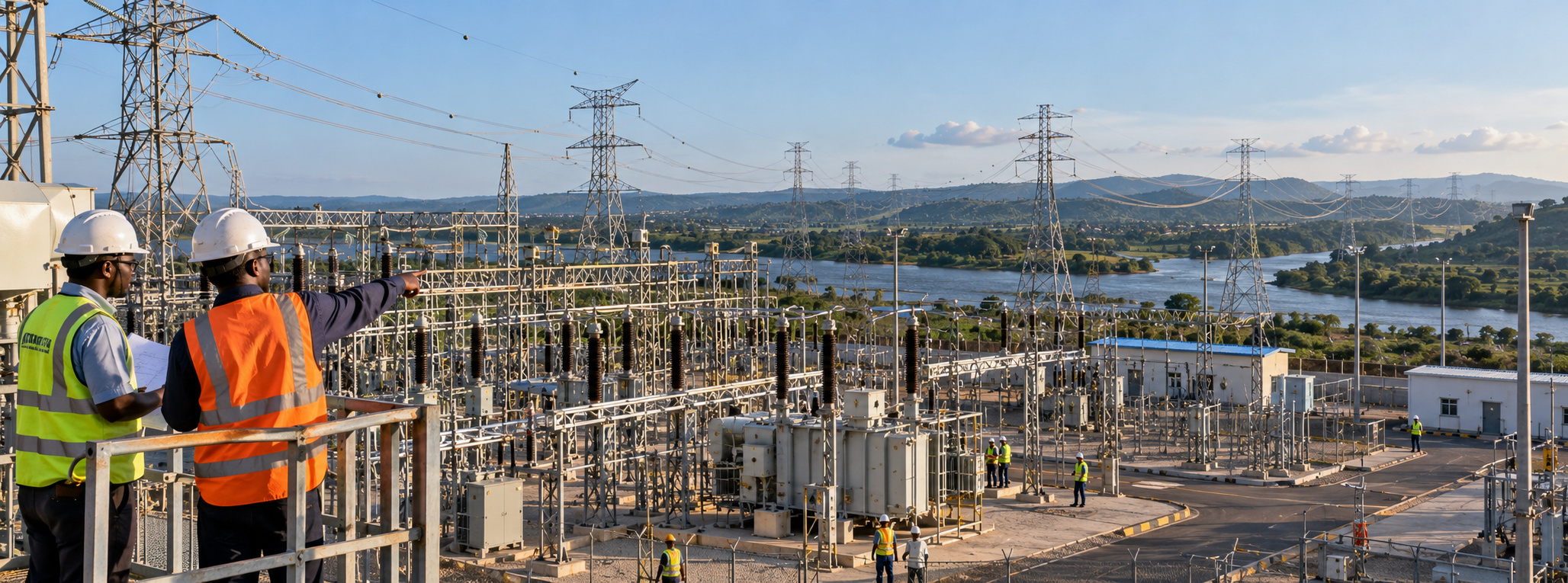
Nigeria's grid collapsed twelve times in 2024. Lake Turkana's evacuation line has failed repeatedly. The IEA and World Bank have documented Africa's maintenance deficit for years. Vincent Egoro asks why the diagnosis keeps arriving without changing anything about how the transition is financed.

Africa's energy transition is built around access and renewables. But industry — the sector that drives economic transformation — was never placed at its centre. ETA examines the institutional planning failure holding back Africa's industrial future.

Africa's clean energy capacity is growing. But for industries across the continent, electricity is becoming too expensive to run on. Vincent Egoro examines the utility insolvency trap, the political economy of power pricing, and why climate finance alone won't solve the affordability crisis.

Congo’s critical minerals strategy is drawing China and the US into competition, but the real question is whether it can turn resource power into real economic value.

Do export bans help Africa capture more value from critical minerals? This analysis examines the trade-offs between beneficiation, investment, and industrial strategy.

Africa is pushing for mineral beneficiation, but smelters and processing industries are already declining. Can industrialisation survive this trend?

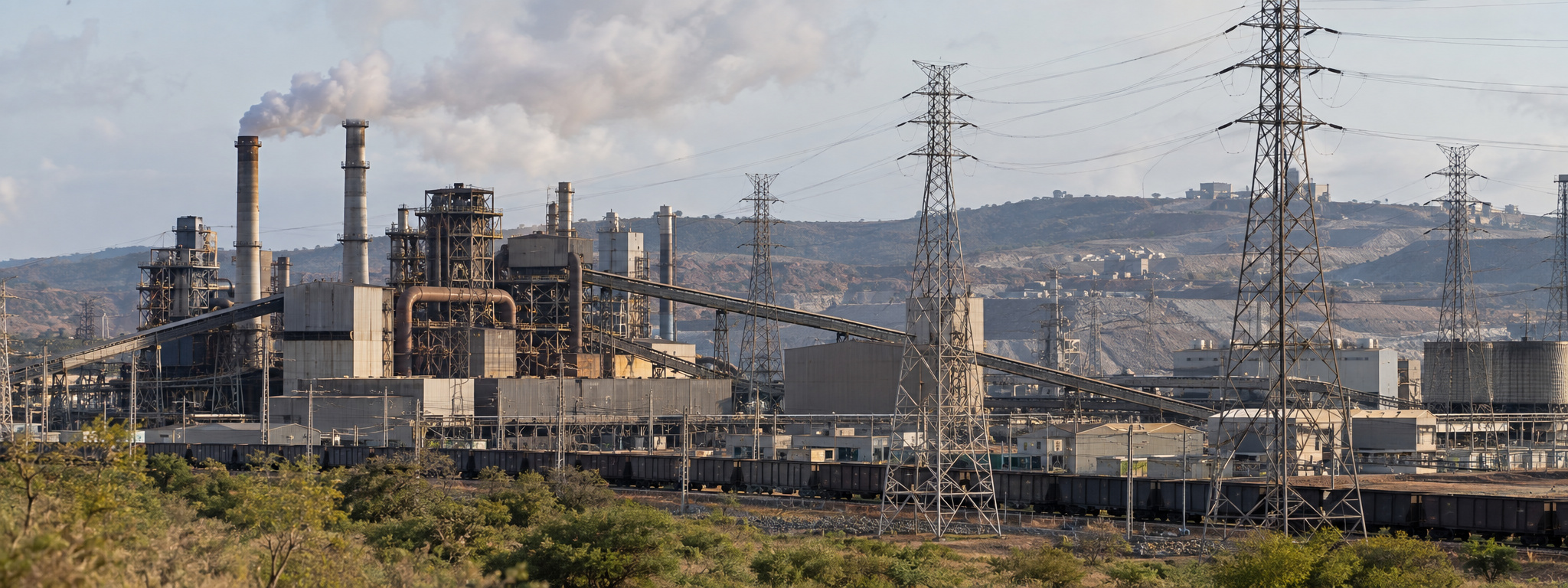
Rising electricity costs are forcing smelters to shut down across Africa. Can the energy transition succeed if industry cannot afford power?

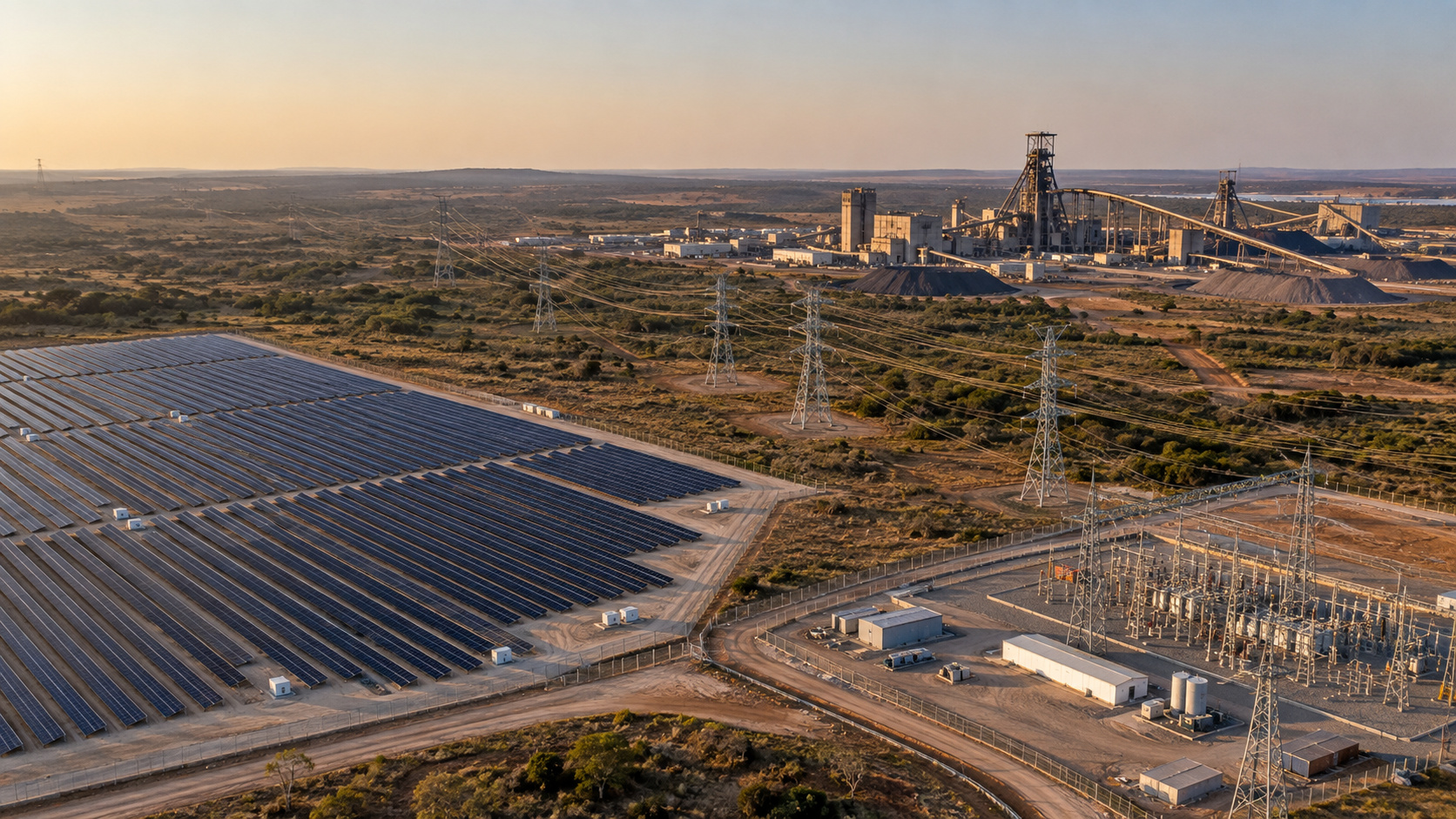
Africa wants to process its minerals locally, but high energy costs may stand in the way. Can beneficiation scale without affordable electricity?

Africa wants to process its critical minerals locally. But can beneficiation scale without reliable electricity? A deep analysis of the power constraint.