Africa Supplies the Minerals for the Clean Energy Future. Its Water Pays the Price
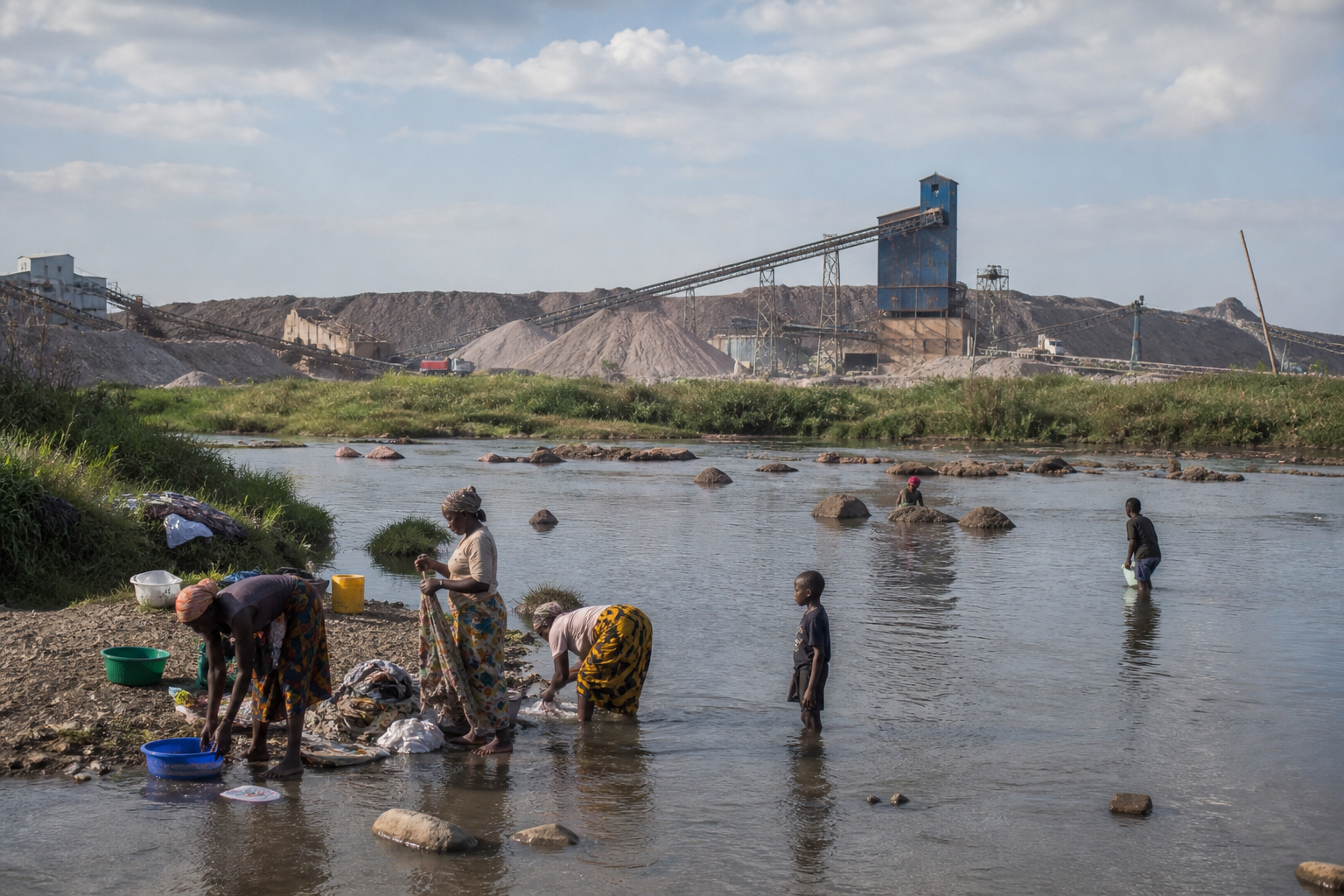
I want to start with a river.
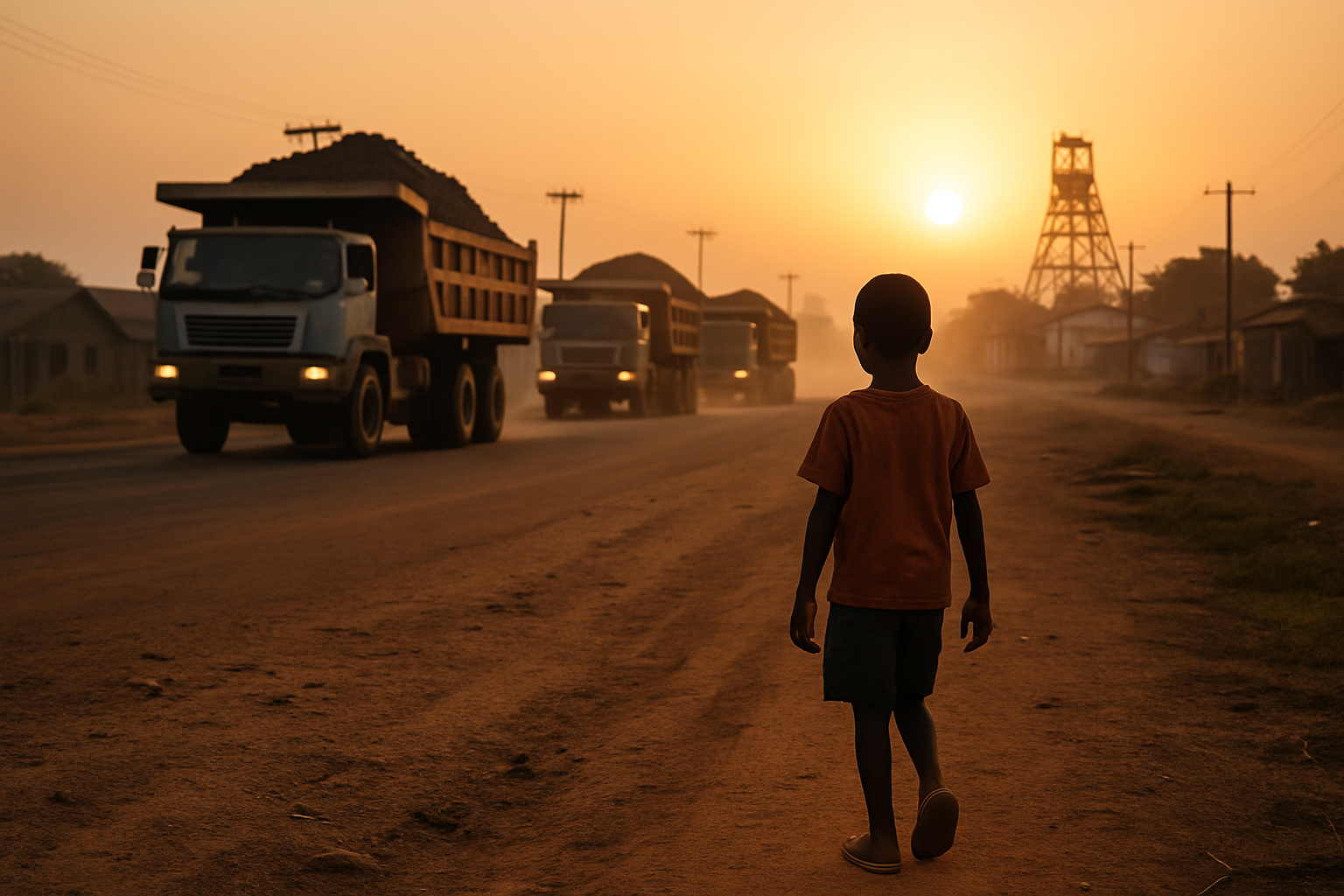
Not a specific river I can name here, but a type of scene I have encountered in different forms across mining communities on the continent. The water is still moving, children are nearby, someone is washing, and if you stand there long enough, someone will mention that the river has changed. Not in how it flows, it still moves in the same direction, over the same stones. But in what it carries, or no longer carries, or whether you can still eat the fish from it.
Nobody in those conversations uses the phrase "critical minerals" or mentions global supply chains. But the connection is there, running below the surface of every observation about what has shifted and what has been lost.
I thought about those conversations this week as I read the latest flagship report from the United Nations University Institute for Water, Environment and Health. The UNU-INWEH is the UN's think tank on water. Its findings are precise, and its data is authoritative, and what it has just documented, carefully, systematically, with sources, is something that communities across Africa's mining regions already know without having read it.
The numbers behind the river
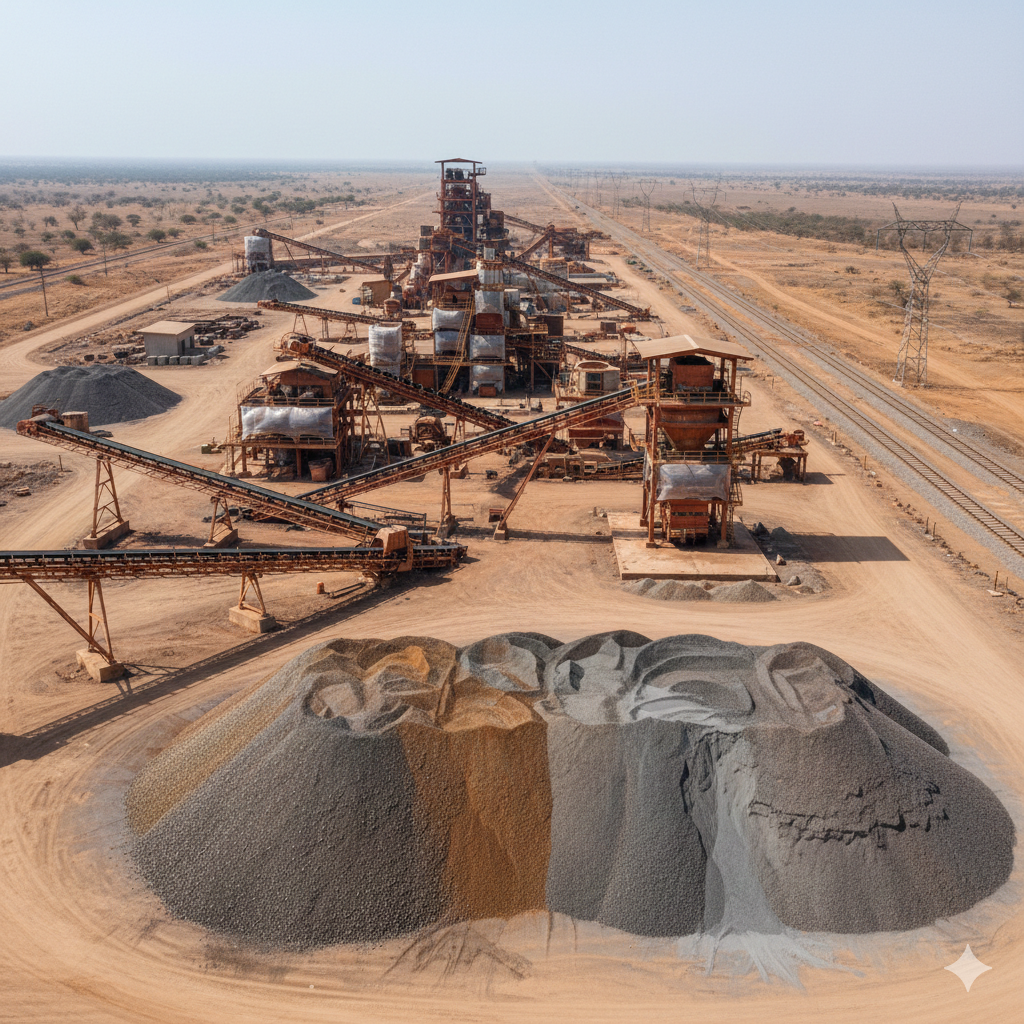
In 2024 alone, 456 billion litres of water were used to extract 240,000 tonnes of lithium globally. That isn't a figure from a projection or a model, but a measurement of what actually happened last year. At the same time, global rare-earth production generated 700 million tonnes of waste, enough, the researchers note, to fill 59 million bin lorries.
In the DRC's Lualaba province, the south-eastern mining belt that produces the cobalt in the battery of every electric vehicle built this year, rivers used for drinking, fishing, and irrigation are now contaminated with heavy metals. The contamination isn't localised or speculative. It is documented at a scale that affects how communities eat, how they farm, and whether their children are born healthy.
The report calls this an injustice. I think that is the right word. But I want to sit with what makes it an injustice rather than simply a consequence, because the distinction matters for how Africa positions itself in the conversations ahead.
The minerals are African. African communities bear the environmental cost, but the value, the battery, the electric vehicle, the renewable energy system, is realised by consumers in North America, Europe, and Asia who will almost certainly never stand beside one of those rivers. That isn't a natural outcome. It isn't the inevitable result of geography or geology. Still, the product of a system that was designed without those communities at the table, and that has not been redesigned since.
Demand is accelerating faster than the system can protect anyone
Global demand for transition minerals is projected to rise four to five times by 2050 relative to current levels. That figure isn't contested. It is the working assumption of every serious energy transition model, every battery manufacturing investment plan, every critical minerals strategy being drafted in Washington, Brussels, and Beijing right now.
What isn't in those models, or not weighted with the same urgency, is what that acceleration means for the communities sitting above the reserves. If 456 billion litres of water were consumed extracting lithium in 2024, what does a four-fold increase in lithium demand by 2050 mean for the aquifers and river systems in the communities that host those deposits? If Lualaba province is already experiencing widespread contamination at current extraction rates, what does it look like at twice the pace?
The UNU-INWEH report makes a point that deserves to be taken seriously by everyone involved in designing Africa's minerals strategy: voluntary frameworks haven't worked. Corporate sustainability commitments, ESG reporting, and due diligence guidelines have generated transparency in some cases and genuine awareness in others. But they haven't fundamentally changed the distribution of risk. The communities bearing the environmental cost of extraction are not better protected today than they were a decade ago, despite a decade of voluntary commitments. The report calls for binding global standards. Not optional, nor aspirational. Binding.
I think that is correct. But I also think it places the primary burden of responsibility on the global governance architecture, and I am not willing to wait for that architecture to develop before asking what Africa is doing with the leverage it currently holds.
The question Africa is not asking loudly enough
Africa holds approximately 30 percent of the world's critical mineral reserves. That figure has been rehearsed in every policy forum and investment summit for the past three years. It is cited as the foundation of the continent's strategic moment, the reason Africa matters in the energy transition, the basis for the export restriction strategies, the Lobito Corridor investments, and bilateral mineral diplomacy with the EU, the United States, and China.
What is cited far less often is that the communities hosting those reserves are bearing costs that don't appear in any of those strategic frameworks.
When I think about what a serious minerals strategy for Africa looks like, one that goes beyond leverage arguments about export bans and processing requirements, I think it has to include water as a first-order concern. Not as an environmental compliance checkbox, but a precondition of whether mining is permitted to proceed, at what pace, under what regulatory framework, and with what binding guarantees for the communities whose water systems are at risk.
This isn't an argument against extraction. Africa's minerals are going to be extracted; the global demand trajectory makes that an economic and geopolitical certainty, regardless of what any African government decides. The argument is about the terms. And water should be among the most fundamental of those terms. An extraction agreement that doesn't include binding commitments on water quality monitoring, community health protections, and remediation obligations for contamination is an incomplete agreement, regardless of what the royalty rate says.
What the transition is actually being tested on
The energy transition is described, almost universally, as a shift away from fossil fuels. That framing is correct but narrow. What is actually being tested, and will determine whether the transition produces a genuinely different world or simply redistributes harm in new directions, is whether the system that extracts the materials for clean energy is designed with the same care as the system that produces the clean energy itself.
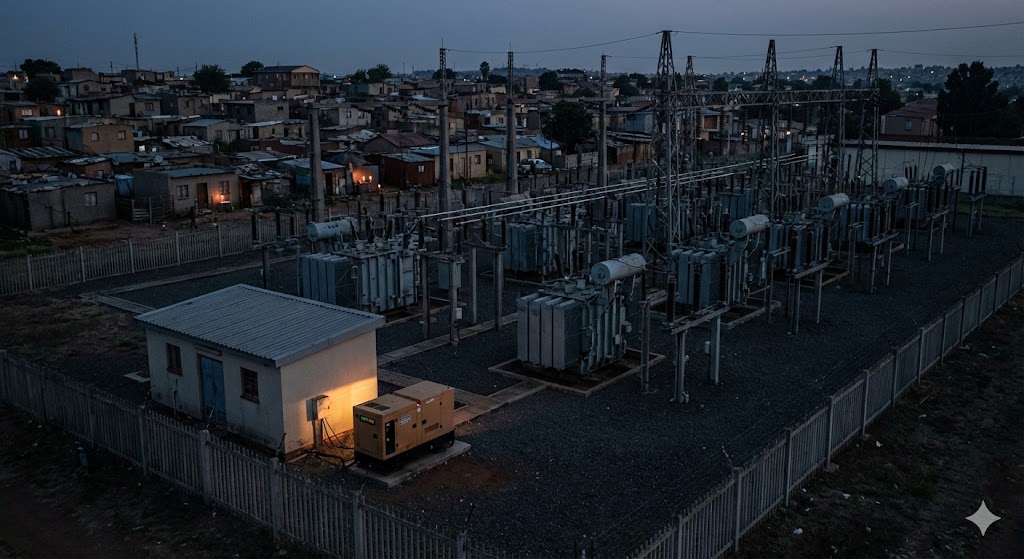
Right now, it isn't. The solar panel is designed for efficiency, longevity, and cost competitiveness. The mining operation that produces the cobalt in its battery is operating in a governance environment that is decades behind: voluntary standards, weak enforcement, and communities with no seat at the negotiating table and no binding protections for the water they depend on.
I keep returning to that river because it is the simplest way I know to name what is at stake. Not in gigawatts or extraction volumes or export revenues, but in whether the people living beside the mine can still drink the water, eat the fish, and grow food in soil that isn't contaminated. Those aren't peripheral questions. They are the test.
A clean energy future built on poisoned water is not clean. It has simply moved the poison.
Africa has a specific and time-limited opportunity to be the place where that test is answered differently, where the extraction terms include binding water protections, communities have enforceable rights, and where the transition's costs aren't simply relocated from one set of vulnerable people to another. The UNU-INWEH report has documented what is at stake with precision and authority. The question is whether the people making decisions about Africa's minerals strategy are reading it.
I think they should be.