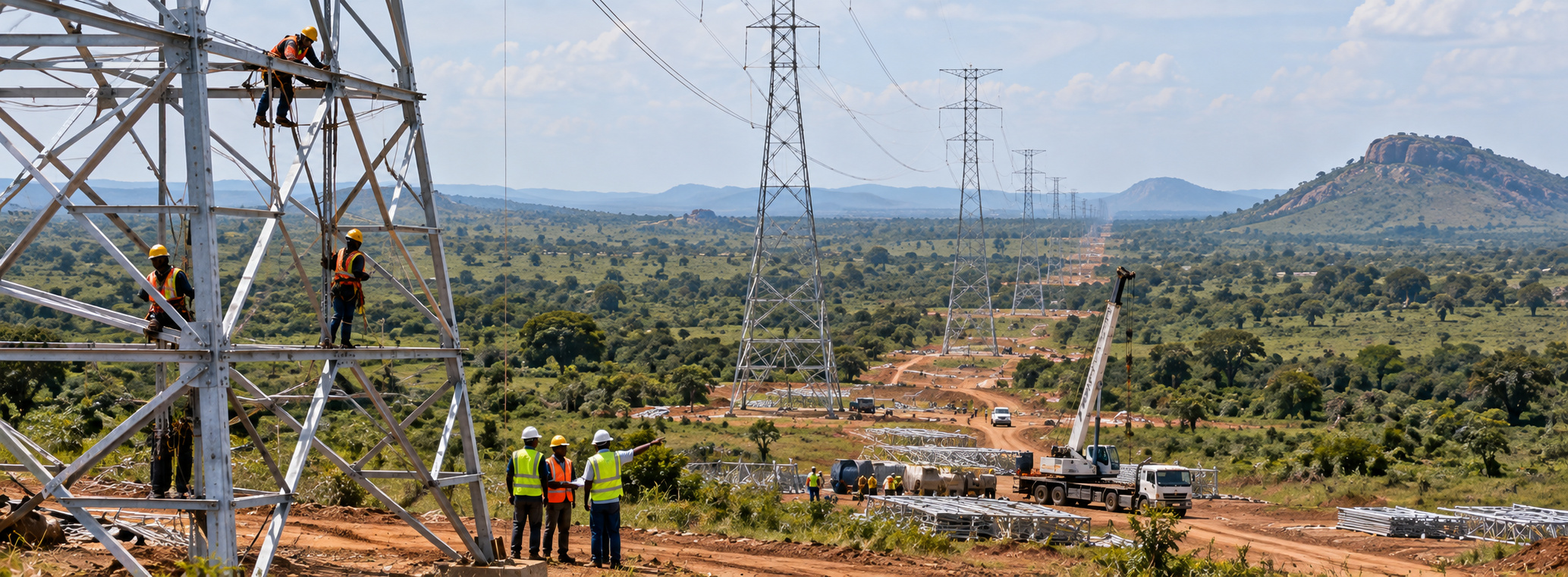
South Africa is unbundling Eskom. Nigeria has split regulation across 17 states. Both are also deepening regional power trade at the same time. ETA explains why these two reforms cannot both succeed on the same terms.
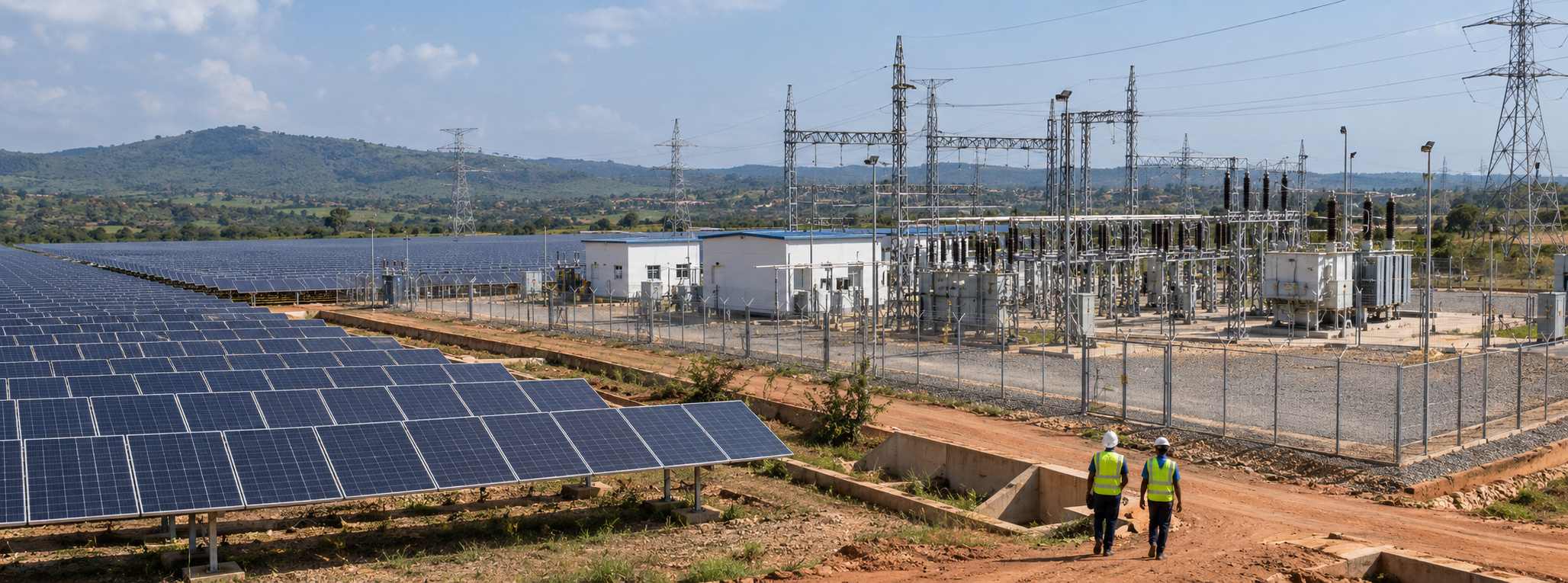
Ghana has authorised 12.7 MtCO2e in carbon credits under Article 6. ETA explains ITMOs, the July 2026 renewable electricity methodology, and whether the revenue can actually get an African power project to financial close.
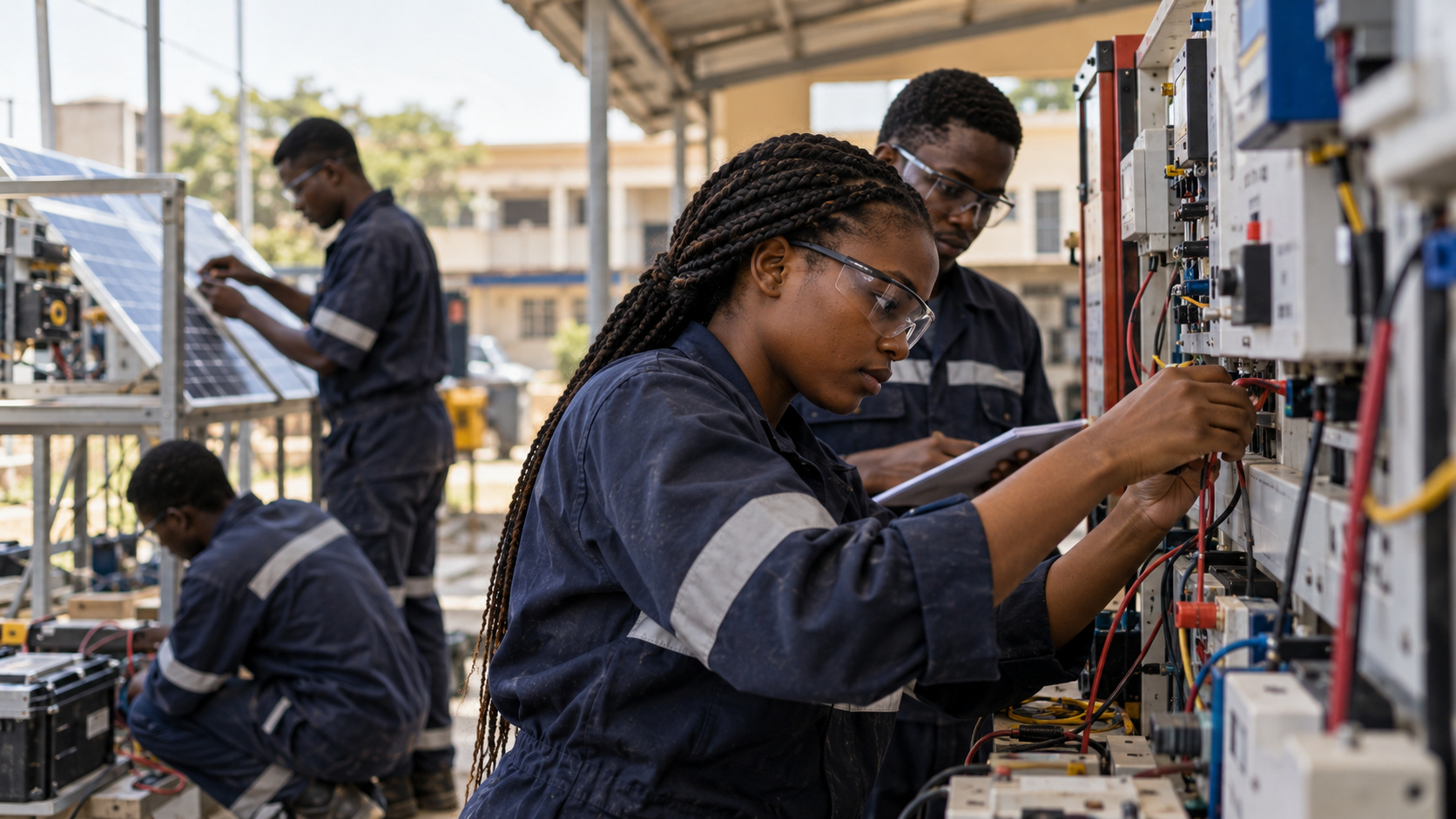
Canada, the UK, the EU and Australia are all naming the workforce their energy transitions will need before the infrastructure arrives. Vincent Egoro asks why Africa, with the world's deepest energy deficits, isn't yet having the same conversation.
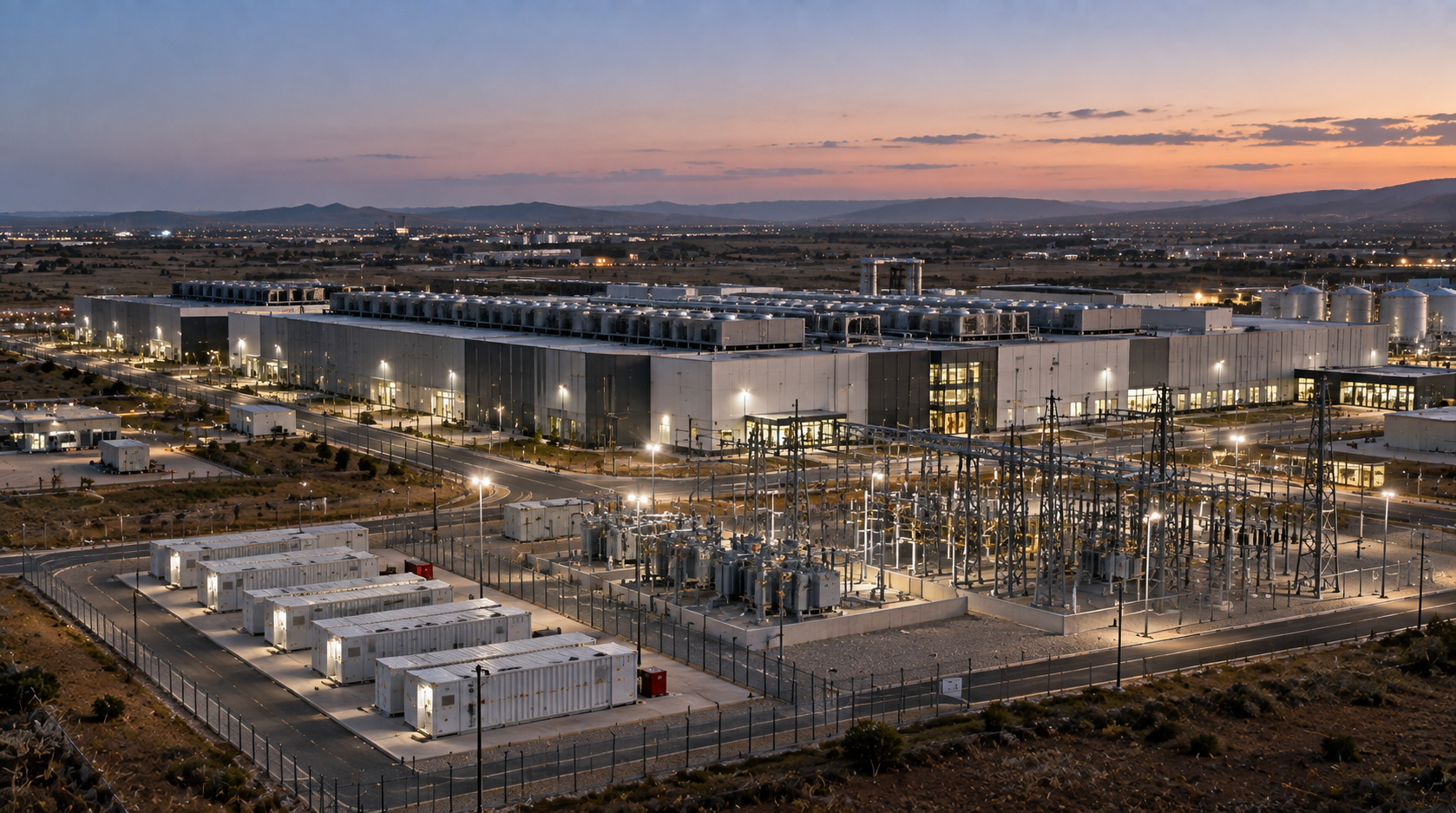
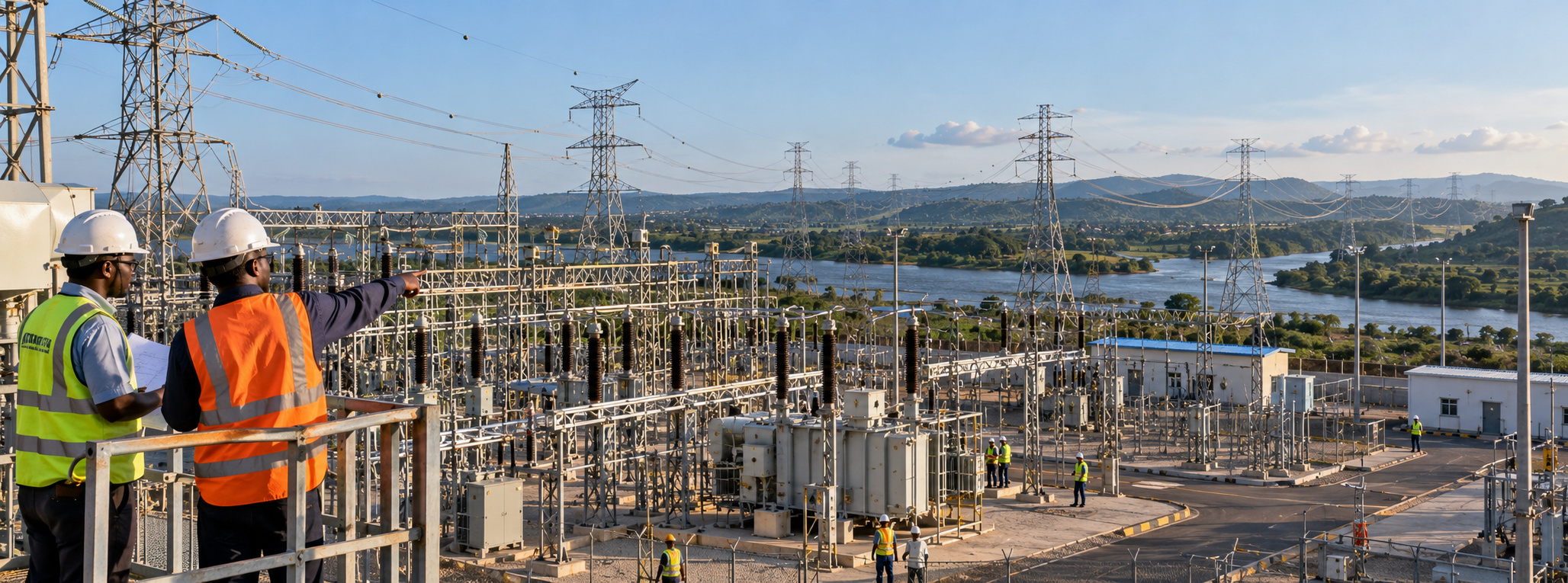
Africa is attracting major digital infrastructure investment. ETA examines the four emerging models for financing the generation, storage and grid capacity required to power it.
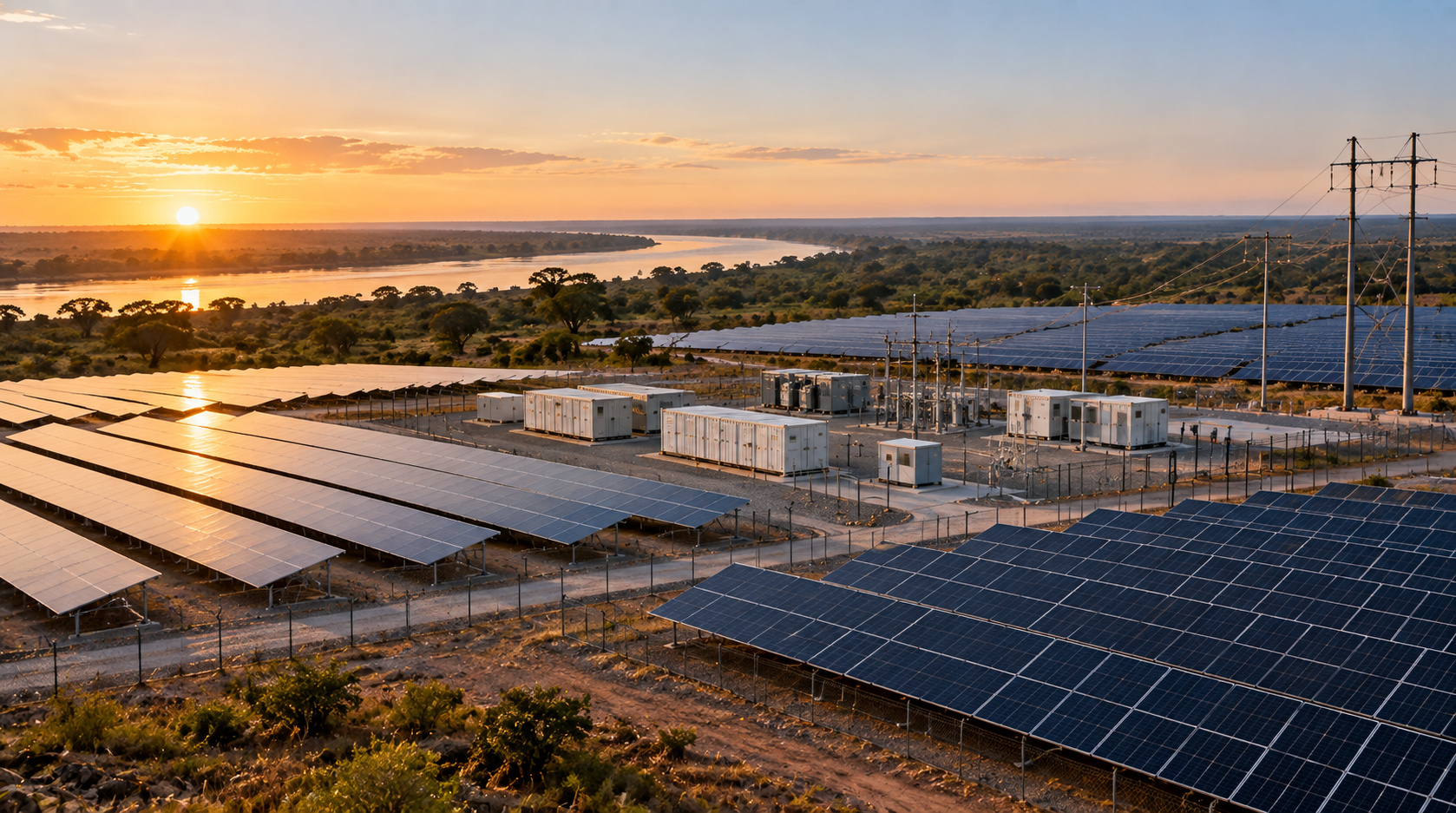
Less than 10% of African energy projects reach financial close. Zambia's Ilute Solar Project did, without a sovereign guarantee. ETA explains the eight-stage sequence through the deal that cleared it.
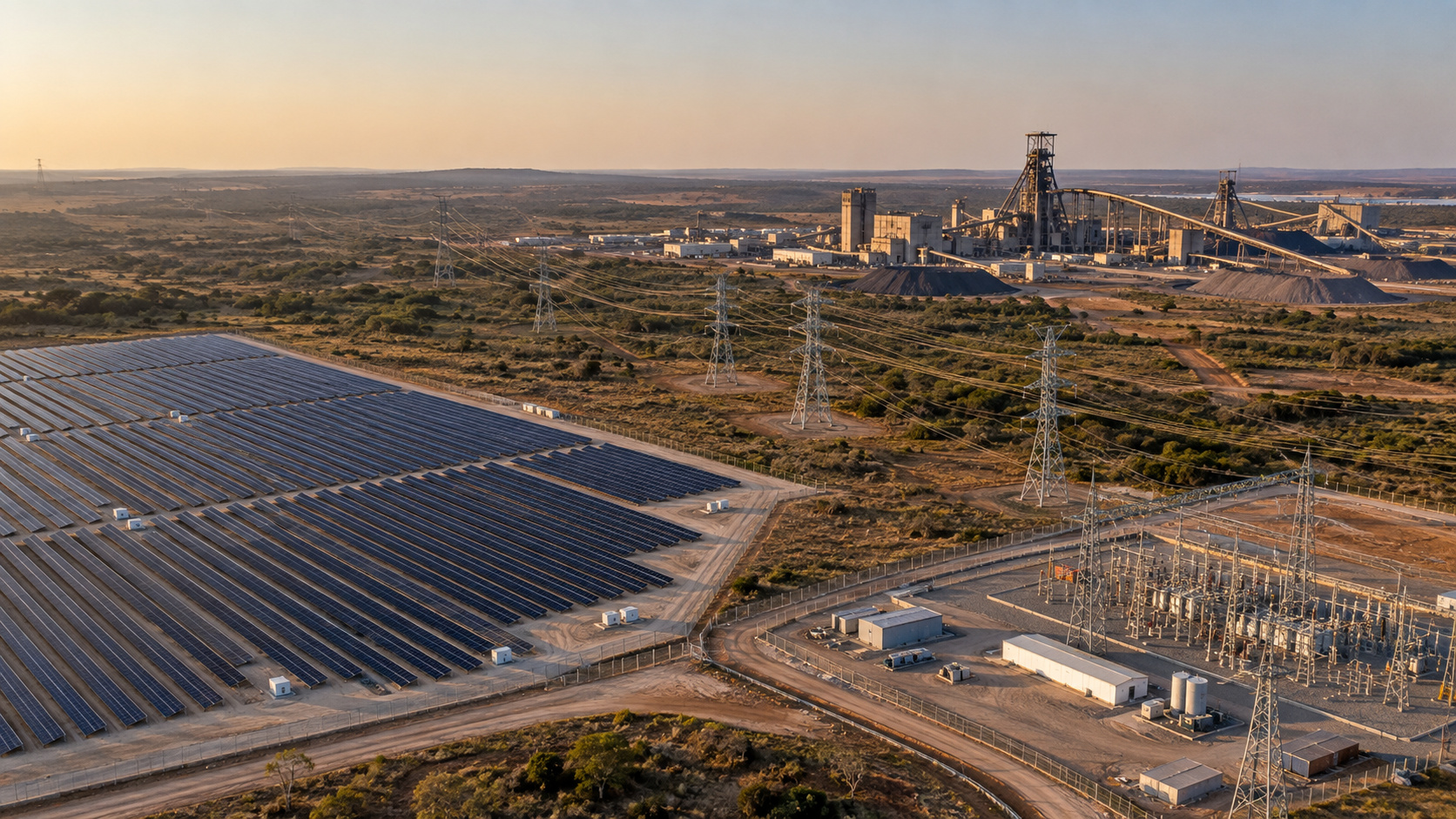
Zambia's open-access electricity reforms let copper mines contract private power directly, bypassing the state utility ZESCO. ETA examines what that means for the households left behind.
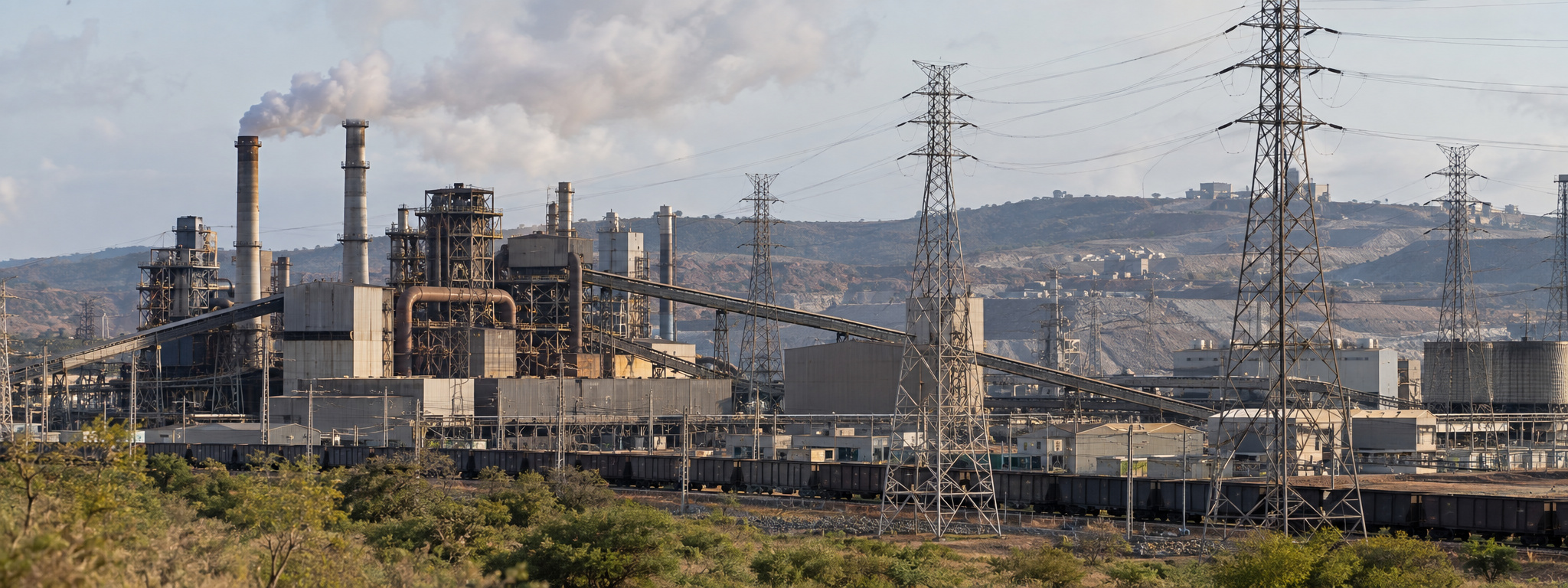
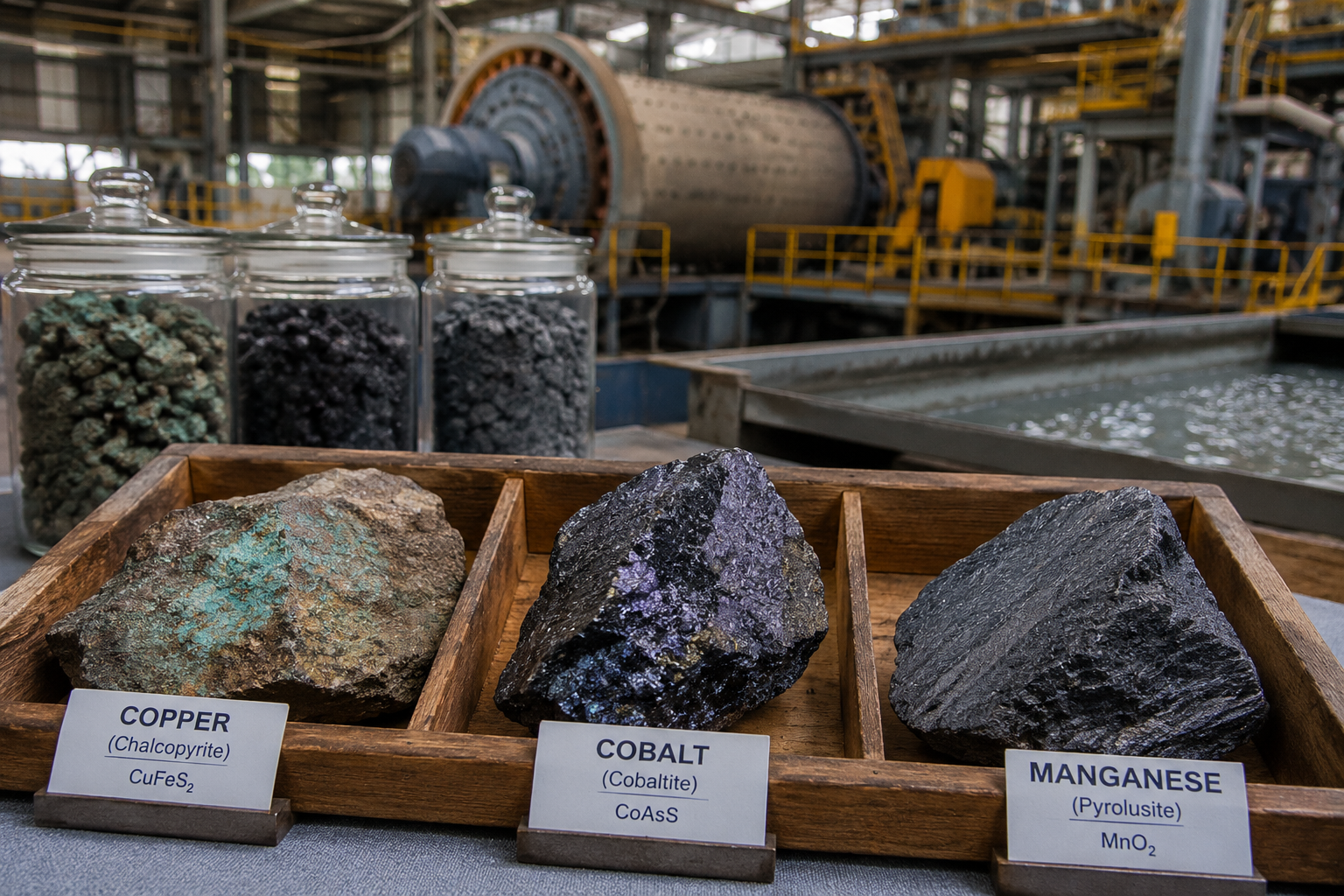
Copper, cobalt, manganese, graphite, lithium, and platinum group metals all power clean energy. Africa holds major reserves of each. ETA explains which minerals matter, why, and where Africa sits in each supply chain.
Read Full Story→