All Articles
Explore our latest insights and analysis
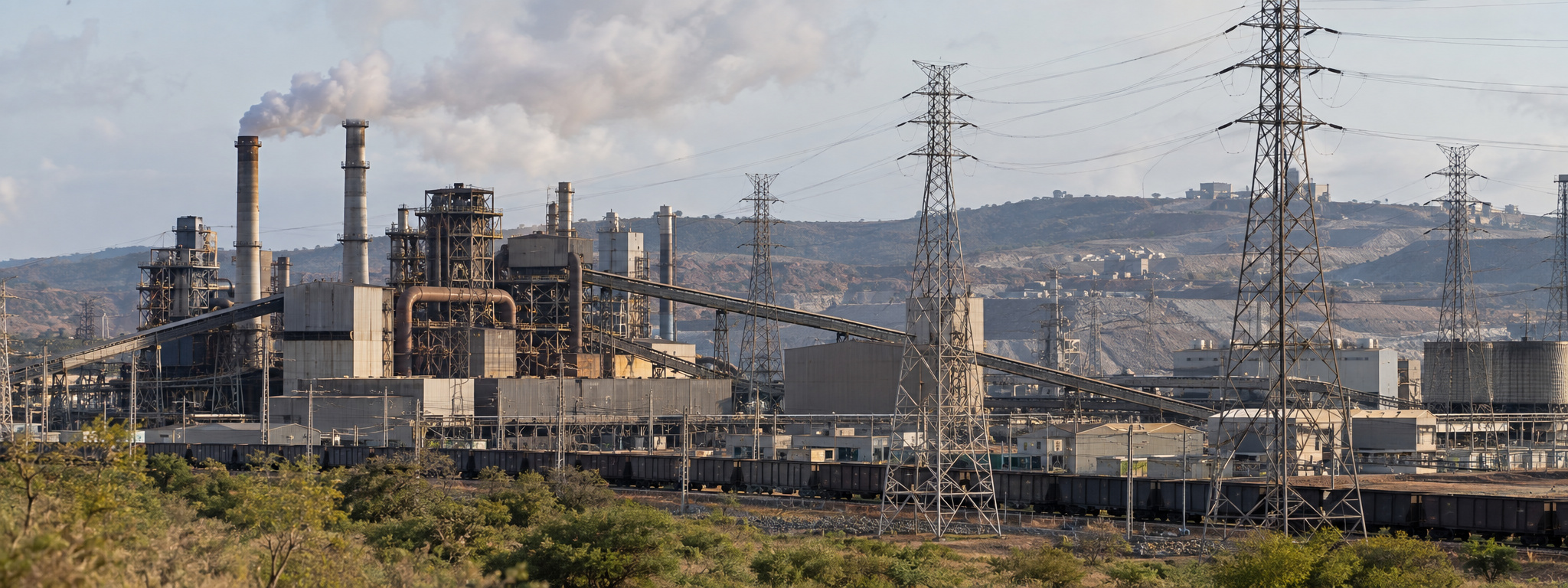
South Africa Cuts Power Prices for Smelters. Who Pays?
South Africa's draft electricity pricing policy commits to cheaper power for smelters and more support for poor households. Neither commitment says who pays as Eskom's grid sales keep falling. ETA examines the gap.
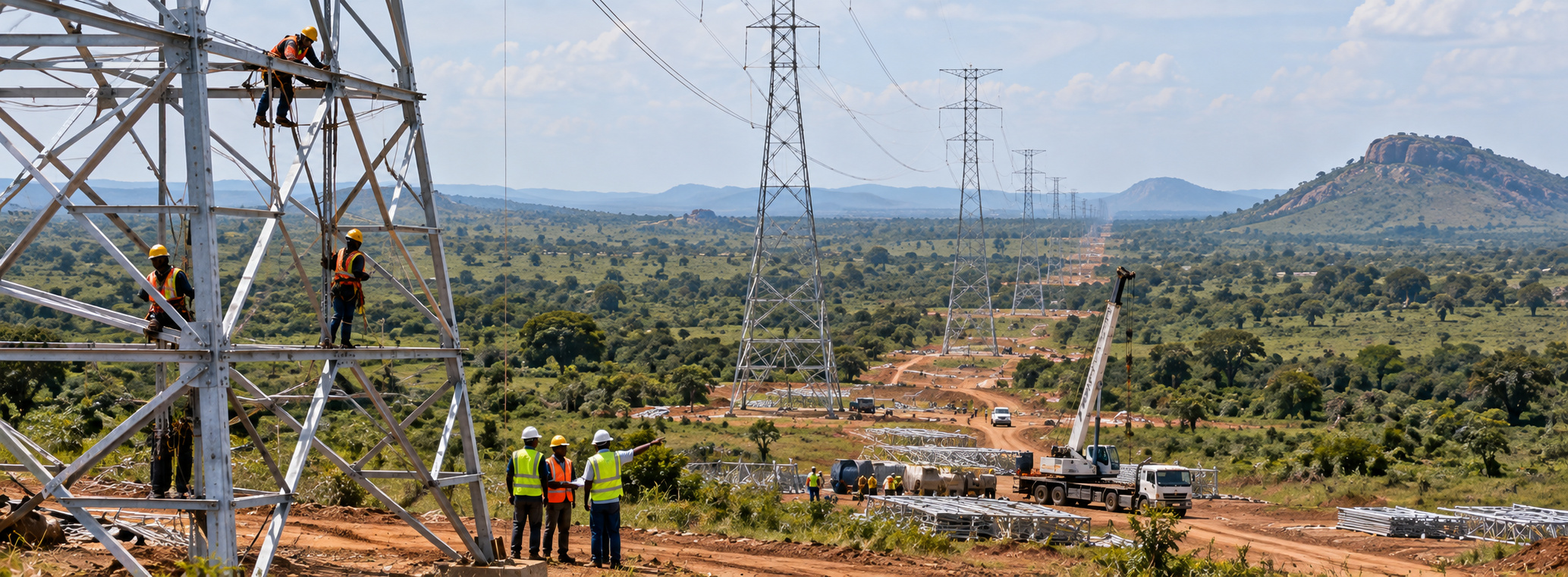
Uganda Borrows to Sell Power. Can South Sudan Pay?
Uganda carries a $119 million loan to build a power line to South Sudan, whose civil servants are owed up to 13 months of salary. ETA examines who actually carries the risk if the buyer cannot pay.
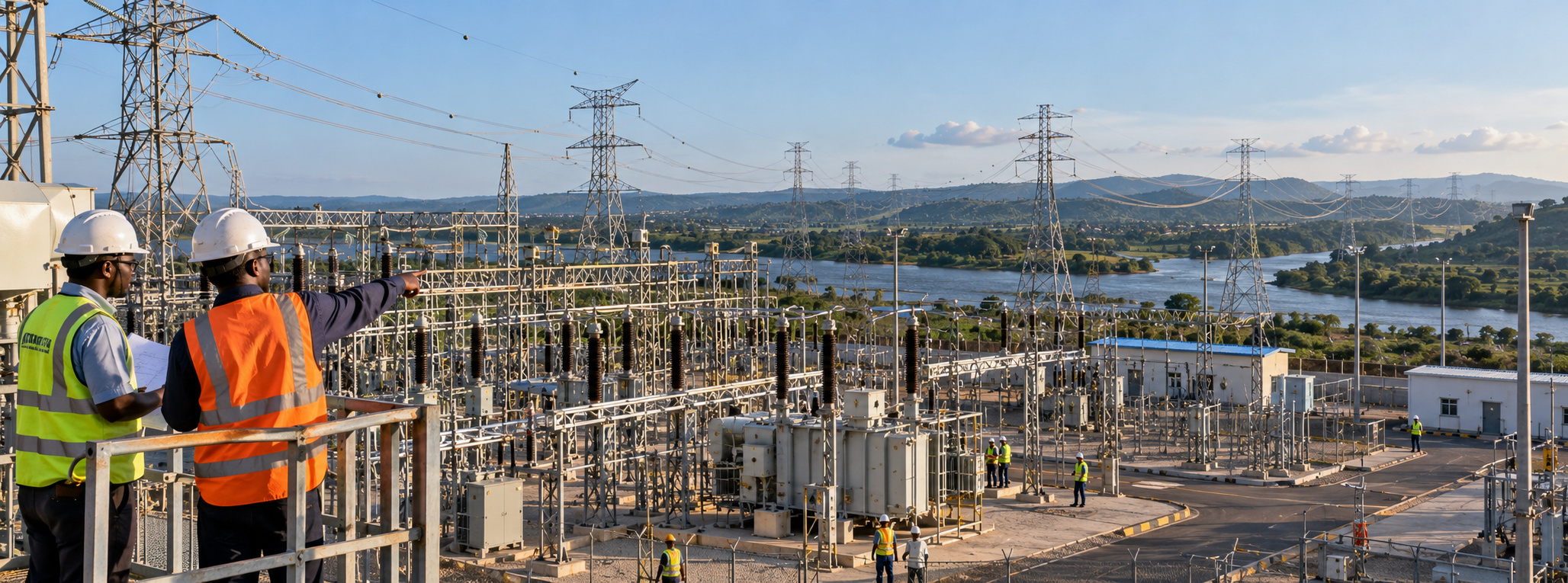
Africa Is Building Two Incompatible Power Systems
South Africa is unbundling Eskom. Nigeria has split regulation across 17 states. Both are also deepening regional power trade at the same time. ETA explains why these two reforms cannot both succeed on the same terms.
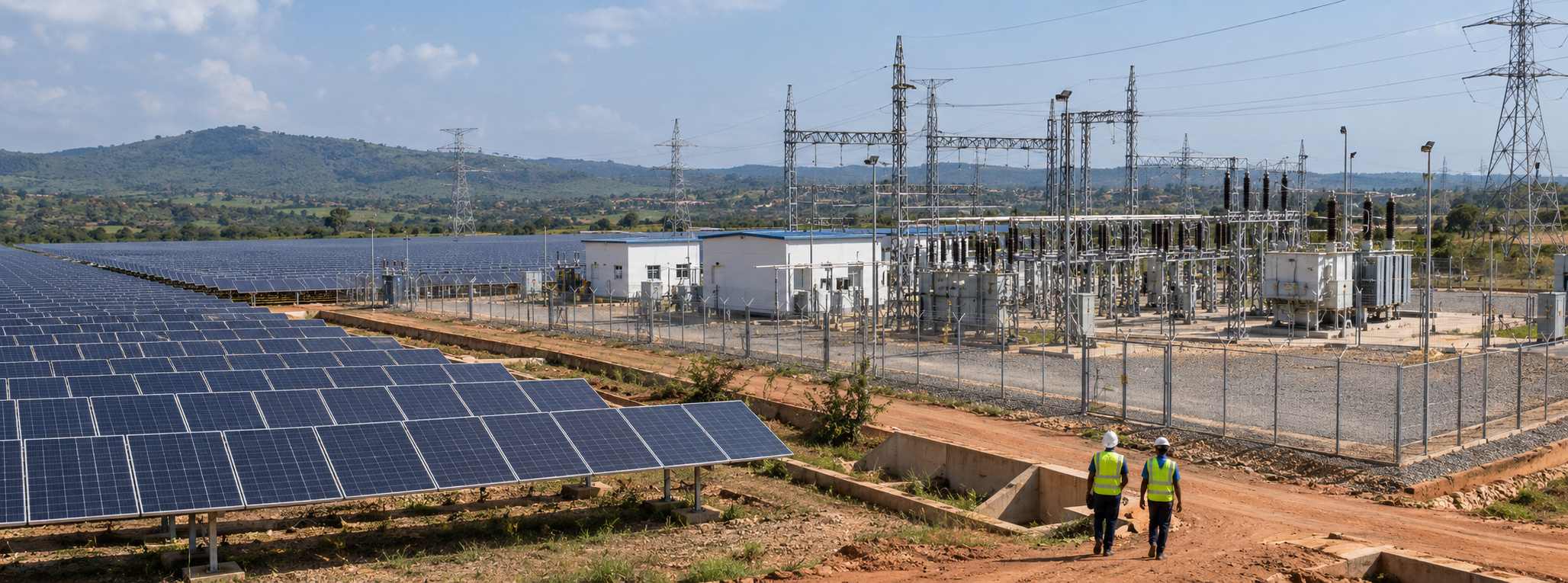
Does Article 6 Really Make African Power Projects Bankable?
Ghana has authorised 12.7 MtCO2e in carbon credits under Article 6. ETA explains ITMOs, the July 2026 renewable electricity methodology, and whether the revenue can actually get an African power project to financial close.
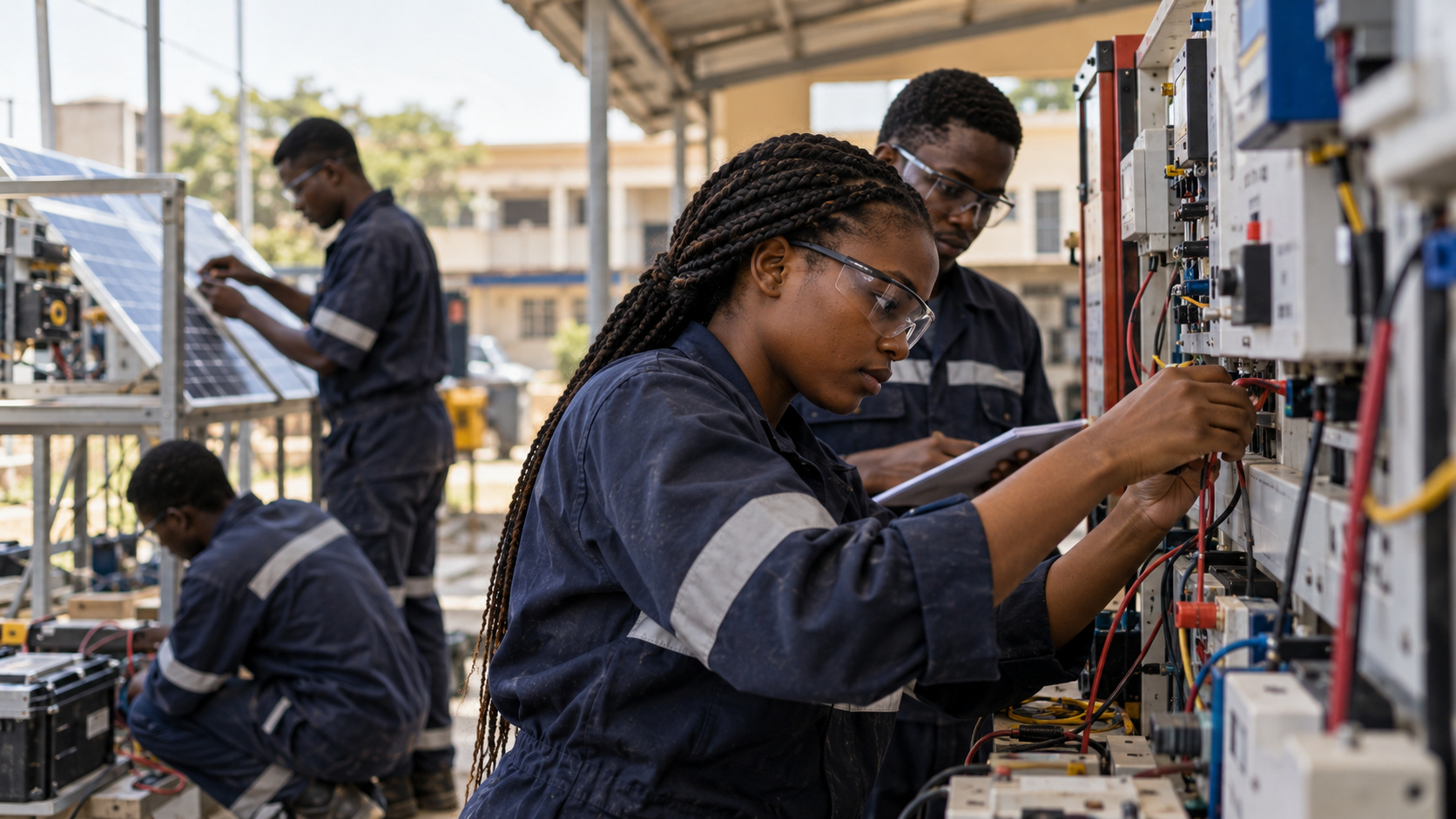
Why Isn't Africa Talking About Energy Transition Skills?
Canada, the UK, the EU and Australia are all naming the workforce their energy transitions will need before the infrastructure arrives. Vincent Egoro asks why Africa, with the world's deepest energy deficits, isn't yet having the same conversation.
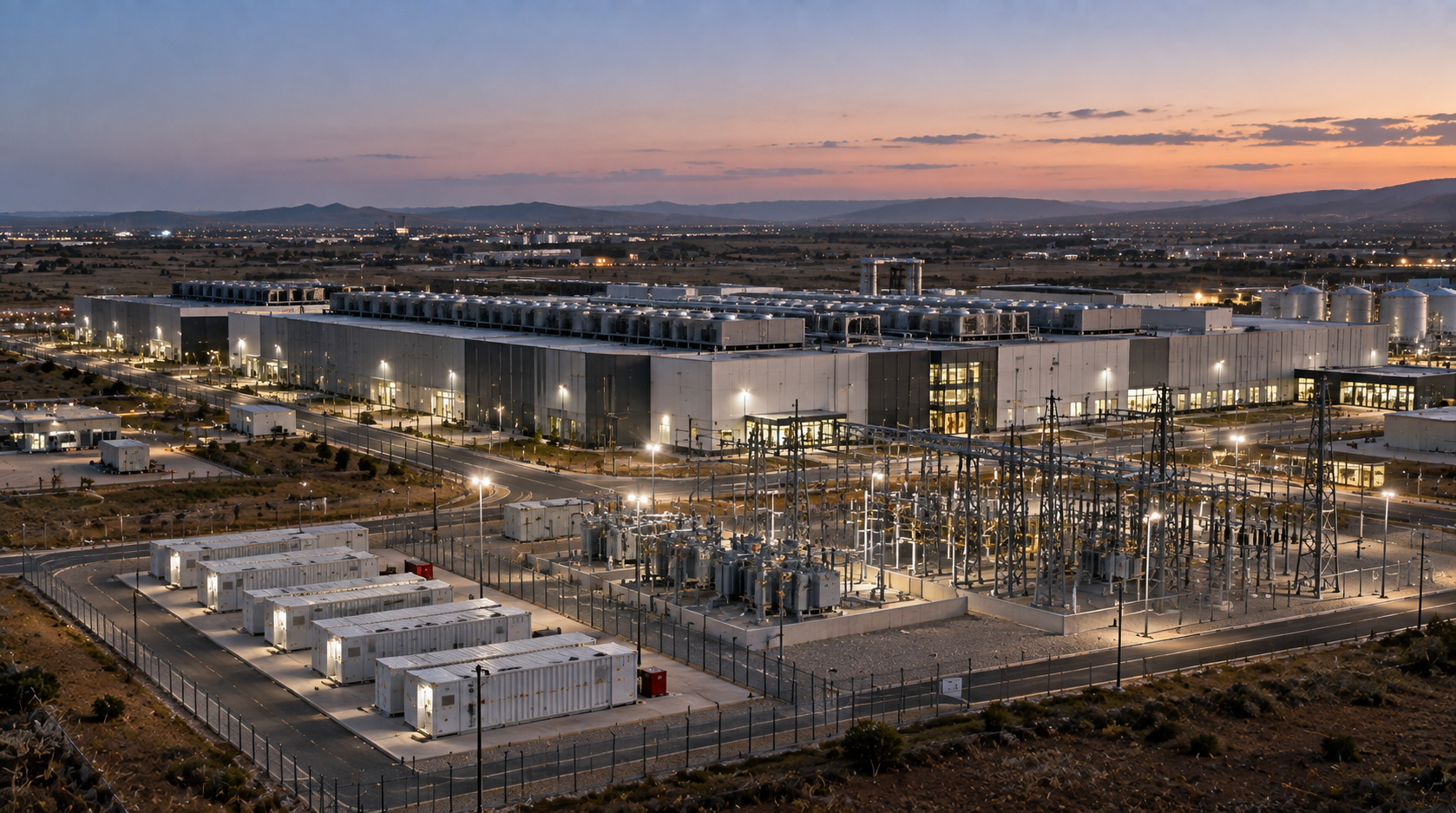
Who Will Finance the Power Behind Africa's Digital Economy?
Africa is attracting major digital infrastructure investment. ETA examines the four emerging models for financing the generation, storage and grid capacity required to power it.
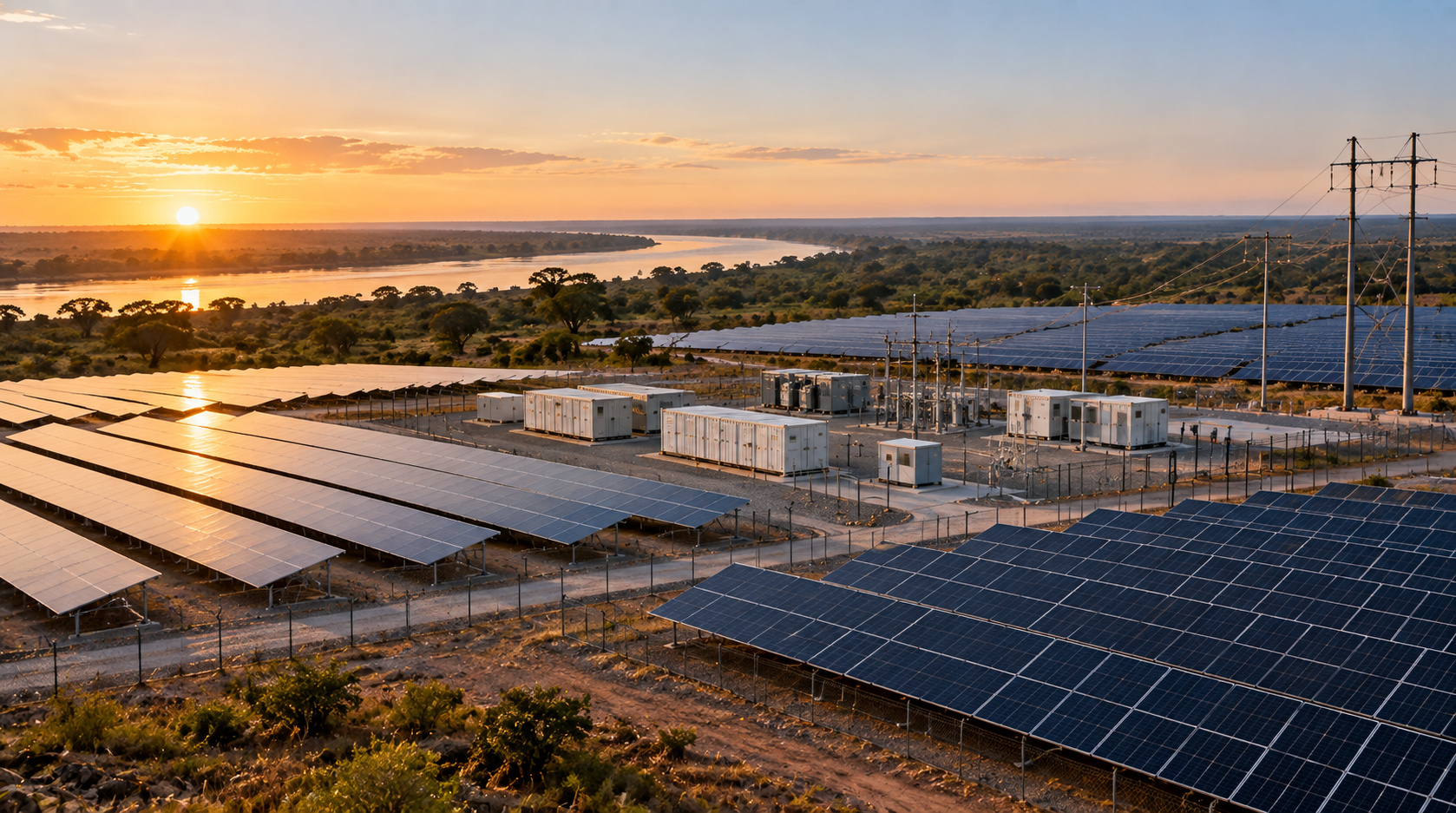
How African Energy Projects Actually Reach Financial Close
Less than 10% of African energy projects reach financial close. Zambia's Ilute Solar Project did, without a sovereign guarantee. ETA explains the eight-stage sequence through the deal that cleared it.
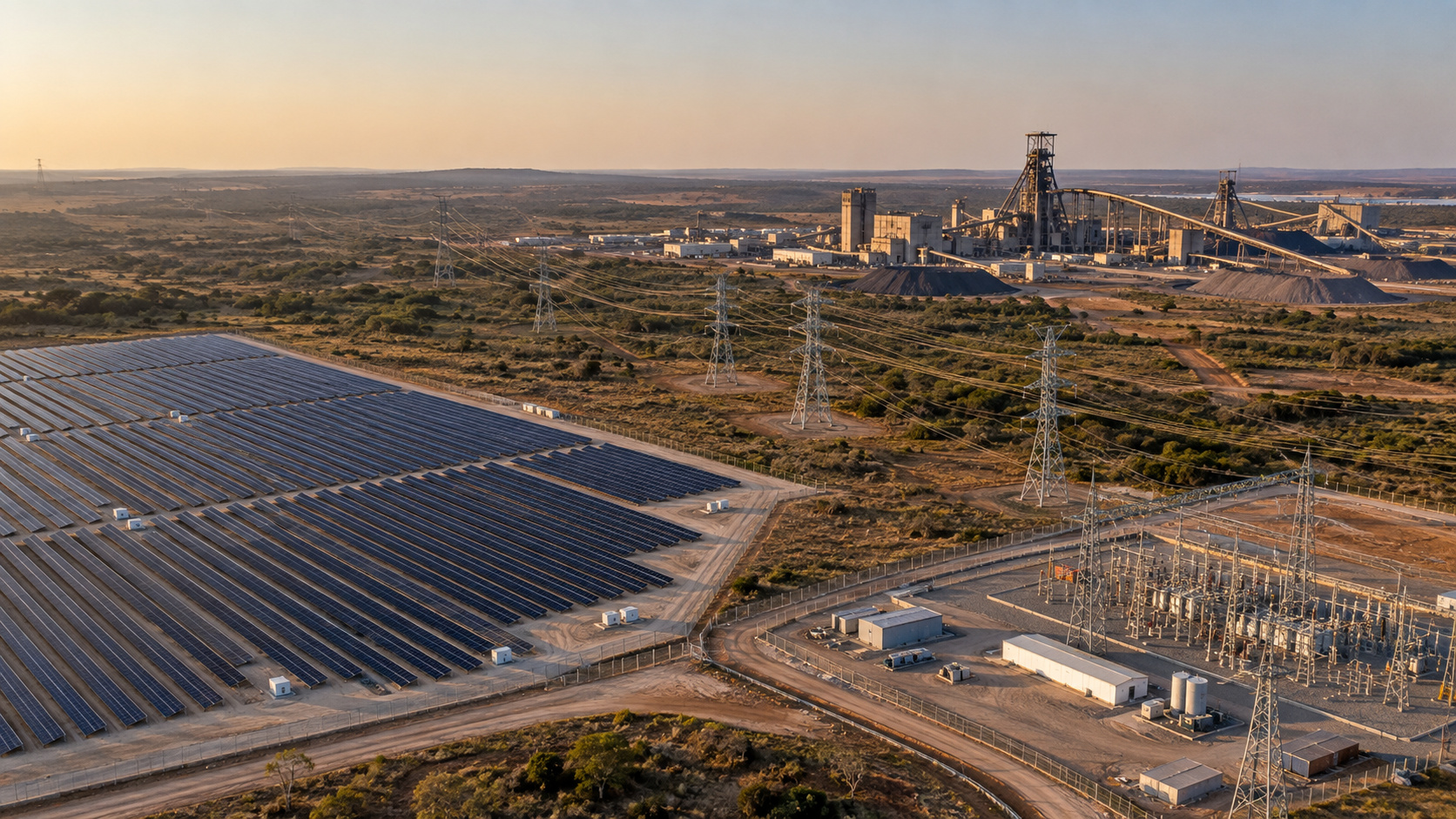
Zambia's Electricity Market Is Being Rebuilt Around Copper Mines
Zambia's open-access electricity reforms let copper mines contract private power directly, bypassing the state utility ZESCO. ETA examines what that means for the households left behind.
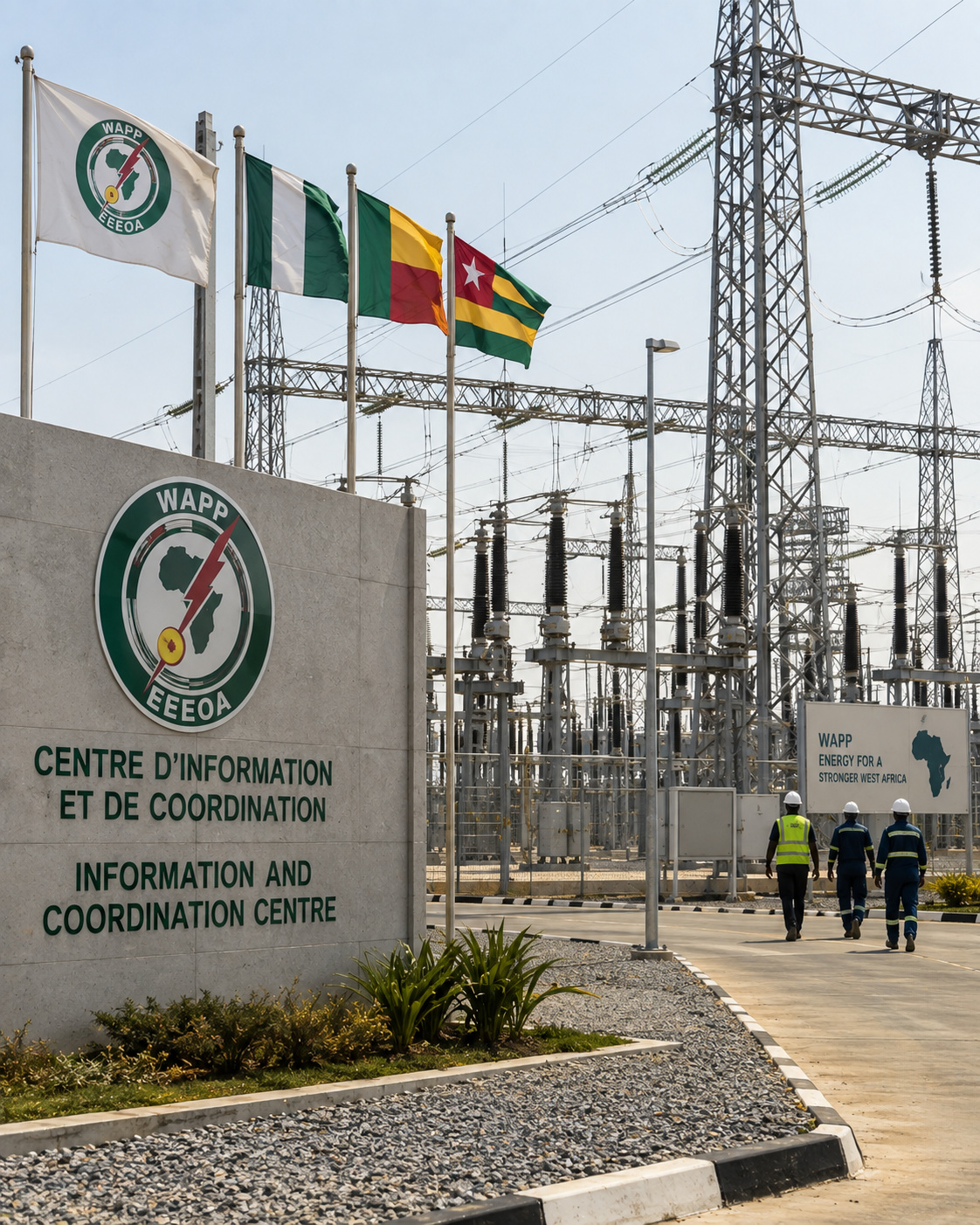
West Africa Has Payment Rules for Electricity. They Keep Failing.
West Africa has formal rules requiring guarantees and sanctions for cross-border electricity non-payment. Benin, Togo and Niger keep defaulting anyway. ETA explains why the rules aren't enough.

How Much Electricity Would an African AI Economy Actually Need?
Africa's data centres consume under 1 kWh per capita. The US consumes 540. Vincent Egoro does the arithmetic on what an African AI economy would actually require, and what it would cost to build the electricity underneath it.
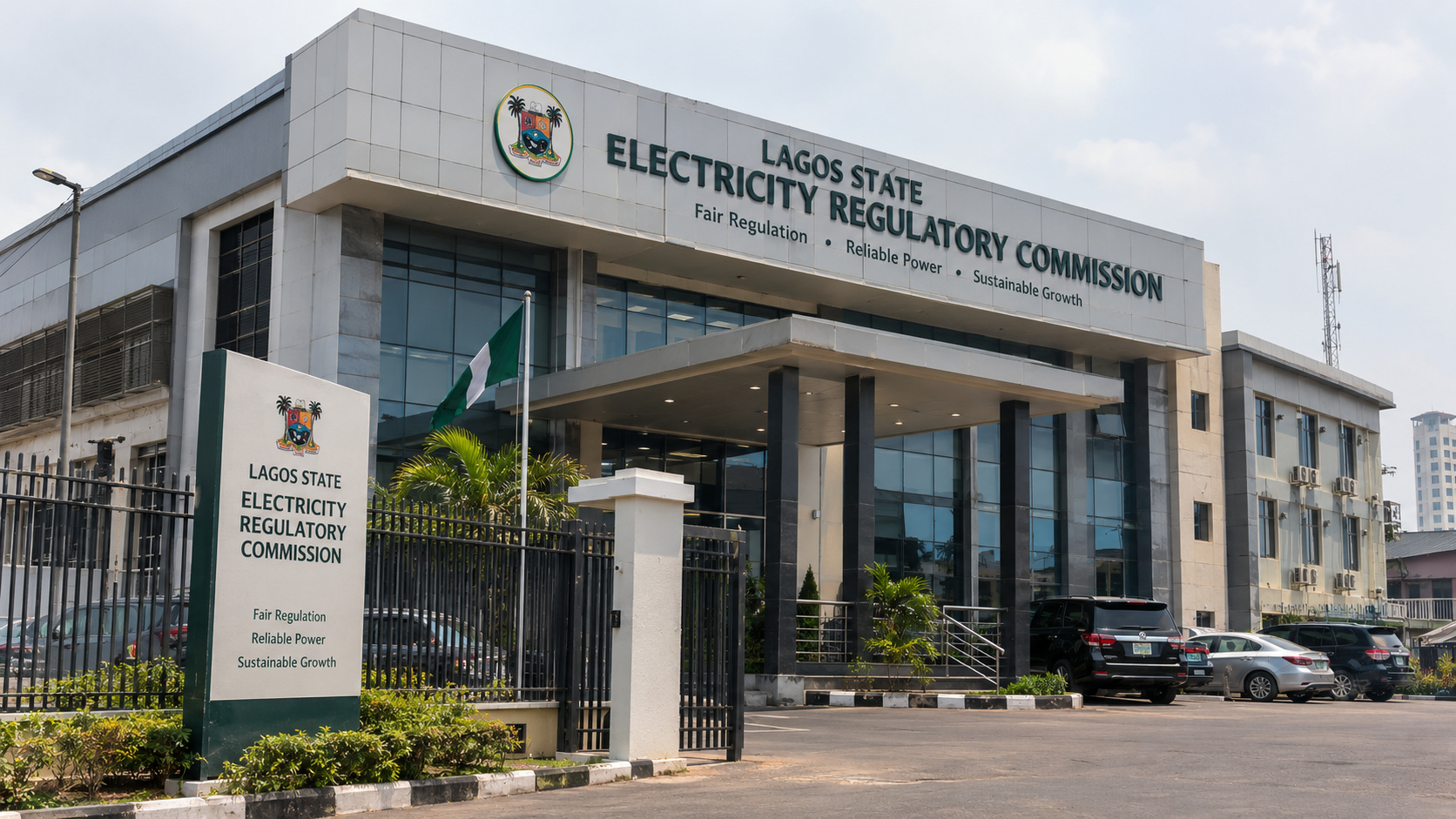
Nigeria Split Electricity Regulation Across 17 States. The Grid Is Still National.
Nigeria has transferred electricity regulation to 17 state commissions. A real tariff dispute in Enugu shows exactly where state authority meets the still-federal national grid. ETA analyses the mechanism.
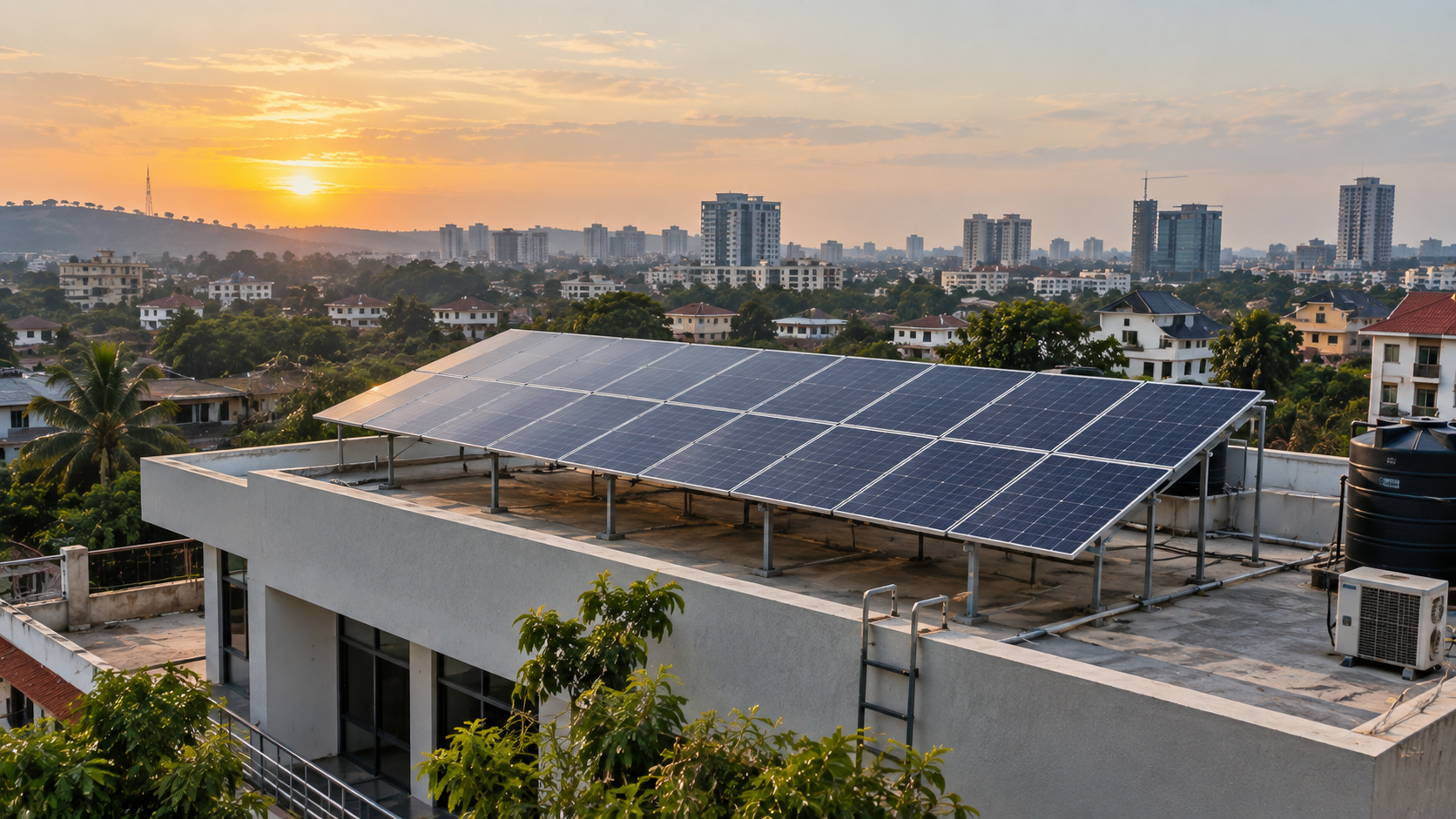
Africa's Solar Boom Is Twice as Big as Anyone Knows
Ember finds Africa installed 12 GW of solar in 2025, twice the IEA's figure. The Global Solar Council independently found the same blind spot. ETA analyses both reports.