Africa's $5 Trillion Renewable Energy Shift: Will Sub-Saharan Communities Reap the Rewards?
When Power Shift Africa released its recent report estimating that Africa could save as much as $5 trillion by transitioning fully to renewable energy by 2050, the headlines wrote themselves.
"Africa's $5 Trillion Energy Prize," some outlets proclaimed, framing it as a clear path to prosperity.
But beneath the eye-popping numbers lies a more complicated, more personal story.
For millions of people in Sub-Saharan Africa, the energy transition is not about trillion-dollar savings or net-zero targets. It is about a simple, urgent question:
Will we feel the benefits?
Behind the Headlines: The Human Face of the Transition
The report’s findings are undeniably ambitious. By shifting away from fossil fuels toward wind, solar, and other renewables, Africa could cut energy costs by trillions, reduce emissions, and create more than 2 million energy sector jobs.
Yet one couldn’t help but wonder: Where will those jobs emerge?
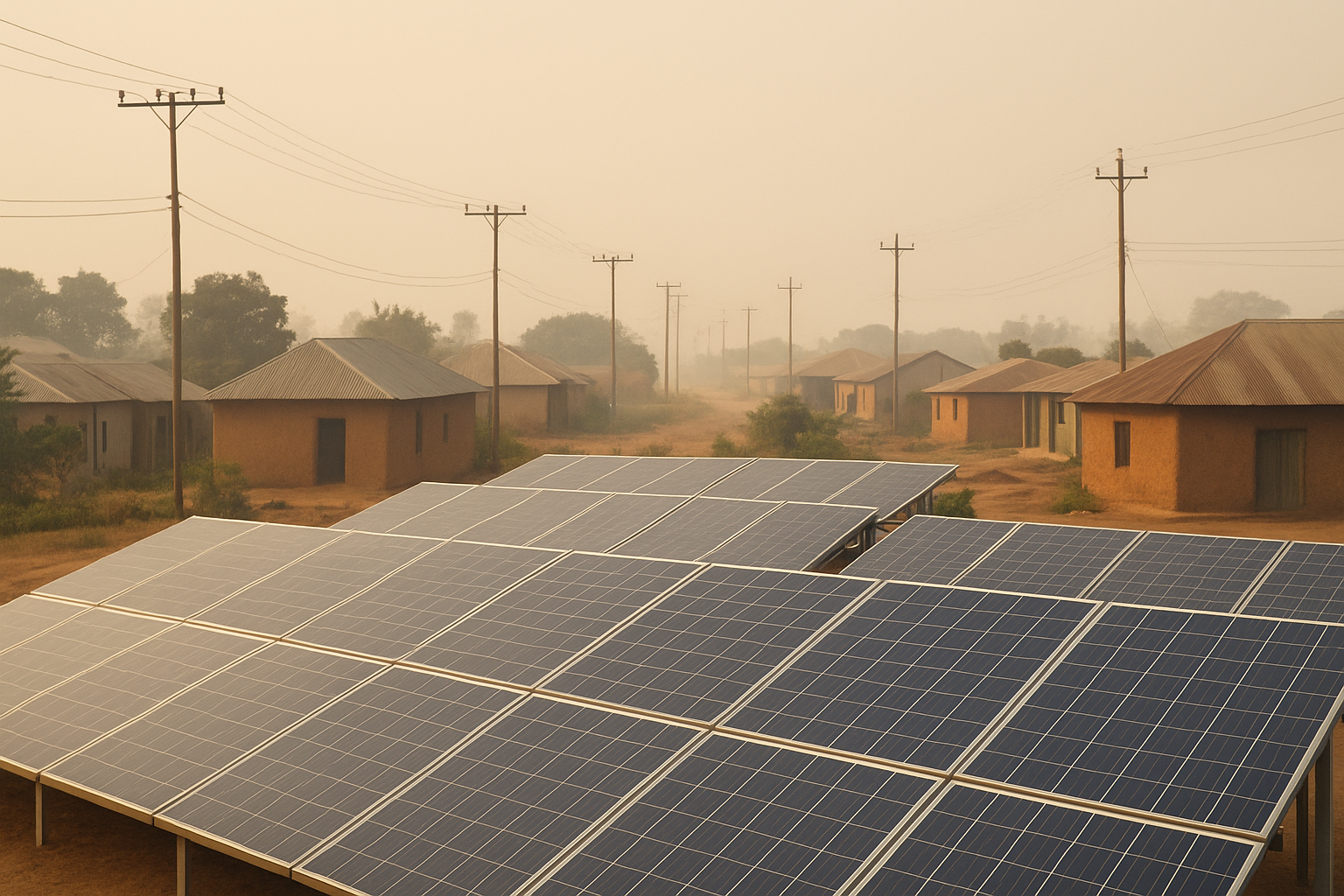
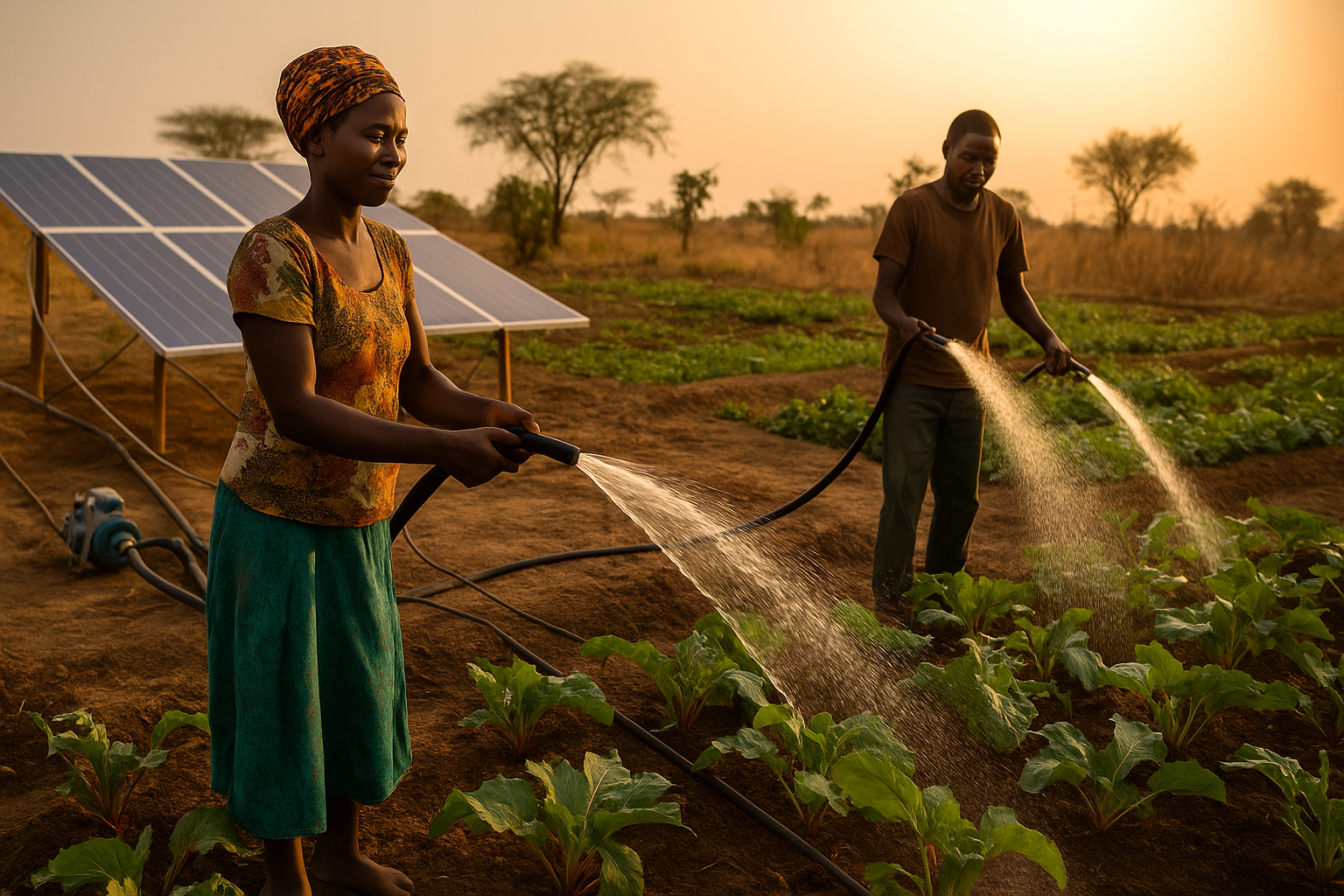
For many in rural Nigeria, Mali, or Ethiopia, the energy transition is not about trillion-dollar forecasts. It is about whether they will finally have electricity to pump water, run small businesses, or refrigerate food.
Jobs: Who Gets Them, and Where?
Power Shift Africa points to job creation as a key benefit of the renewable shift. But such jobs are not evenly distributed.
Large-scale solar farms, wind projects, and battery manufacturing plants tend to be clustered in or near urban hubs or regions with existing infrastructure.
That risks reinforcing old inequalities, where cities reap the rewards while rural areas remain stuck in darkness.
According to International Labour Organization research, many green jobs also require specialised skills, which are often scarce in remote communities.
Without deliberate policies to bridge this divide, Africa risks building a renewable future that still leaves rural workers behind.
Small Businesses and Farmers: A Missing Link?
Another critical question often overlooked in energy transition debates is how small businesses and farmers fit into the equation.
Access to affordable, reliable electricity is essential for economic growth in Africa. Yet many renewable projects remain disconnected from local economies.
Decentralised solutions, such as solar mini-grids and solar home systems, offer more promise for farmers, traders, and small manufacturers. However, these systems receive a fraction of overall climate finance.
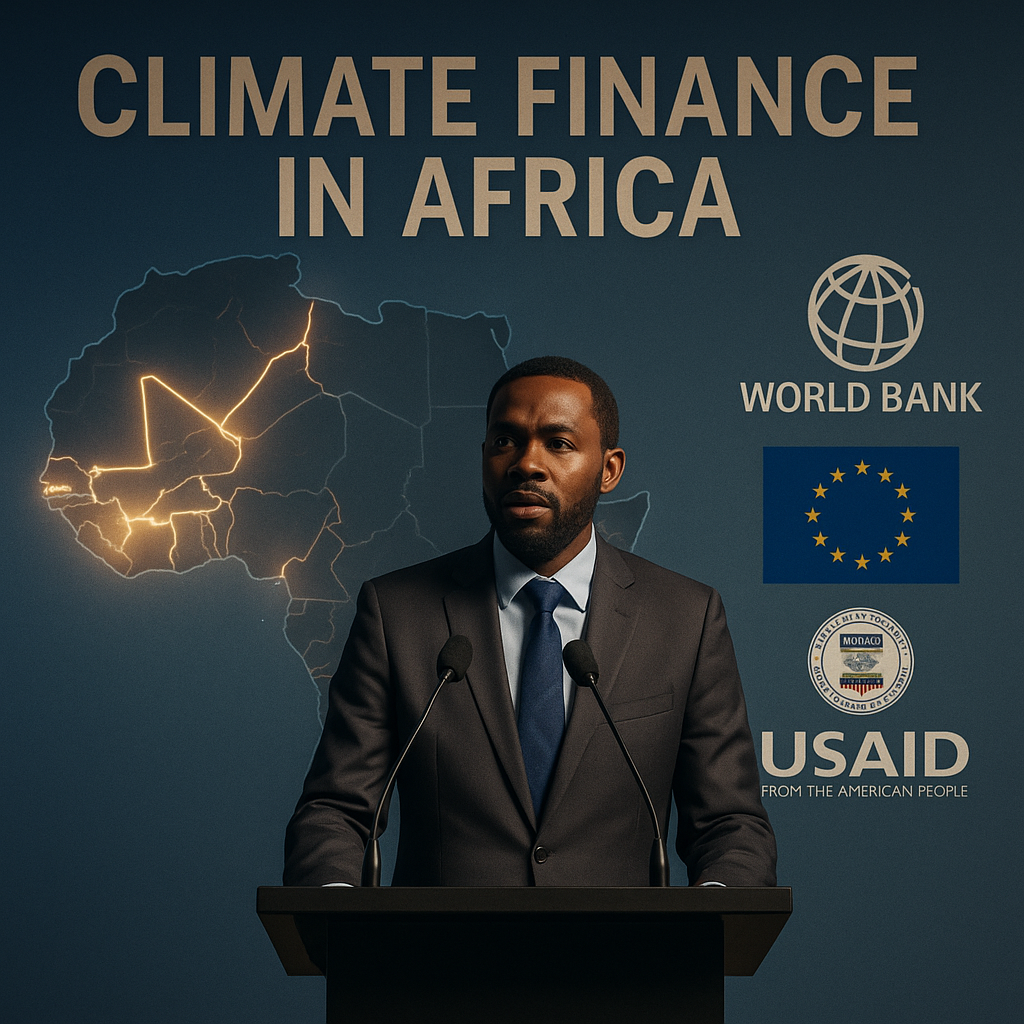
As this article by Brookings highlights, donor funding often prioritises large, export-oriented projects over locally-owned, community-driven initiatives.
This disconnect means smallholders and local entrepreneurs may continue facing energy poverty even in a renewable-rich Africa.
Community-Centred Energy Policy: A Way Forward
For Africa to turn its $5 trillion energy potential into shared prosperity, policymakers must take a different approach.
First, governments must embed local job creation targets in renewable energy projects. These can include mandatory hiring of workers from nearby communities and the establishment of training centres in rural regions.
Second, countries must prioritise financing for decentralised energy systems that serve farms, markets, and small towns. This means redirecting climate funds toward mini-grids, agricultural solar pumps, and off-grid businesses.
Third, energy policies must empower local cooperatives, allowing communities to co-own renewable projects and share in the revenue.
In our earlier editorial, "Africa’s Energy Transition Must Centre People, Not Just Technology", we argued that community ownership isn’t just good ethics, it’s good economics.
When communities control their energy, they not only gain power but also reinvest in local jobs, schools, and health systems.
The Trillion-Dollar Question
Africa’s energy future is often framed in terms of investment, emissions, and geopolitics. But the true measure of success lies elsewhere.
It lies in whether a farmer in Burkina Faso can irrigate her crops without relying on diesel. Whether a young entrepreneur in northern Kenya can power his workshop after sunset. Whether schoolchildren in Sierra Leone can study under a reliable light.
Those stories rarely make headlines. But they are where the energy transition either succeeds or fails.
The $5 trillion in savings isn’t the goal. The goal is people.
Closing Thoughts: From Theory to Reality
Power Shift Africa’s report makes a strong case for the continent’s renewable potential. But numbers alone won’t deliver justice.
Africa’s energy transition must centre the everyday experiences of its people, workers, farmers, and communities in the shadows of global debates.
It must answer their questions, meet their needs, and reflect their hopes.
Because without them, even the biggest savings mean very little.