Batteries for the West, Burdens for Africa: The Cost of Green Minerals
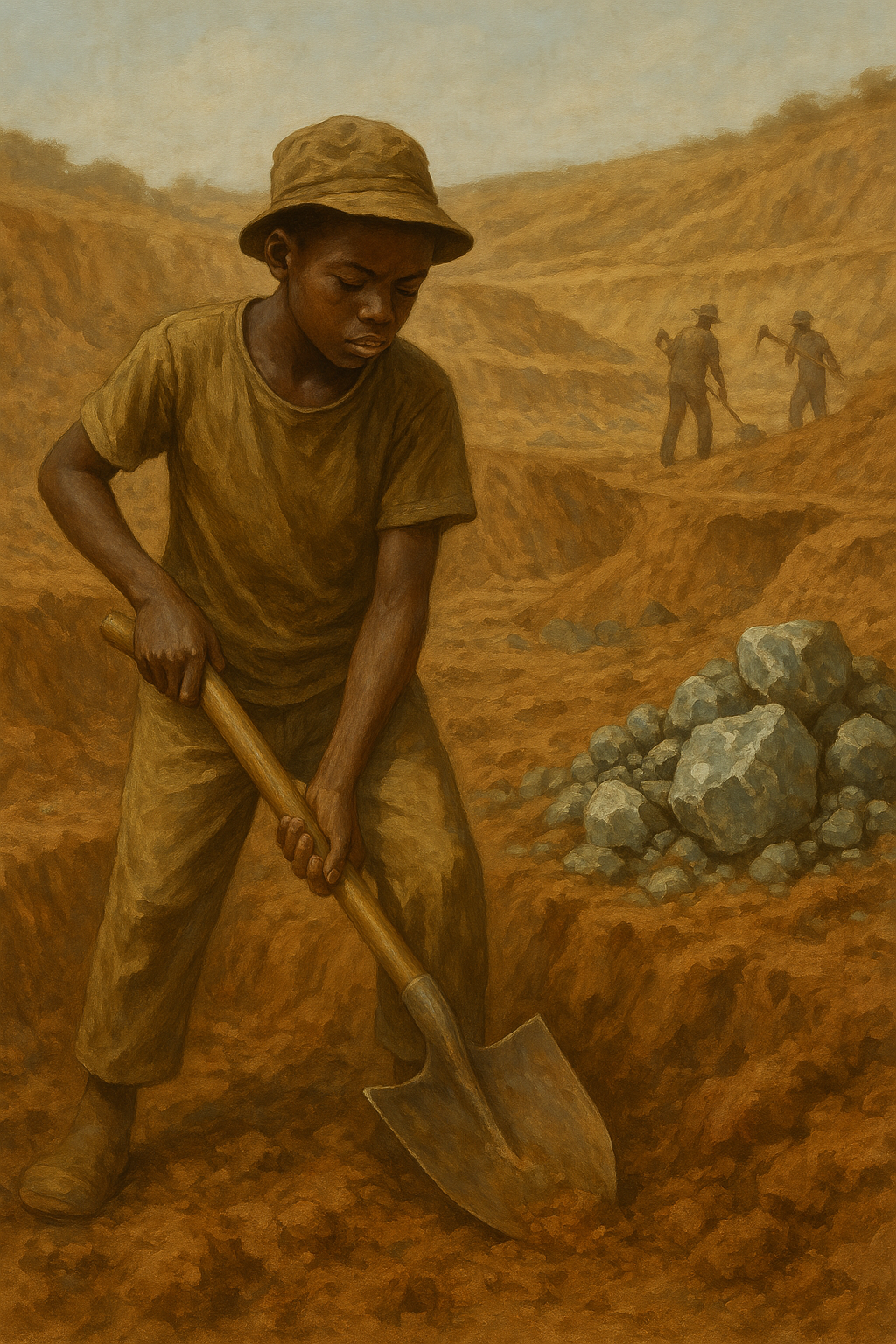
As the world accelerates toward a net-zero future, Africa is rapidly becoming the ground zero for green energy’s raw materials. Cobalt from the Democratic Republic of the Congo. Lithium from Nigeria and Zimbabwe. Graphite and nickel from Madagascar and South Africa.
But while batteries in the West grow greener, African communities are paying a darker price.
The True Cost of Green Minerals in Africa
The cost of green minerals in Africa is not measured in dollars alone—it’s counted in displaced families, poisoned water, lost farmland, and exploited labor.
In the DRC’s cobalt-rich Katanga province, villagers report being forcibly removed from their land to make way for large-scale industrial mines. In some cases, homes have been bulldozed, and those who resist face threats or worse.
And in Zimbabwe, the scramble for lithium has seen communities pushed aside without fair compensation, while Chinese-backed companies export raw materials with minimal local processing or benefit.
This is the hidden cost of green minerals in Africa: communities disempowered, ecosystems destroyed, and development dreams deferred.
A Clean Energy Future Built on Dirty Foundations?
The contradiction is staggering. The same minerals meant to solve the climate crisis are creating local crises across Africa.
And while mining executives tout sustainability, many sites lack basic environmental protections. In southern DRC, cobalt dust chokes the air. In Zimbabwe, rivers once used for farming are now clogged with toxic runoff.
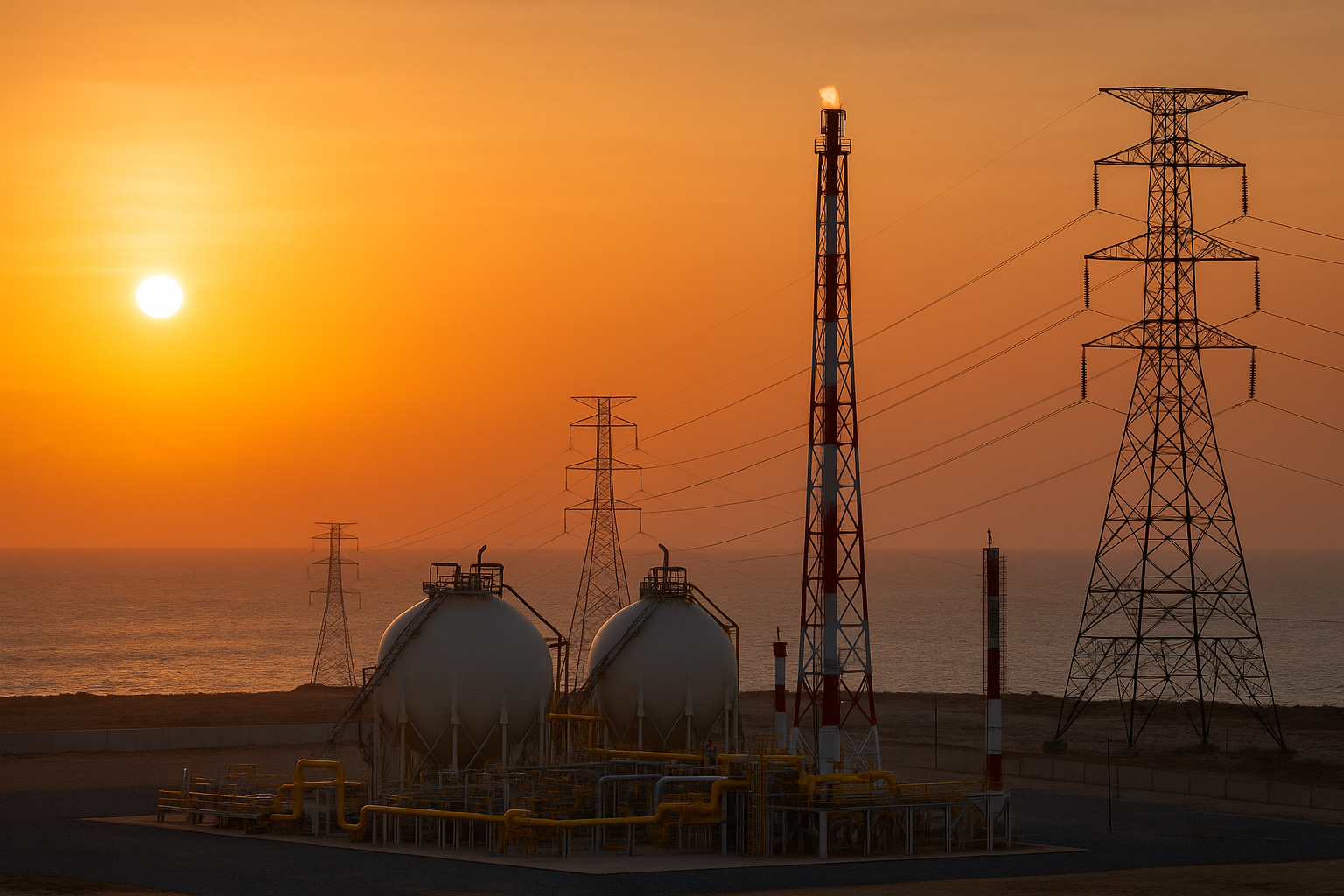
Meanwhile, Africa’s share of the global clean energy supply chain remains negligible, with most raw materials shipped overseas for processing—robbing the continent of jobs, innovation, and long-term value.
Whose Prosperity, Whose Pain?
This story is not unique. From Algeria’s Kabyle region to Tanzania’s graphite fields, communities are questioning whether this so-called green revolution will leave them better off—or just more burdened.
It’s time we ask: Are green minerals empowering Africa, or just extracting from it again?
Toward a Just and People-Centered Transition
As a civil society advocate, I believe the answer lies not in rejecting mining—but in radically reimagining it.
Africa must not only dig the minerals for the global transition—it must also define the rules. That means:
- Free, Prior, and Informed Consent must be non-negotiable.
- Communities must receive fair compensation and long-term benefits.
- Environmental protections must be enforced and monitored.
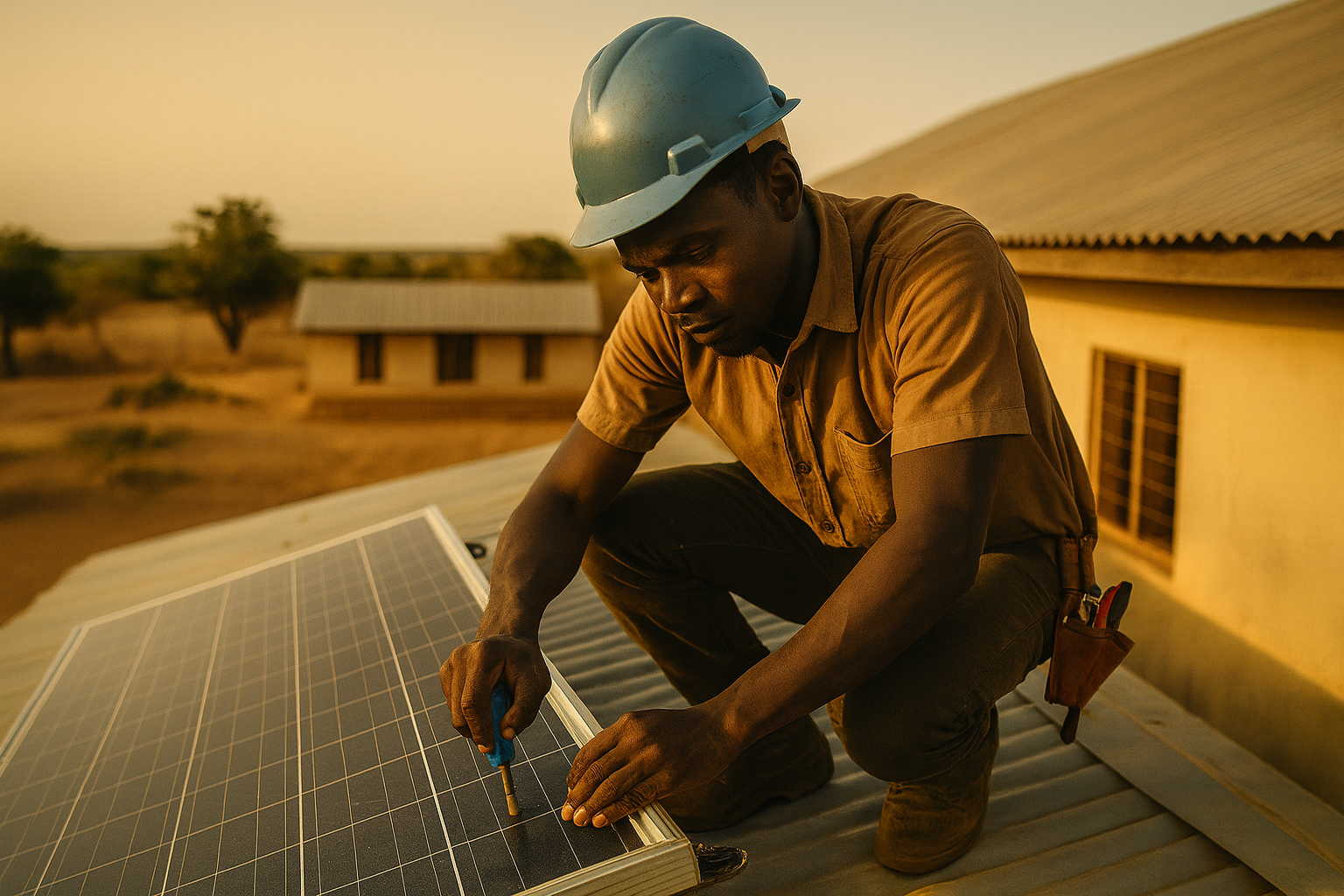
- And Africa must invest in local value addition—from processing to battery manufacturing.
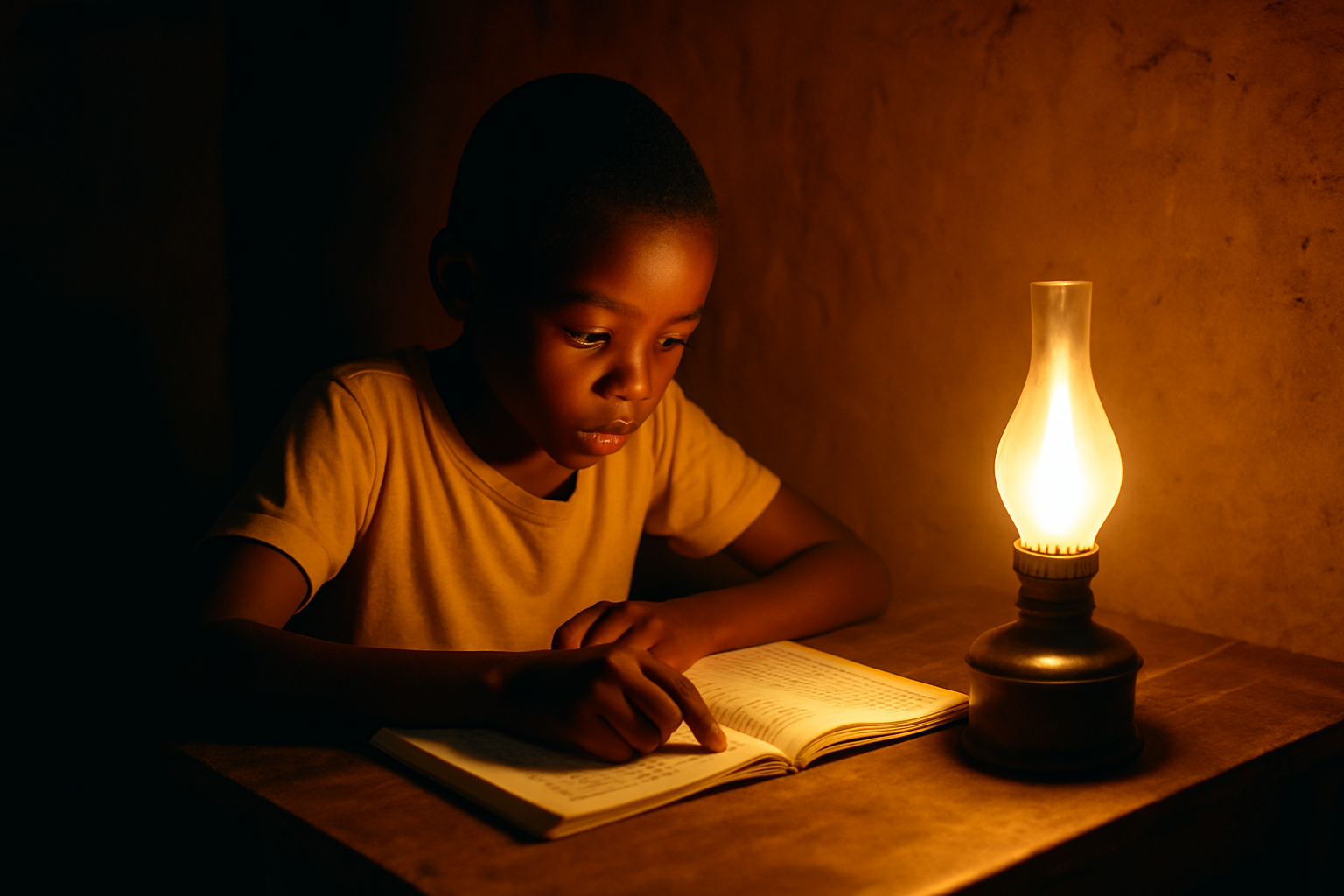
A just energy transition cannot be built on injustice. The cost of green minerals in Africa should not be paid by the most vulnerable.
Final Word
Africa is powering the world’s clean future. But it must not do so at the cost of its own.
As we race to build batteries, let’s not forget the people who live above the minerals that make them possible. If the green economy is to be truly sustainable, it must be fair, transparent, and inclusive.
And if the global North wants Africa’s minerals, it must also respect Africa’s people.