Energy Security Shock: Why Africa’s Transition Debate Just Changed Overnight
The first alert didn’t come from a climate report, but from the market.
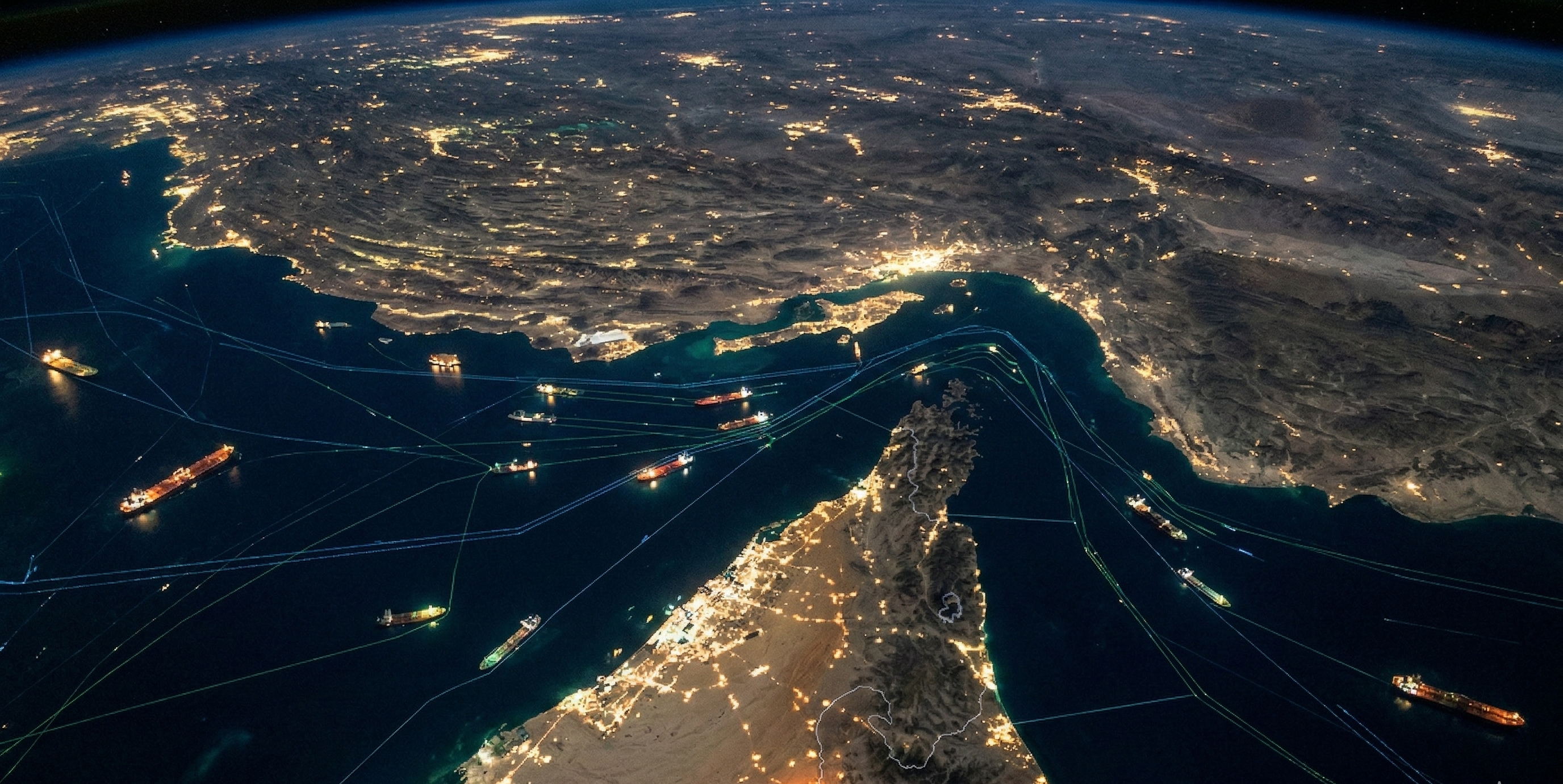
On Saturday night, as news broke that the United States and Israel had struck Iran, energy desks across Africa switched from planning memos to contingency calls. By Sunday, crude had surged as traders priced in the possibility that the conflict could spill into the shipping lane, particularly the Strait of Hormuz, the world’s most consequential oil chokepoint.
In Nigeria, the questions were immediate and practical: What happens to import bills if prices stay elevated? How quickly do fuel subsidies reappear through the back door? What does this mean for FX? In refinery and power circles, the anxiety was less dramatic but sharper, an acknowledgement that energy security shocks rarely arrive politely, and that Africa often absorbs them through inflation, currency pressure, and fiscal strain.
This is what changed overnight: the global energy transition conversation has been re-centred around security, not just emissions.
What happened, and why markets moved so fast
The immediate trigger was the strike itself, U.S. and Israeli operations against Iran, followed by fears of rapid escalation across the region. Oil prices jumped sharply as analysts warned that sustained disruption could push prices materially higher, particularly if flows through Hormuz were impeded.
The market reaction was not only about barrels. It was about logistics and risk.
Within hours, reports indicated that major shipping and trading actors were reassessing routes and exposure, and that war-risk insurance costs were rising. The Financial Times reported insurers moving to cancel or reprice policies for vessels transiting the Gulf and Strait of Hormuz, with broker estimates pointing to large premium increases.
That is why volatility can spike even before a single tanker is physically blocked: in oil markets, the price of fear insurance, freight, and rerouting arrives early, and it travels quickly into import costs.
The deeper shift: security is now steering transition decisions again
For several years, “transition” has largely meant decarbonisation timelines and the politics of fossil fuel phase-down. This week did not erase those forces, but it changed the organising logic.
Governments and investors are once again prioritising a question that climate narratives sometimes treat as secondary: Can an energy system keep functioning under geopolitical stress? The shift is subtle but decisive: transition is increasingly framed as security-aware electrification, not only climate-aligned decarbonisation.
That framing is reinforced by what happened next: the moment Hormuz risk rose, the world’s attention snapped back to energy chokepoints, strategic stockpiles, shipping insurance, and supply diversification.
This does not mean the world is “returning” to fossil fuels. It means energy transition debates are being forced to admit what many African policymakers already know: resilience is not optional. It is a design requirement.
Why this matters for Africa: exporters may gain attention, importers absorb pain
Africa sits on both sides of this shock.
For oil and gas exporters, renewed Middle East risk can increase short-term geopolitical attention and bargaining value. In a world trying to diversify supply exposure, non-Gulf producers can look strategically useful at least temporarily. But this advantage is volatile and politically contingent; it can evaporate as quickly as it appears.
For net importers, the consequences are more direct: higher oil prices translate into higher fuel import bills, transport costs, food inflation, and pressure on already tight FX positions. The “energy security shock” becomes a macroeconomic shock, and the poorest households feel it first.
Even for exporters, there is a second-order risk: higher prices can ease fiscal pressure in the short run, but they can also delay the deeper reforms that build long-term resilience, grid investment, refinery reliability, regional power trade, and demand-side efficiency.
This is the policy tension: short-term revenue relief versus long-term energy system security.
The contradiction that Africa must not misread
The danger is narrative confusion.
A price spike can be misread as a long-term reversal, proof that oil will dominate indefinitely. But markets can rally on short-term risk even while medium-term structural trends remain unchanged. Reuters analysis this weekend emphasised how quickly markets reprice when conflict threatens flows, and how easily premiums can persist even without a full blockade.
For African institutions, the correct reading is more disciplined:
The shock increases the value of domestic energy resilience.
It strengthens the case for electrification built on reliable grids, not only capacity announcements.
It underscores the vulnerability of economies overly dependent on imported refined fuels.
It raises the importance of FX buffers and fiscal credibility in managing energy volatility.
Energy security is not replacing transition. It is reshaping its sequencing.
Critical minerals and electrification supply chains: the quiet acceleration
While oil dominates headlines, the strategic ripple often flows toward electrification supply chains. When hydrocarbon routes look insecure, policy attention shifts toward technologies that reduce exposure to shipping chokepoints, renewables, storage, grid upgrades, and electrified transport.
Those technologies are mineral-intensive.
This is where Africa’s role expands again: not only as a potential short-term stabiliser of hydrocarbon supply, but as a critical node in the materials required for a more electrified global economy. That does not automatically translate into an advantage. It raises a governance challenge: can African states convert mineral endowment into industrial leverage, processing, logistics corridors, and power reliability rather than repeating extraction-first patterns?
Security shocks accelerate competition. They also reward prepared institutions.
ETA takeaway
This crisis did not “pause” the transition. It recalibrated it.
The next phase of the global energy story will be written by those who can build systems that are:
resilient to geopolitical shocks,
credible to investors,
and aligned with development priorities.
For Africa, the strategic task is to resist the comfort of short-term narratives, whether “oil is back forever” or “transition will be smooth.” The reality is harsher and more actionable: energy security and energy transition are converging into one agenda, and countries that design for resilience will shape the terms of capital, trade, and growth.