Nigeria’s Lithium Boom Is Growing But Who Is Enforcing the Rules?
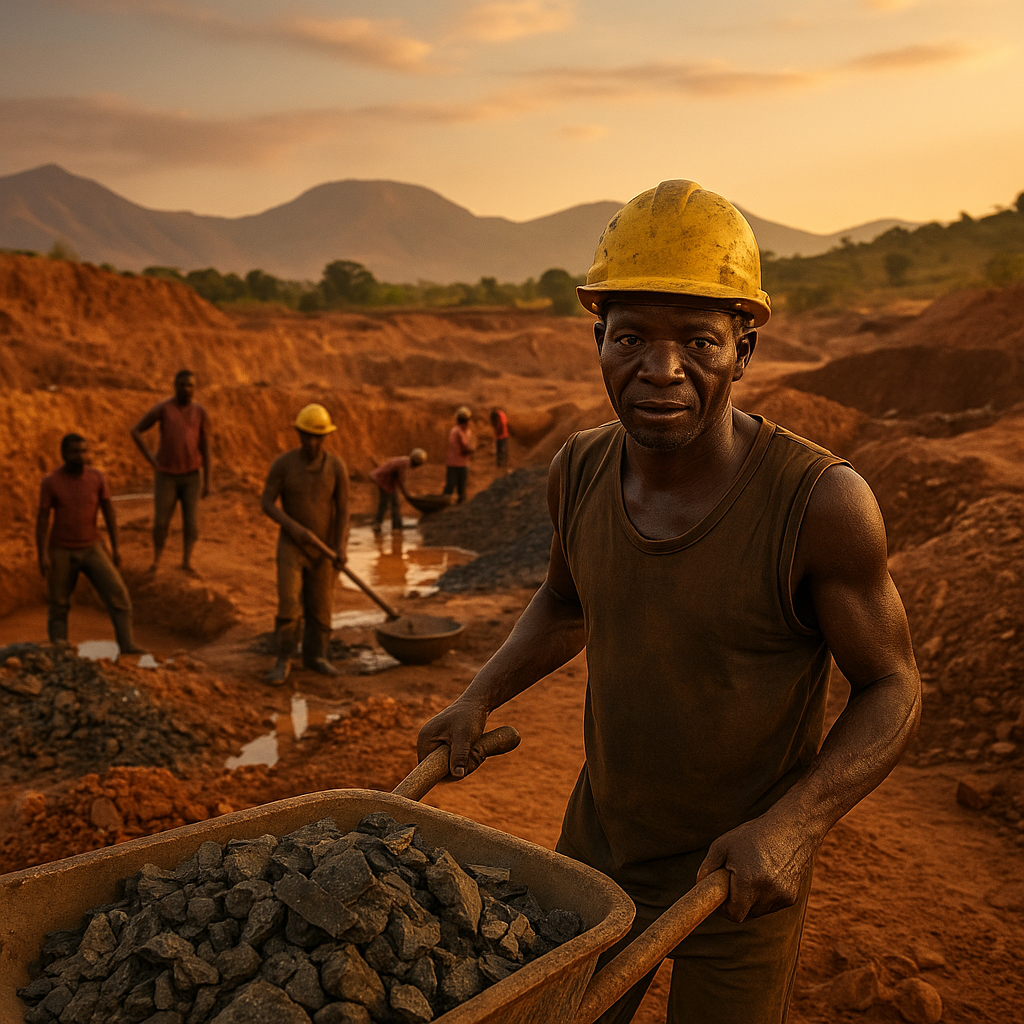
In the hills of Nasarawa State, in Nigeria, where farming has sustained families for generations, a new kind of digging has begun.
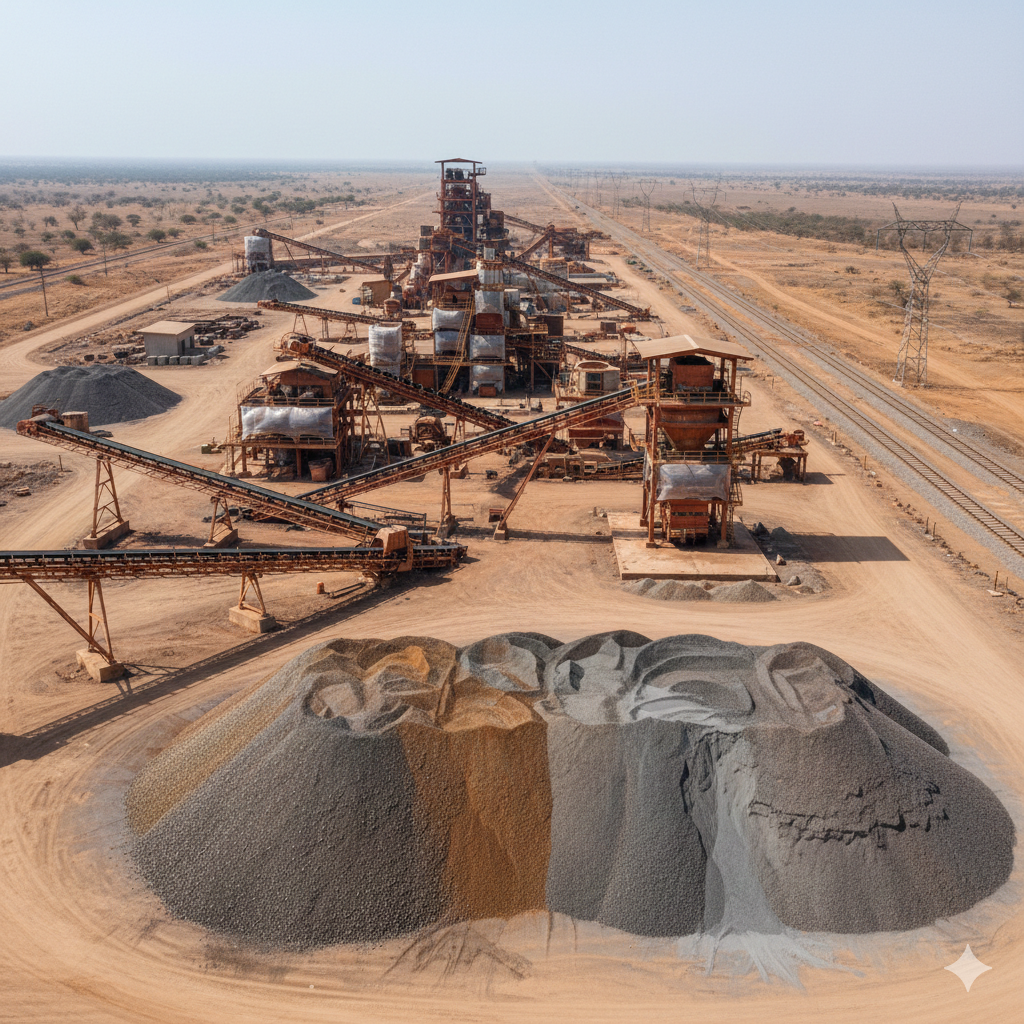
Prospectors, some representing licensed companies, others arriving with little more than hand tools, are searching for lithium. The mineral, essential for electric vehicle batteries, has turned this corner of central Nigeria into a frontier of the global energy transition.
That transition is accelerating rapidly. Global demand for lithium is expected to grow more than 40-fold by 2040, according to the International Energy Agency. But for communities watching these developments, excitement is tempered by memory.
“We saw what oil did to the Niger Delta,” one community elder told a local researcher. “We are watching to see if lithium does the same to our water.” His concern captures the central governance dilemma facing Nigeria’s lithium boom: whether the country’s regulatory system is capable of managing environmental risks before they become irreversible.
The question extends beyond Nigeria. As the world races to secure critical minerals, the credibility of the energy transition increasingly depends on whether new extraction avoids the ecological damage associated with fossil fuels. If lithium is mined under weak oversight, the label “green” risks becoming a justification for repeating past practices rather than a break from them.
The Institutional Context
Nigeria has a legal framework governing mining and environmental compliance. The Environmental Impact Assessment (EIA) Act of 1992 requires projects with significant environmental implications, including large-scale mining, to undergo an EIA before development begins. The process is intended to identify risks, propose mitigation measures and establish a baseline for monitoring.
The Nigerian Minerals and Mining Act of 2007, amended in 2020, provides the overarching legal framework. It mandates environmental obligations, requires mining lease holders to post reclamation bonds and establishes community development agreements to ensure host communities benefit from extraction.
Enforcement responsibilities are distributed across multiple institutions: The Mines Environmental Compliance Department within the Ministry of Solid Minerals Development is responsible for monitoring compliance. The National Environmental Standards and Regulations Enforcement Agency (NESREA) has broader environmental oversight. And state-level ministries sometimes assert authority over land use.
Where the Governance Gap Emerges
The gap between law and enforcement in Nigeria’s mining sector can be understood through four interconnected failures.
First, post-approval monitoring is structurally weak. The EIA process typically ends once approval is granted, with no systematic requirement for ongoing, independent verification that approval conditions are being met. The Mines Environmental Compliance Department is significantly under-resourced relative to the number of active mining sites, and site visits are infrequent. Companies largely self-report compliance, creating an obvious conflict of interest.
Second, regulatory fragmentation creates accountability gaps. Multiple agencies have overlapping mandates, but coordination is minimal. NESREA may assume the Mines Environmental Compliance Department is monitoring a site; the department may assume NESREA is handling water quality. In practice, neither does. When problems arise, agencies often defer responsibility, leaving communities without recourse.
Third, financial assurance mechanisms are inadequate. The Mining Act contemplates reclamation bond funds set aside to restore land after mining ends. However, these bonds are rarely calibrated to actual ecological restoration costs and are often set as a fixed percentage of project value rather than based on what remediation would require. Thus, if a company abandons a site or declares bankruptcy, there is rarely sufficient funding to restore the damage.
Fourth, communities have no independent monitoring role. Local populations live with the consequences of extraction but have no formal mechanism to trigger inspections or access environmental data. Problems are often detected only when water changes colour or livestock begin to die, by which point environmental damage is already underway.
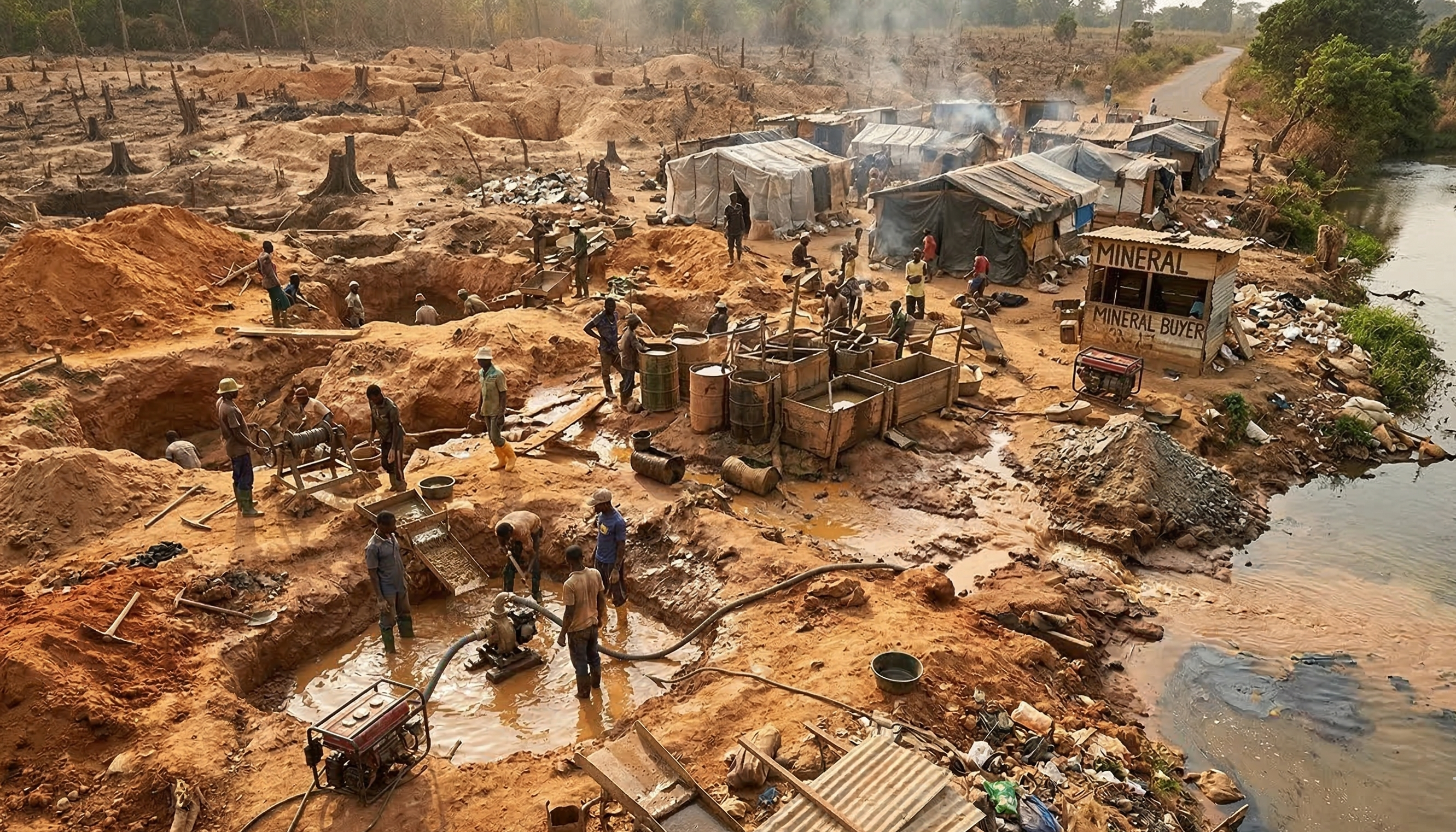
These gaps are not hypothetical. In artisanal mining areas across Plateau and Nasarawa, early signs of unregulated extraction are already visible: cleared vegetation, unlined pits collecting stagnant water and sediment runoff into streams. These impacts are still small in scale, but they offer a preview of what may follow if enforcement remains weak.
Why This Matters for the Energy Transition
The governance gaps in Nigeria’s lithium sector have implications that extend well beyond environmental regulation. For investor confidence, the stakes are significant.
International capital flowing into critical minerals is increasingly sensitive to environmental, social and governance (ESG) considerations; major mining companies and their financiers conduct due diligence on regulatory environments. If Nigeria gains a reputation as a jurisdiction where environmental commitments are made but not enforced, the cost of capital will rise, and some investors may choose to go elsewhere.
For the credibility of the energy transition, the implications are even broader. The shift away from fossil fuels is often framed as a move toward a cleaner and more sustainable energy system. But if the minerals enabling that transition are extracted in ways that poison water, degrade farmland and displace communities, that narrative becomes harder to sustain.
For communities in mining regions, the energy transition isn't an abstract global goal, but a local experience that can either improve livelihoods or replicate patterns of environmental harm. For Nigeria’s own development trajectory, the lithium boom represents a familiar choice.
The country can replicate the governance failures of the oil era, where wealth was concentrated, pollution was externalised, and environmental damage remained unremediated. Or it can pursue a different path: a mining sector that is productive, accountable, profitable and sustainable.
Strategic Implications
Nigeria stands at a familiar crossroads. The oil era generated wealth for some and environmental damage for many. Lithium offers an opportunity to do things differently, but only if governance gaps are addressed before large-scale extraction accelerates. Several reforms could shift the trajectory:
Strengthening the Mines Environmental Compliance Department with dedicated funding and clear performance metrics would signal that monitoring is a priority rather than an afterthought.
Mandating independent, community-triggered inspections would introduce accountability where it is currently absent.
Requiring pre-funded remediation bonds calculated based on ecological restoration needs rather than financial estimates would ensure that damaged land can be restored even if companies exit prematurely.
None of these reforms requires new legislation. The laws already exist; it simply requires enforcing them. The question is whether Nigeria’s institutions are capable of that enforcement, or will the lithium rush become the latest chapter in a long history of extraction without accountability?
For communities in Nasarawa and Plateau watching the diggers arrive, the answer will determine whether lithium brings progress or perpetuates a familiar pattern. For the global energy transition, it will help determine whether the shift to critical minerals can genuinely break from the extractive past.