Africa Wants Beneficiation But Its Existing Industry Is Already Disappearing
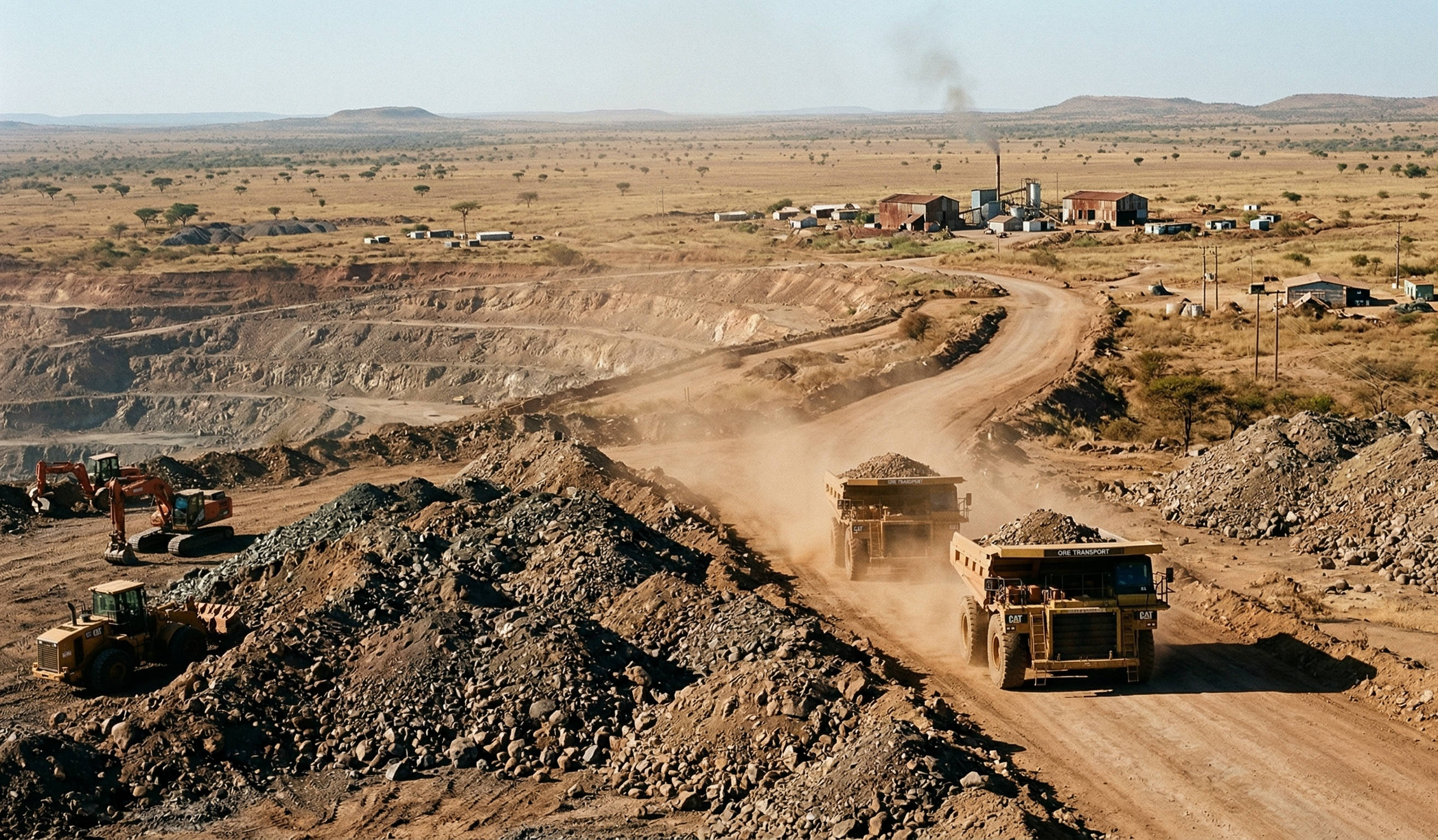
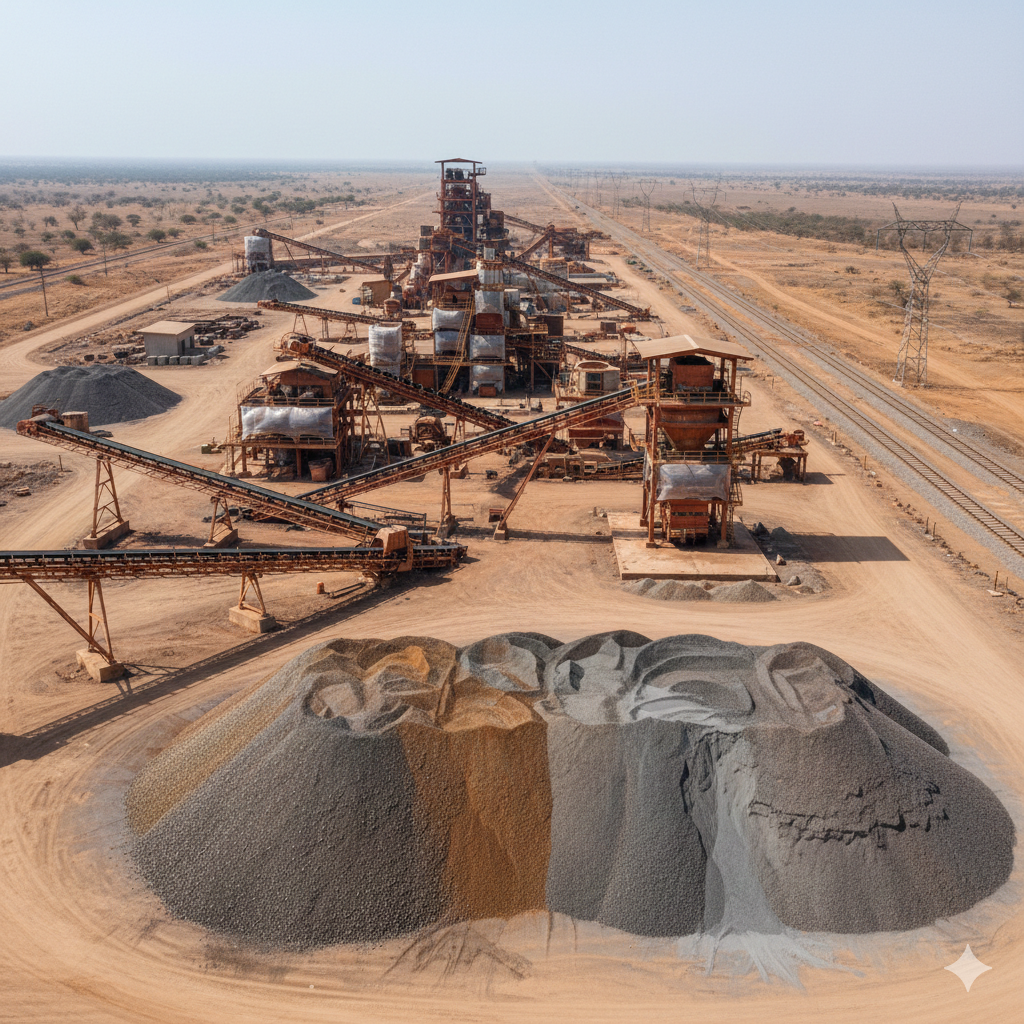
Visit most of Africa’s industrial zones, and you will observe that what were once spaces of constant motion, furnaces running, systems humming, workers moving between stations now operate at a reduced pace. In some facilities, sections have been shut entirely, while in others, activity continues, but not at the scale it once did.
But that interpretation is becoming harder to sustain. Across different parts of the continent, similar patterns are emerging. Energy-intensive industries are scaling down, suspending operations, or disappearing altogether.
And this is happening at a moment when Africa is speaking more boldly than ever about beneficiation, industrialisation and moving up the value chain. The contrast is difficult to ignore.
The rise of beneficiation ambition
All over Africa, a new industrial narrative is taking shape. Governments are no longer content with exporting raw minerals while value is created elsewhere. Policy documents, strategy papers and political speeches now emphasise the need to process resources locally, to turn extraction into industry, and industry into economic transformation.
This shift is both logical and necessary, because critical minerals such as lithium, cobalt and manganese are central to the global energy transition. Demand is rising rapidly, and countries that control both the resources and processing capacity will shape the next phase of industrial development.
For the continent, this represents an opportunity to rewrite its economic role. Instead of supplying raw inputs, it can participate in higher-value segments of global supply chains; create jobs, develop industrial capacity and retain more of the wealth generated by its resources.
This is what beneficiation promises. But promises are not the same as systems, because while ambition is rising, the conditions required to support it are under increasing pressure.
The industrial reality beneath the ambition
Behind the growing conversation around industrialisation lies another reality. Many of the industries that beneficiation depends on are not ideas for the future; they already exist across the continent in different forms.
Smelters, refineries and processing plants have long been part of Africa’s industrial story. They are operating, but quite a number of them are struggling.
Recent developments in South Africa provide a clear example. Rising operational costs, combined with broader system challenges, have placed pressure on smelting operations. Facilities that once processed minerals domestically are operating below capacity, while others face uncertain futures.
The result is a gradual erosion of industrial capacity. And that erosion raises a critical question: what happens to beneficiation if the industries required to deliver it are already under strain?
When industry begins to shrink
Industrial decline does not always happen abruptly; often, it is a gradual process, a production line is reduced, a facility operates at lower capacity, investment decisions are delayed, and maintenance is deferred. Over time, these small adjustments accumulate into structural change.
This is how industrial capacity shrinks. The recent contraction in smelting operations illustrates this process; facilities that once formed part of Africa’s processing capacity are no longer operating at previous levels. In some cases, they are closing entirely.
While the reasons are multifaceted, including rising costs, infrastructure challenges and shifting global dynamics, what is worrisome is that industrial activity is declining in sectors that are central to beneficiation. A
nd this is where the contradiction emerges: Africa is planning to build new processing capacity while existing capacity is under pressure. The risk is not only that new projects may struggle to emerge. It is possible that the foundation they depend on may continue to weaken.
The cost of staying competitive
Industrial activity is shaped by competitiveness. Companies don't operate facilities simply because resources are available or policies are supportive. They operate where the economics make sense.
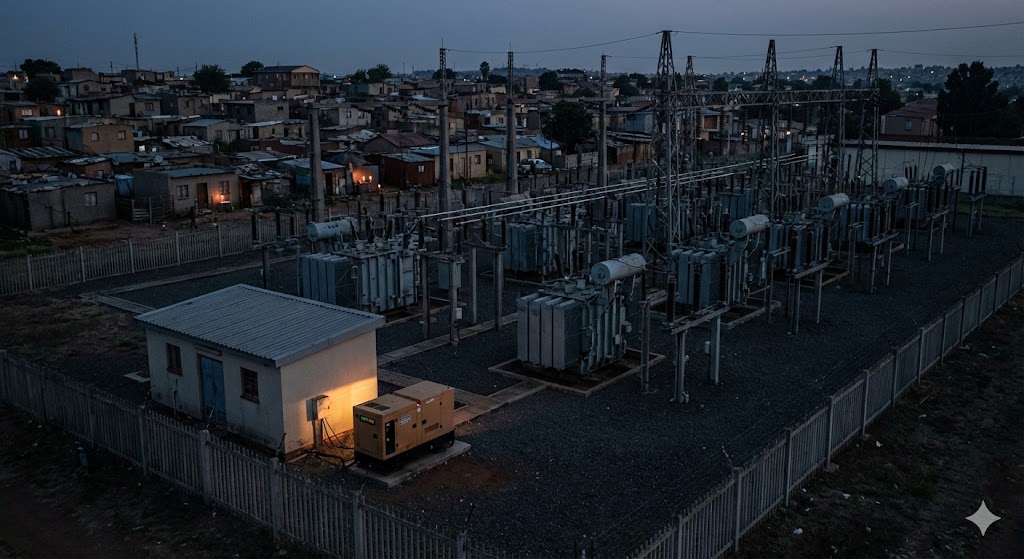
For energy-intensive industries, those economics are particularly sensitive to cost structures. Inputs such as electricity, logistics and maintenance determine whether operations remain viable.
When these costs rise, margins shrink, and when margins shrink, decisions change. Facilities reduce output, and investment slows. In some cases, operations are relocated or discontinued.
This is not unique to Africa. It is a feature of global industrial systems. But in our context, the challenge is more pronounced because cost pressures often intersect with infrastructure constraints. This combination makes it difficult for industries to remain competitive. And when industries struggle to compete, they contract.
The global competition for processing
The challenge of beneficiation is both internal and external. Global value chains for critical minerals are highly competitive. Processing capacity is concentrated in countries that have built strong industrial ecosystems, combining infrastructure, technology, policy stability and cost efficiency.
These ecosystems didn't emerge overnight, but were developed over time through coordinated investment and strategic planning. For Africa, entering this space means competing with established systems.
And this requires resources and the ability to operate at comparable levels of efficiency and cost. But with significant current industrial pressures, existing processing facilities are struggling to remain viable, and scaling new ones becomes more difficult. Investors assess these conditions and influence where capital flows.
The sequencing problem
At the heart of this issue lies a question of sequencing. Africa is moving toward beneficiation as a future goal. But the industries that underpin that goal are under pressure in the present, which creates a structural mismatch.
Beneficiation assumes the existence of:
functioning industrial facilities
stable operating environments
competitive cost structures
If these conditions are weakening, the path to value addition becomes more complex. This doesn't mean beneficiation is the wrong strategy, but the order in which it is pursued matters. Strengthening existing industrial capacity may be as important as building new systems. Without that foundation, new ambitions risk being built on unstable ground.
The bigger risk for Africa’s transition
The risk facing Africa isn't simply that beneficiation may be slow to develop, but that the industrial base required to support it may continue to erode. And if that happens, the continent could find itself in a difficult position. Resources would still be extracted, but processing would continue to occur elsewhere.
The opportunity to capture value would remain limited, and the gap between ambition and reality would widen. This isn't an abstract concern, but a trajectory that is already visible in certain sectors. Reversing it requires recognising that industrial capacity is not static; it must be maintained, strengthened and expanded. Without that effort, the foundation for future value chains becomes fragile.
Conclusion: building the future requires protecting the present
Africa’s push for beneficiation reflects a clear and necessary shift in thinking. The continent is seeking to move beyond extraction and participate more fully in global value chains. This ambition is grounded in economic logic and long-term development goals.
But ambition alone is not enough. Industrialisation depends on systems, which already exist in some form today. The question is whether they will remain strong enough to support future growth. If existing industries continue to struggle, the path to beneficiation becomes more uncertain.
If they are stabilised and strengthened, the opportunity becomes more real. The future of Africa’s industrialisation will not be built from scratch. It will be built on what already exists, and whether that foundation holds may determine whether beneficiation becomes reality or remains aspiration.