Africa’s $120 Billion Grid Gap Is the Power Problem No One Is Fixing
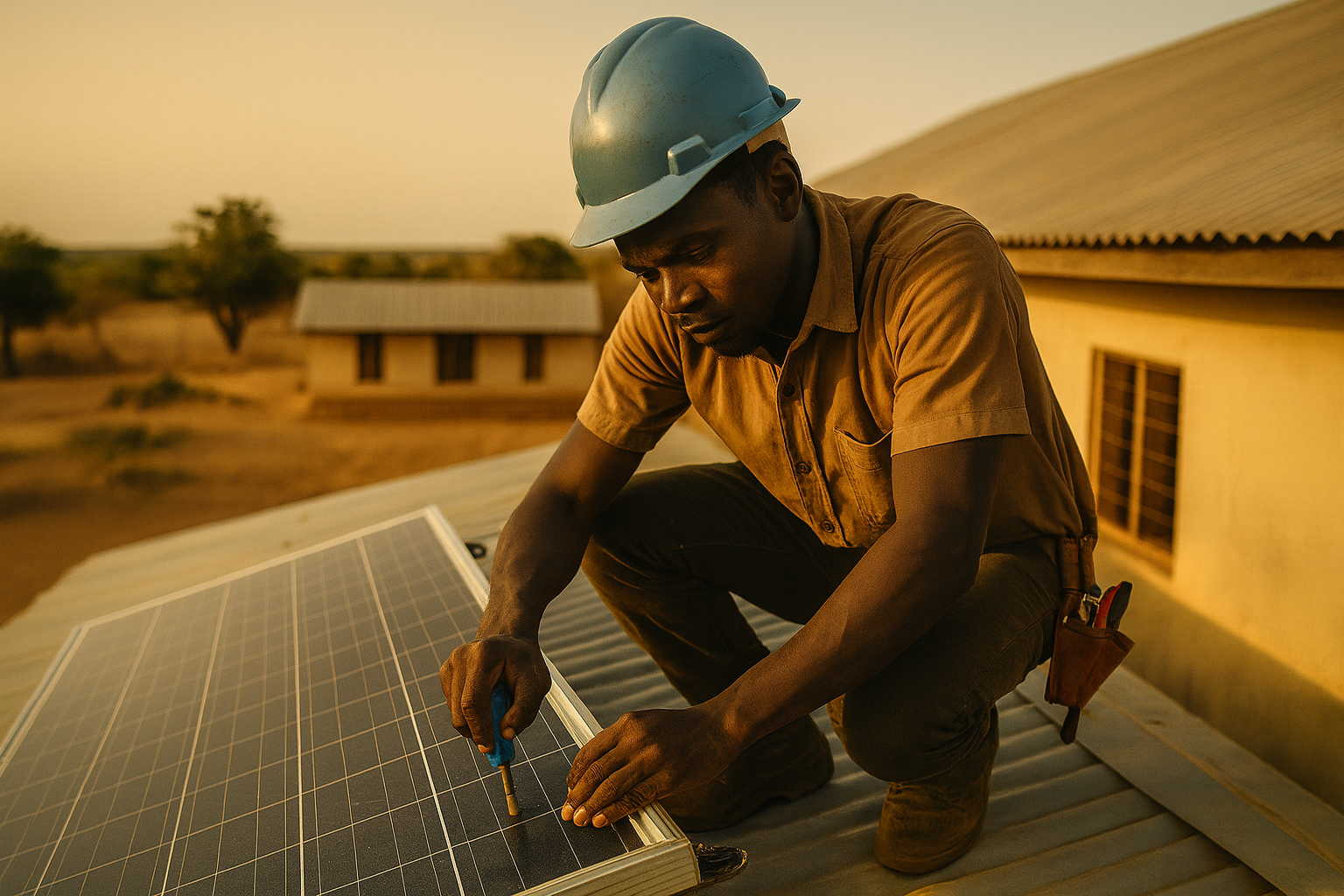
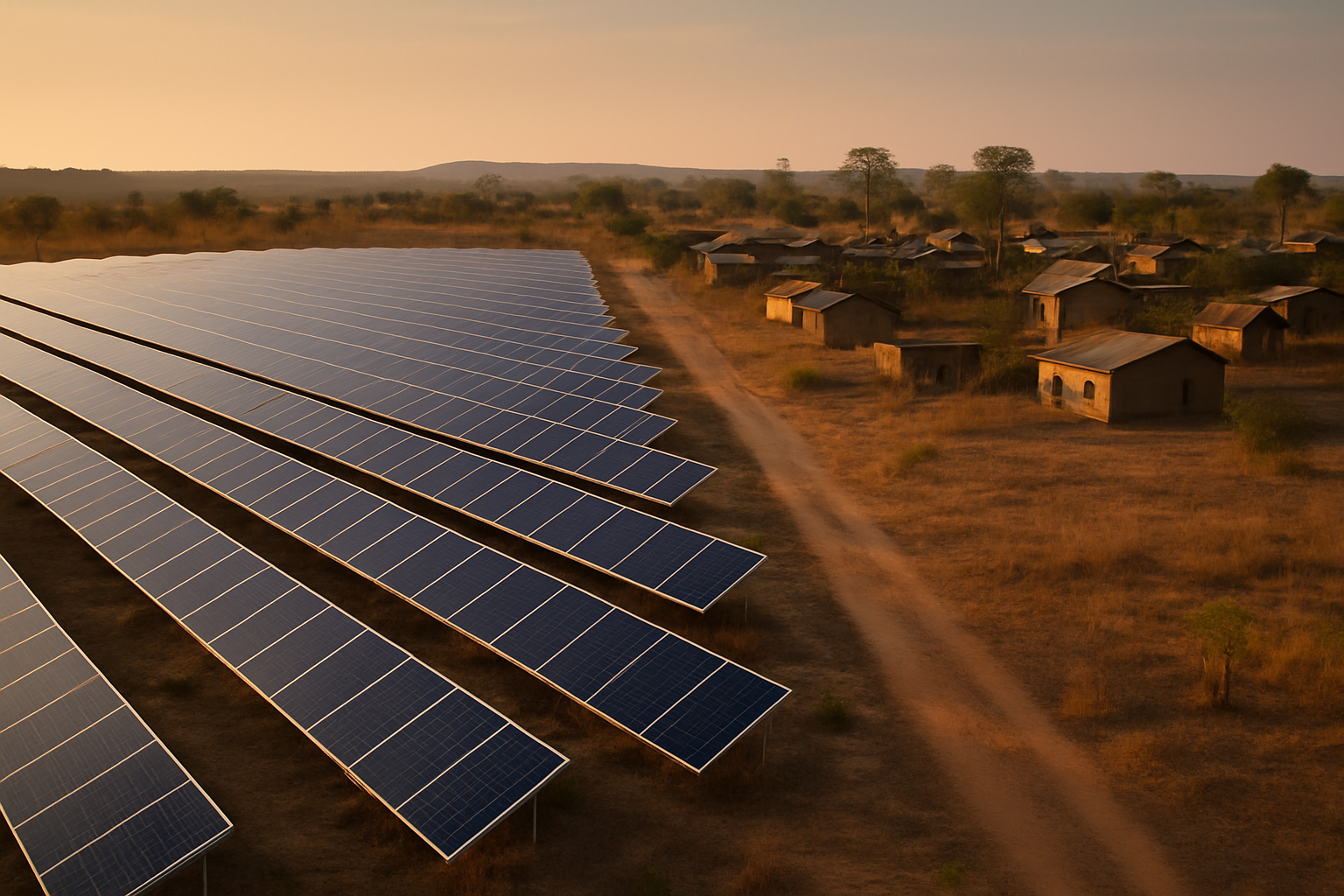
When energy debates trend on social media, the images are predictable. You find solar panels glinting under the African sun, wind turbines turning above open savannah, oil rigs silhouetted at dusk, etc.
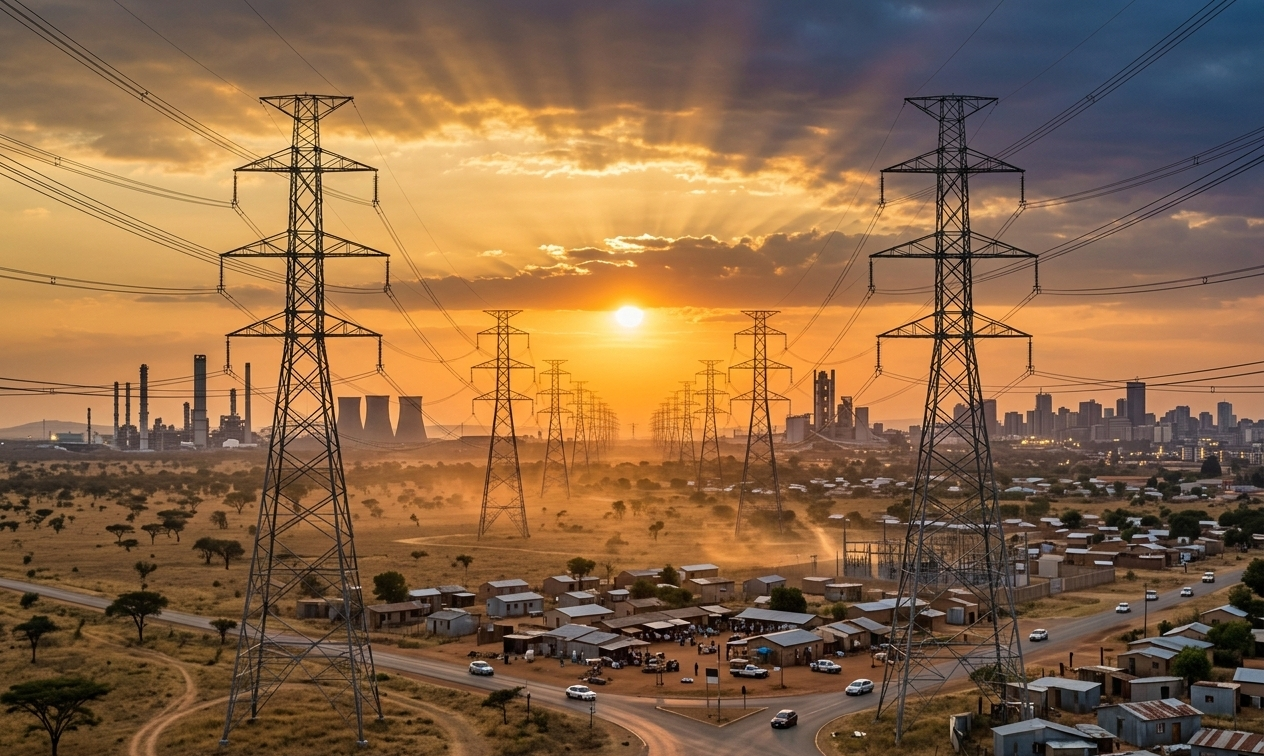
But the infrastructure that will determine whether Africa’s energy transition succeeds is rarely photographed: transmission lines, substations, and grid reinforcement corridors.
According to the International Energy Agency, global grid investment must rise from roughly $400 billion annually today to around $600 billion per year by 2030 to keep pace with accelerating electricity demand and renewable integration.
In sub-Saharan Africa, the shortfall is proportionally more severe. The World Bank estimates that Africa requires tens of billions of dollars annually in transmission and distribution investment to meet access, reliability and industrial growth targets.
Put conservatively, analysts estimate that Africa’s transmission and distribution gap exceeds $100–120 billion over the coming decade. And yet, almost nobody campaigns about transmission.
What is the transmission gap?
Let us define the term clearly. The transmission gap refers to the difference between:
The grid infrastructure required to deliver reliable electricity at scale
And the infrastructure that currently exists or is financed
It isn't about generation capacity alone. Africa has abundant solar, wind, hydro and gas potential. Large-scale projects are being announced across Morocco, Egypt, South Africa, Namibia and Kenya. But power generation without transmission is stranded capacity.
Transmission networks:
Move electricity from power plants to load centres
Balance supply and demand across regions
Enable cross-border power trade
Absorb variable renewable energy
Without robust transmission systems, power plants cannot fully deliver electricity to industry and households. And without interconnection, regional power pools remain underutilised.
Why the gap is widening
Electricity demand is rising globally faster than overall energy demand, driven by electrification of transport, cooling, industry and digital infrastructure. Africa faces a double demand surge:
Population growth and urbanisation
Industrialisation ambitions and mineral processing
Yet transmission investment has not kept pace, which can be explained by several structural constraints, including:
1. Utility solvency
In many African countries, transmission expansion depends on state-owned utilities with weak balance sheets. Cost-recovery challenges and high system losses constrain reinvestment capacity.
2. Long lead times
Transmission projects take years, often longer than generation projects due to land acquisition, permitting and environmental assessments.
3. Lower political visibility
A new solar plant is visible and celebratory. A transmission corridor is technical and bureaucratic.
4. Financing risk
Transmission revenues are regulated and often denominated in local currency, increasing perceived risk for foreign investors.
The African Development Bank emphasises infrastructure bottlenecks as a primary constraint to productivity growth and competitiveness across the continent. Transmission sits at the centre of that bottleneck.
Why generation headlines distract from grid reality
Africa’s energy discourse often focuses on installed capacity. But installed capacity doesn't always equal delivery capacity. In several countries, renewable projects face curtailment due to grid congestion, and industrial zones remain underpowered despite nearby generation assets.
The IEA notes that globally, grid capacity additions are lagging renewable deployment, creating interconnection queues and delays. But this phenomenon isn't confined to advanced economies.
In Africa, it manifests differently:
Delayed evacuation infrastructure
Weak inter-regional transmission
Voltage instability in growing urban centres
The result is paradoxical: abundant renewable announcements alongside persistent industrial outages. Transmission isn't merely wires. Beyond that, it is the circulatory system of electrification.
Why this matters for industrialisation
Industrial competitiveness depends on reliable, high-capacity electricity. Mineral beneficiation, steel production, fertiliser plants and data centres cannot operate efficiently on unstable grids.
Africa’s ambition to process lithium, cobalt and manganese domestically hinges on transmission strength. And without grid reinforcement:
Renewable integration remains constrained
Gas-to-power stabilisation underperforms
Regional power trade stagnates
Energy costs remain elevated
Electricity is increasingly a competitiveness infrastructure. Countries that build strong grids anchor productivity growth, while those that don't remain constrained by outages and diesel dependence.
Regional power pools: underutilised potential
Africa has established regional power pools, including the Southern African Power Pool (SAPP), the West African Power Pool (WAPP), and the Eastern Africa Power Pool (EAPP).
In theory, these frameworks enable cross-border electricity trade and optimise generation diversity. But in practice, transmission interconnections remain insufficient.
The African Union’s infrastructure initiatives and the Programme for Infrastructure Development in Africa (PIDA) continue to prioritise cross-border transmission corridors, but implementation pace lags ambition.
Regional trade can reduce generation costs and improve resilience. But without interconnection, each country bears its own volatility, and transmission is what converts regional aspiration into functional integration.
The financing question: who pays for wires?
Generation projects often attract private capital because revenue streams are relatively clear. Power purchase agreements provide predictable cash flows, often backed by sovereign guarantees or creditworthy off-takers, and investors can model risk with relative precision.
Transmission is different. It is a regulated infrastructure. Revenues are typically embedded in tariff structures rather than negotiated contracts, and returns are longer-term, politically exposed and frequently denominated in local currency, raising foreign exchange risk for international financiers.
Blended finance mechanisms are increasingly being deployed to bridge this gap. Multilateral institutions and development banks have expanded support for grid upgrades, interconnection corridors and substation modernisation. Yet even concessional capital cannot substitute for coherent planning and utility solvency.
The International Energy Agency underscores that global grid investment must rise dramatically to support electrification and renewable integration. For Africa, this means transmission cannot remain residual after generation. It must be treated as a primary investment category, with financing models designed accordingly.
Why nobody campaigns about transmission
Transmission lacks narrative appeal. It does not photograph well, nor carry the moral clarity of renewable energy campaigns or the political symbolism of fossil fuel debates. and it is technical, incremental and embedded in planning documents that few outside ministries ever read.
Yet transmission determines whether solar plants can connect, whether factories can operate continuously, regional power pools can trade effectively, and whether energy transition rhetoric translates into productivity gains.
Energy discourse often centres on fossil fuels versus renewable, phase-out versus scale-up. But the real contest is systemic. Generation captures attention because it represents visible progress, while transmission determines outcomes because it governs delivery.
Without grid expansion and reinforcement, generation capacity risks curtailment, industrial policy risks contradiction, and regional integration risks stagnation.
Why this matters for Africa
Africa’s energy future won't be determined solely by resource endowment. The continent possesses abundant solar irradiation, hydro potential and mineral wealth. But abundance doesn't automatically translate into competitiveness.
System coherence does. If transmission investment continues to lag, industrialisation strategies weaken, renewable integration slows due to grid congestion, regional cooperation underperforms as cross-border trade remains limited, and electricity costs remain structurally high because inefficiencies persist.
Conversely, accelerated transmission investment unlocks multiplier effects. Access expansion becomes durable rather than temporary, industrial corridors gain credibility with investors, mineral value addition becomes technically feasible, and energy security improves through diversified load balancing and regional exchange.
The transmission gap is therefore not an abstract infrastructure statistic, but the hinge on which Africa’s electrified growth model turns.
Conclusion: The infrastructure that decides everything
The global energy conversation is loud. It revolves around net-zero pledges, fossil fuel phase-out timelines and renewable capacity announcements. And these debates are important.
But the infrastructure that ultimately determines Africa’s trajectory is quieter. Transmission lines don't trend on social media, substations don't headline investment summits, and grid reinforcement projects rarely attract public applause.
Yet without them, neither industrialisation nor decarbonisation is operationally possible. Africa’s estimated $100–120 billion transmission gap is not merely a financial shortfall, it is a structural constraint that shapes productivity, competitiveness and fiscal resilience.
The decisive question for the continent is no longer whether it has the sun, wind or minerals, but whether it can move electricity efficiently from where it is generated to where it is needed.