Installed Capacity vs Real Power: Why Africa’s Electricity Numbers Can Mislead
In discussions about Africa’s electricity systems, one number appears repeatedly: installed capacity.
Governments announce it when new power plants are commissioned, investors cite it in market outlooks, and policy documents use it to demonstrate progress in expanding electricity supply.
Installed capacity refers to the maximum amount of electricity a country’s power plants could theoretically produce if they all operated at full output. It is the nameplate capacity of the generation fleet, the combined total of megawatts or gigawatts that power stations are designed to deliver.
Large economies such as South Africa, Egypt and Nigeria report tens of gigawatts of installed capacity. Across the continent, renewable energy projects are adding solar and wind megawatts annually, and international energy agencies often monitor these additions as indicators of progress toward a cleaner energy system.
However, installed capacity tells only part of the story. In Africa’s electricity systems, the gap between theoretical capacity and the electricity actually delivered to homes and businesses can be substantial. A country may report a large generation fleet, yet consumers continue to experience frequent outages, voltage fluctuations, and limited access to reliable power.
This is why analysts increasingly warn that installed capacity can be a misleading indicator of real electricity performance. The number measures potential supply, but what matters for economic development, however, is consistently available electricity. Understanding differences is essential to interpreting debates on Africa’s energy transition.
What installed capacity actually measures
Installed capacity is fundamentally a design metric. Every power plant has a maximum output rating determined by the size of its turbines, generators and associated infrastructure. A hydropower dam might have a nameplate capacity of 1,000 megawatts, a gas turbine plant might have 500 megawatts, and a solar farm may be rated at 200 megawatts. Installed capacity simply aggregates those figures.
If a country builds three power plants with capacities of 500 MW, 300 MW and 200 MW, its installed capacity increases by 1,000 MW. The metric is useful for several reasons.
First, it helps planners understand the scale of a country’s electricity infrastructure. Installed capacity reflects the amount of generation equipment connected to the grid.
Second, it provides a snapshot of the generation mix. Analysts can calculate the share of capacity from hydro, gas, coal, solar, or wind.
Third, it enables cross-country and cross-regional comparisons. Installed capacity is relatively easy to measure and track over time.
Because of these advantages, installed capacity has become one of the most widely cited indicators in the global energy sector.
But the number also has limitations. Installed capacity doesn't tell us whether those power plants are operating, how much electricity they generate over time, or whether the power they produce actually reaches consumers. In other words, the metric describes infrastructure rather than performance.
The gap between installed capacity and available power
The first major limitation of installed capacity arises when it is compared with available capacity. Available capacity refers to the portion of the generation fleet that can actually produce electricity at a given moment.
In many African power systems, this number is significantly lower than installed capacity. There are several reasons for this gap.
Power plants require regular maintenance. Mechanical failures can force units offline, fuel shortages may prevent gas or diesel plants from operating, and hydropower stations depend on reservoir levels that fluctuate with rainfall. When any of these factors occur, the plant’s installed capacity remains on record, but its electricity output falls to zero.
Nigeria illustrates this dynamic clearly. The country’s installed generation capacity exceeds 13,000 megawatts, yet the electricity actually available on the national grid is often far lower due to gas supply constraints, plant outages and grid limitations.
This gap between installed and available capacity explains why electricity shortages can persist even when a country appears to have sufficient generation infrastructure on paper. Installed capacity, therefore, represents theoretical capability, while available capacity reflects operational reality.
Why generation does not equal electricity supply
Even when power plants are technically available, they rarely operate at full capacity all the time.
Electricity demand fluctuates throughout the day, and power plants ramp output up and down depending on system needs. Some technologies, such as solar and wind, produce electricity only when natural conditions allow. This is where another concept becomes important: capacity factor.
Capacity factor measures the actual electricity produced by a plant over time relative to its maximum potential output. A solar farm with a 200 MW installed capacity might generate electricity equivalent to only 20–25 percent of its capacity on average over the year because it operates only during daylight hours.
Hydropower generation also varies with rainfall and water availability, and thermal plants may operate below their maximum output due to operational constraints or fuel costs. As a result, a country’s annual electricity generation can be significantly lower than what its installed capacity might suggest.
This distinction is particularly relevant in renewable energy discussions. When analysts compare installed solar capacity with fossil-fuel plants, they must consider that the two technologies operate very differently. Installed capacity alone does not capture those operational dynamics.
The hidden losses inside the electricity system
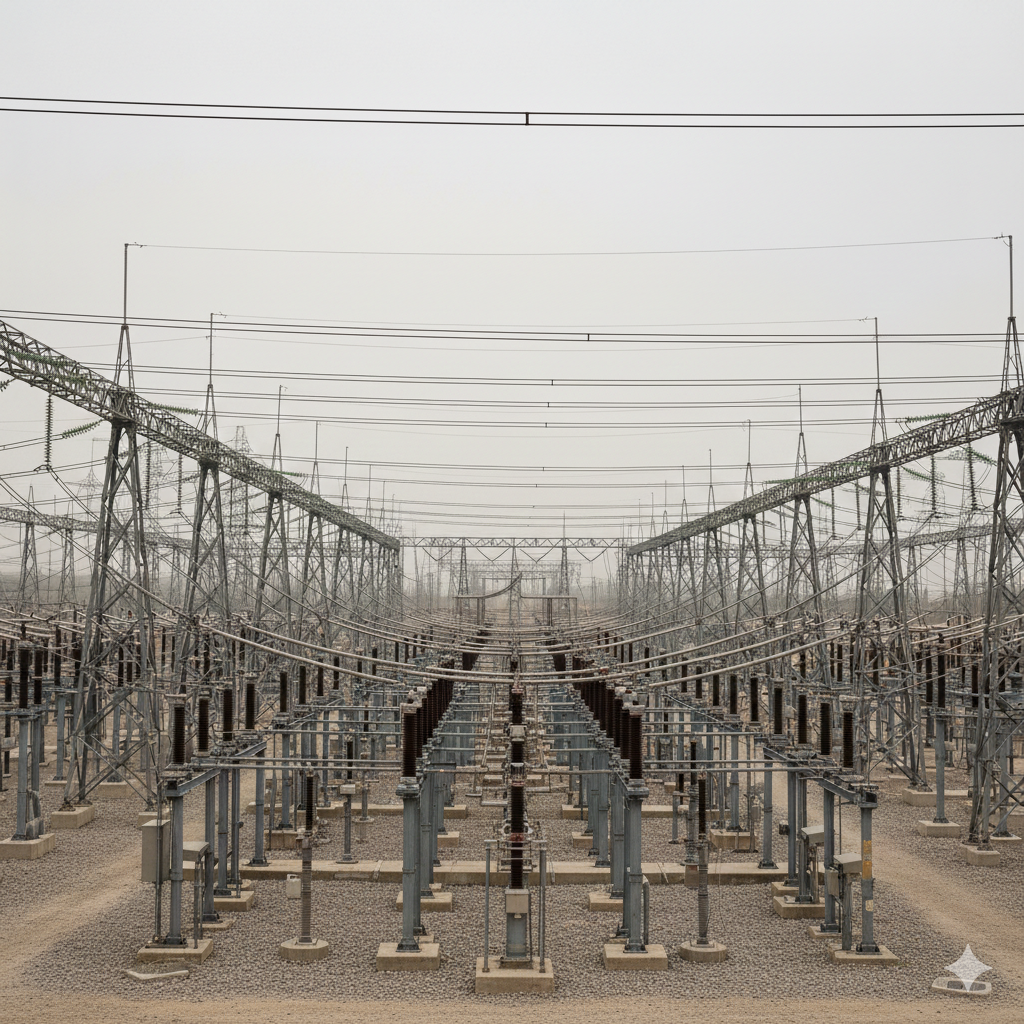
Another reason installed capacity can mislead lies beyond power plants themselves. Electricity must travel through transmission and distribution networks before reaching consumers, and along this journey, significant losses can occur.
Transmission lines may be overloaded or poorly maintained, distribution networks often suffer from technical inefficiencies and electricity theft, and billing systems may struggle to collect payments from customers.
These problems mean that a portion of the electricity generated never reaches paying users. In many African electricity systems, transmission and distribution losses remain high compared with global averages. This reduces the effective electricity supply available to households and businesses.
Installed capacity figures don't account for these losses. A country might generate substantial electricity at the power plant level but still deliver far less usable energy to its economy.
For businesses deciding whether to invest in manufacturing or industrial production, the reliability of electricity supply matters far more than the theoretical size of the generation fleet.
Reliability: the metric consumers actually experience
From the perspective of households and firms, installed capacity is largely irrelevant. What matters instead is reliability.
Reliability refers to how consistently electricity is available when needed. It includes factors such as outage frequency, voltage stability and the ability of the grid to meet peak demand.
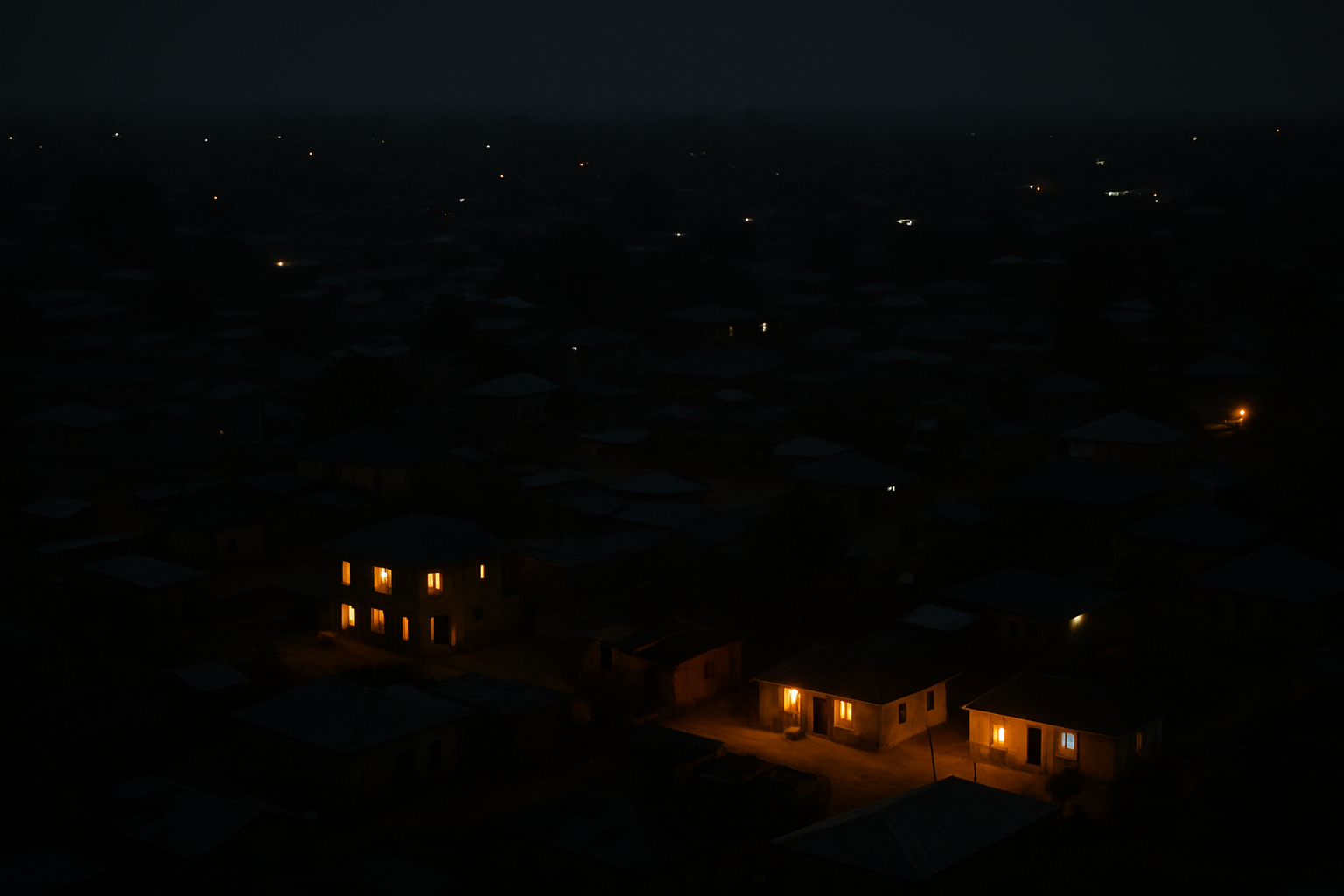
In many African countries, unreliable electricity supply remains a major constraint on economic development. Businesses often rely on diesel generators to compensate for grid outages, and households experience periodic blackouts or load shedding. These experiences can persist even when installed capacity numbers appear strong.
South Africa offers an instructive example. The country possesses one of the largest generation fleets on the continent. Yet in recent years, it has struggled with load shedding because many of its coal plants have experienced technical problems, reducing the amount of electricity actually available to the grid.
The lesson is simple: installed capacity doesn't guarantee reliability. Reliable electricity depends on plant performance, grid management, maintenance practices and investment in transmission infrastructure.
Why renewable energy debates complicate the metric further
Installed capacity becomes even more complicated in discussions about renewable energy expansion. Solar and wind projects are often measured in megawatts of installed capacity. Governments frequently announce the addition of new renewable capacity as evidence of progress toward energy transition goals.
However, renewable technologies operate differently from traditional fossil-fuel plants. Solar generation depends on sunlight, wind output fluctuates with weather patterns, and hydropower varies with rainfall.
Because of these natural factors, renewable plants often have lower capacity factors than thermal power stations. But this doesn't mean renewables are less valuable. In many cases, they provide cheaper and cleaner electricity. But interpreting installed capacity figures without considering generation patterns can create unrealistic expectations about electricity supply.
Renewable expansion also requires stronger grids capable of balancing variable generation. Without sufficient transmission capacity, renewable electricity may be curtailed, meaning it can't be delivered to consumers even when generation is available.
Installed capacity alone doesn't capture these system-level constraints.
Conclusion: installed capacity is only the beginning of the story
Installed capacity will continue to appear in headlines and policy announcements across Africa’s energy sector. It remains a useful indicator of infrastructure expansion and technological change.
But it should never be mistaken for a complete picture of electricity supply, because the number measures potential and not actual performance.
Real energy progress is reflected in electricity that is available, affordable and reliable. It is measured in factories that can operate without interruption, hospitals that maintain stable power and households that can rely on lights turning on every evening.
For Africa’s energy transition, the challenge isn't simply building more power plants, but building electricity systems that work.