Are Africa’s Regional Power Pools Delivering Or Stalling the Continent’s Energy Transition?
Regional power pools have often been presented as one of Africa’s most promising solutions to the continent’s electricity challenges.
The logic behind them is compelling because many countries operate relatively small national power systems, often dependent on a limited number of power plants and vulnerable to supply disruptions. Regional electricity markets were designed to overcome this structural limitation by linking national grids into larger interconnected systems.
In theory, these systems allow electricity to move freely across borders, so countries with surplus generation, particularly hydropower or renewable capacity, can export electricity to neighbours experiencing shortages. Thus, regions can balance supply and demand more efficiently, and investors gain confidence that larger markets exist for new power generation projects.
The potential benefits are substantial. The World Bank has repeatedly highlighted that regional power trade could reduce electricity system costs across Africa by 10–30 percent through shared infrastructure and better utilisation of generation assets.
In a continent where electricity prices remain among the highest in the developing world, such cost reductions would be transformative.
On paper, regional power pools promise a future of cheaper electricity, improved reliability and faster renewable deployment. Yet decades after their creation, the question remains: are they delivering on that promise?
Africa’s five power pools and their ambitions
Africa currently operates five regional power pools designed to integrate electricity systems across the continent.
The Southern African Power Pool (SAPP), established in 1995, is the most advanced. It links more than a dozen countries, including South Africa, Zambia, Zimbabwe, Mozambique and Namibia. The pool operates a competitive electricity trading platform and facilitates cross-border electricity trade among member utilities.
The West African Power Pool (WAPP) connects the electricity systems of ECOWAS member states, including Nigeria, Ghana and Côte d’Ivoire. Its objective is to create a unified regional electricity market capable of delivering reliable power across West Africa.
In East Africa, the Eastern Africa Power Pool (EAPP) brings together countries such as Ethiopia, Kenya, Sudan and Tanzania. Ethiopia’s expanding hydropower capacity is expected to play a major role in regional electricity trade.
Central Africa operates the Central African Power Pool (CAPP), which aims to leverage the region’s vast hydropower potential, particularly from the Congo Basin.
North Africa, meanwhile, has pursued stronger integration with European markets, particularly through electricity interconnections between Morocco and Spain.
Together, these power pools were envisioned as the backbone of a continent-wide electricity market. But turning institutional frameworks into functioning electricity markets has proven far more difficult than planners initially expected.
The limited reality of electricity trade
Despite decades of investment and planning, electricity trade across African power pools remains relatively modest.
The Southern African Power Pool, often regarded as the continent’s most successful example, facilitates electricity trading between member countries. Yet even there, cross-border electricity trade accounts for a relatively small share of total electricity demand in the region.
In other power pools, the gap between ambition and reality is even wider.
The West African Power Pool, for example, has made progress in building transmission links between member states. Projects such as the Côte d’Ivoire–Liberia–Sierra Leone–Guinea (CLSG) interconnection have expanded the physical grid. Yet power trading volumes remain limited compared with the size of the region’s electricity demand.
In East Africa, Ethiopia has begun exporting electricity to neighbouring countries, particularly Kenya and Sudan. But these exchanges remain dependent on a limited number of interconnection corridors rather than a fully integrated regional market.
The underlying issue is that regional power pools are easier to establish institutionally than they are to operationalise economically.
Electricity trade requires more than intergovernmental agreements. It depends on functioning power markets, reliable infrastructure, and financially stable utilities capable of honouring cross-border contracts; in many African countries, these conditions remain fragile.
Transmission infrastructure: the missing backbone
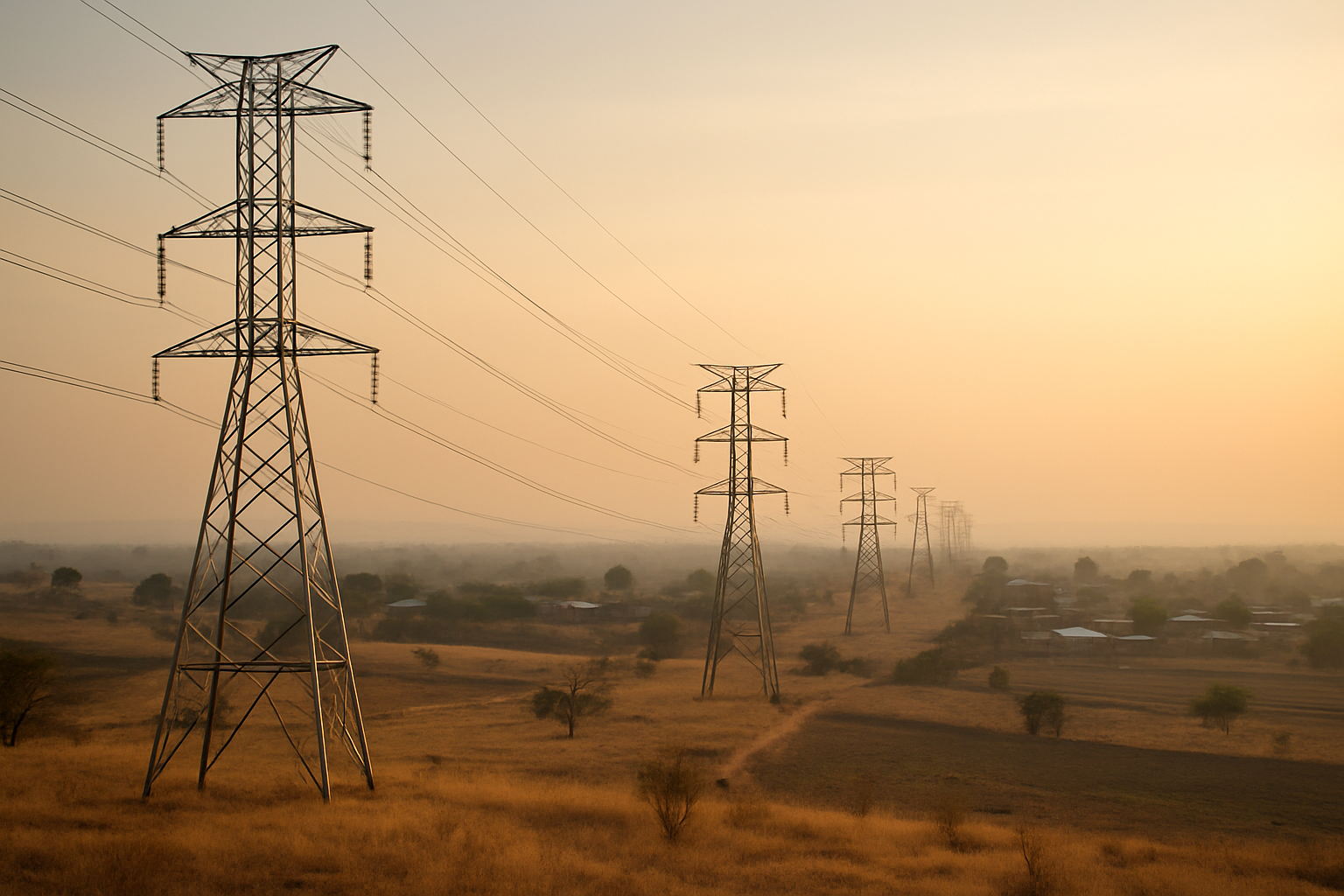
One constraint on regional electricity trade is transmission infrastructure. Cross-border electricity markets can't function without high-capacity transmission corridors capable of moving large volumes of power between countries. Yet transmission investment across Africa has lagged far behind generation development.
Large interconnection projects such as the Ethiopia–Kenya high-voltage direct current transmission line, designed to transmit Ethiopian hydropower to East Africa, illustrate both the promise and the complexity of regional integration. These projects require years of planning, complex financing arrangements and coordination between multiple governments and utilities.
Similar challenges exist in West Africa, where major transmission corridors linking Nigeria, Niger, Benin and Burkina Faso have taken more than a decade to develop.
The International Energy Agency notes that globally, grid expansion has become the primary bottleneck for electricity system growth, particularly as renewable energy deployment accelerates. For Africa, where transmission infrastructure remains underdeveloped in many regions, this constraint is even more pronounced.
Utility solvency and the economics of electricity trade
Even where transmission infrastructure exists, another barrier often emerges: the financial health of national utilities.
Many African utilities operate under severe financial limitations. Tariffs are often politically sensitive, cost recovery is incomplete, and electricity losses remain high in several markets. The result is a sector characterised by fragile balance sheets and limited creditworthiness. And this creates a challenge for regional power trade.
Cross-border electricity transactions depend on long-term contracts and reliable payment mechanisms. If utilities are unable to guarantee payments, electricity exporters may hesitate to supply power even when surplus capacity exists.
The World Bank has stated that improving utility governance and financial sustainability is central to strengthening electricity markets across Africa. Without financially viable utilities, regional power pools cannot function effectively as electricity markets; instead, they risk becoming political agreements without the commercial foundations required for sustained trade.
Renewable energy and the case for regional grids
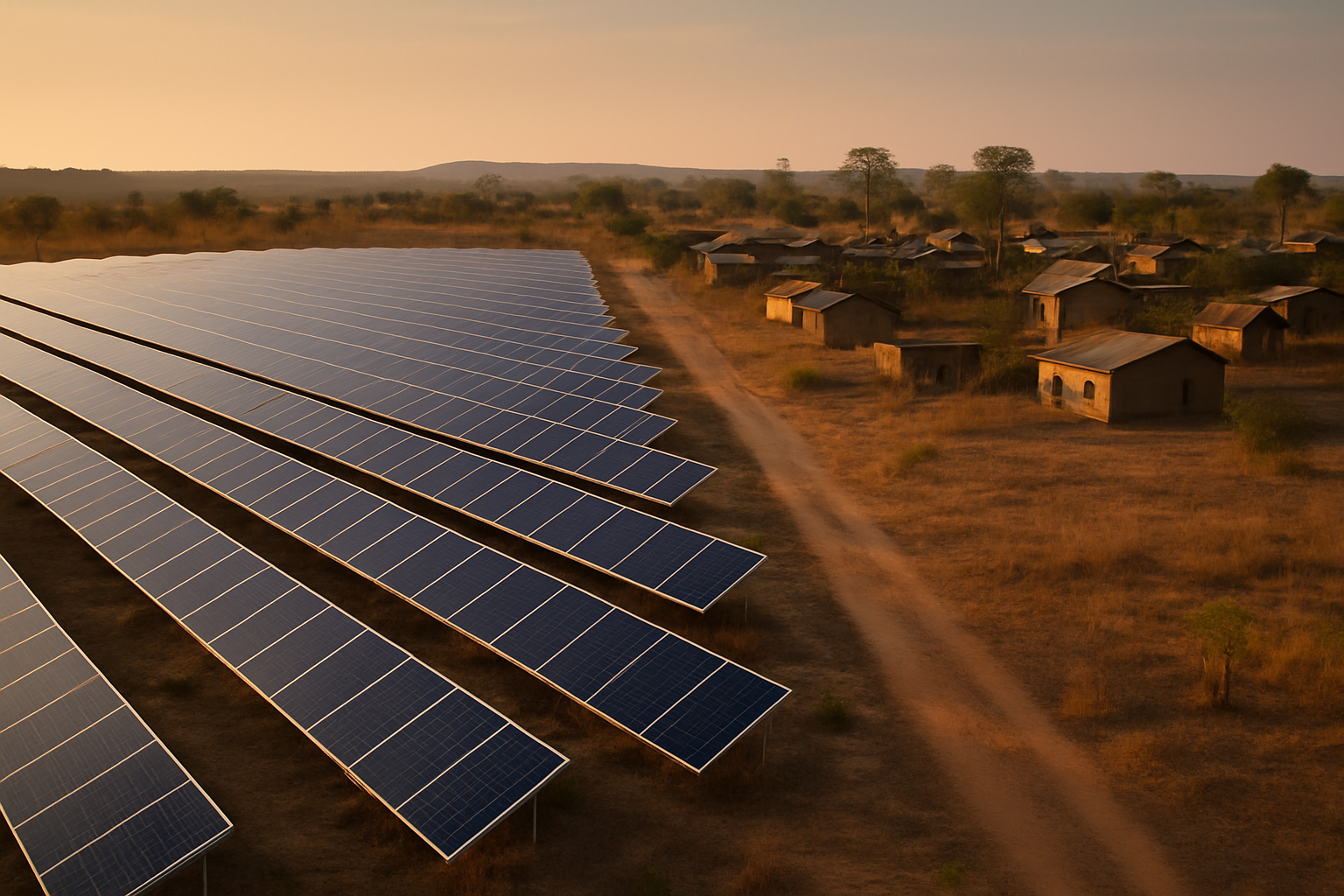
Ironically, the rise of renewable energy may increase the importance of regional electricity markets. Solar and wind generation are inherently variable. Their output depends on weather conditions and fluctuates throughout the day, and integrating large shares of renewable energy into electricity systems requires flexibility, which interconnected grids provide.
When renewable generation falls in one area, electricity can be imported from another. Hydropower resources in one country can balance solar generation in another, and demand peaks can be smoothed across regions.
Countries with strong solar potential, such as Namibia or Morocco, could export surplus power to neighbouring markets, while hydropower-rich countries such as Ethiopia or Zambia could provide balancing capacity for regional grids.
If these systems function effectively, they could transform Africa’s electricity landscape. But achieving this vision requires far greater investment and coordination than currently exists.
The strategic question: integration or institutional stagnation
The debate surrounding Africa’s regional power pools revolves around one question: Are these institutions evolving into functioning electricity markets, or are they stagnating as development frameworks with limited operational impact?
Progress is visible. Cross-border transmission projects are expanding, some electricity trading platforms are functioning, and renewable energy development is increasing the economic rationale for regional integration.
Yet structural challenges remain persistent. Transmission infrastructure gaps, financially fragile utilities and uneven political coordination continue to limit the scale of electricity trade across the continent.
Regional power pools were conceived as engines of electricity integration. Their success depends on institutional capacity and political commitment, which, if aligned, power pools could become a cornerstone of Africa’s energy transition. But if they don't, the continent risks remaining a patchwork of fragmented national electricity systems.
Conclusion: the future of Africa’s electricity integration
Regional power pools remain one of Africa’s most ambitious energy policy experiments. Their potential benefits are undeniable: lower electricity costs, stronger energy security and greater capacity to integrate renewable energy at scale.
But potential alone doesn't guarantee success. For power pools to deliver on their promise, three conditions must converge: expanded transmission infrastructure, financially viable utilities and stronger regional governance frameworks.
Achieving these conditions will require sustained investment and political commitment across multiple countries. The question is no longer whether regional electricity integration is desirable, but whether Africa can build the systems necessary to make it real.