
ETA Reports
West Africa Has Green Policies. Where Is the Capability?
ECOWAS adopted a renewable energy policy in 2013. Six connected gaps explain why West Africa adopts green technology without building it.
Safiya Adejoh•October 9, 2026
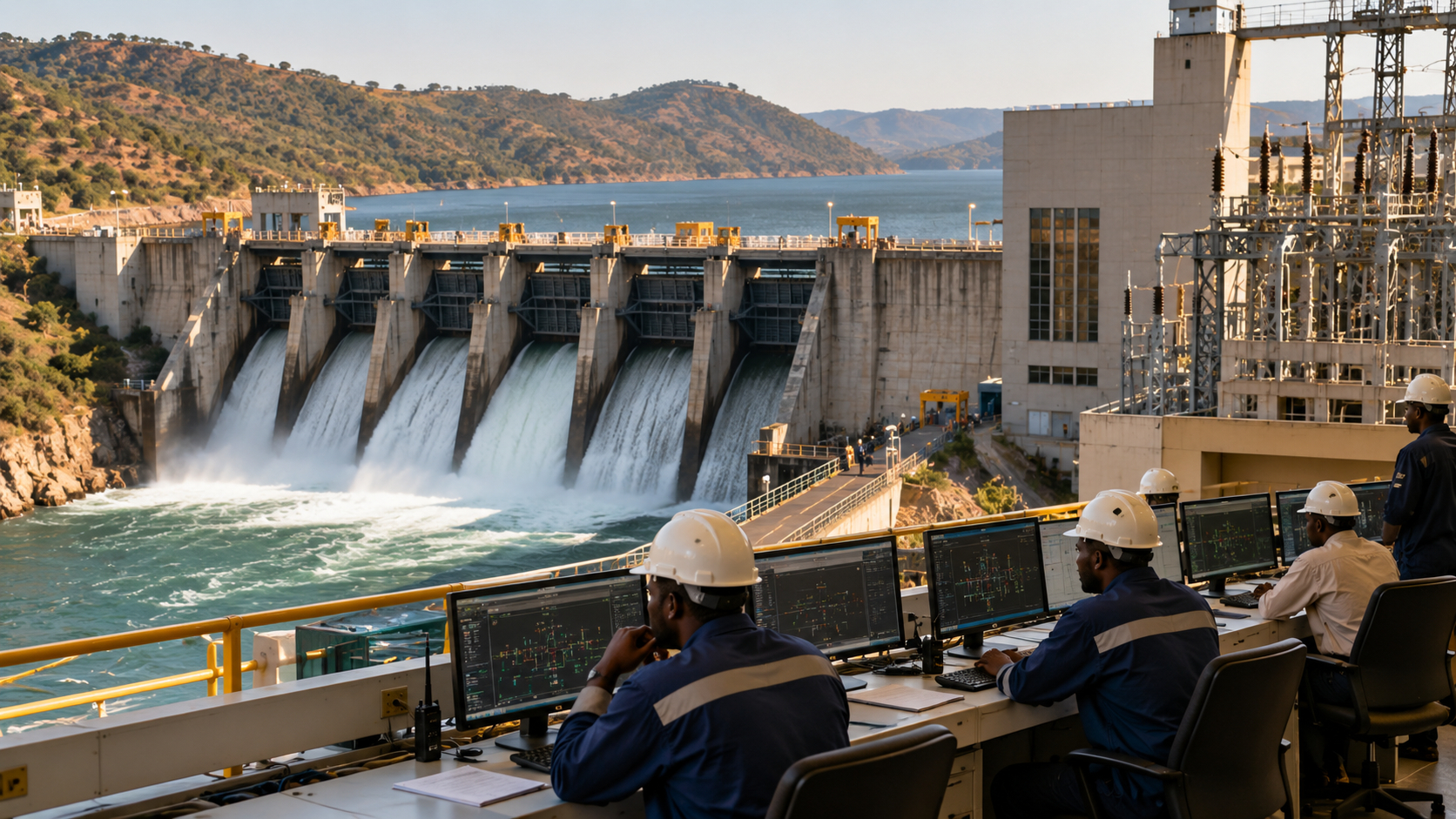
ECOWAS adopted a renewable energy policy in 2013. Six connected gaps explain why West Africa adopts green technology without building it.
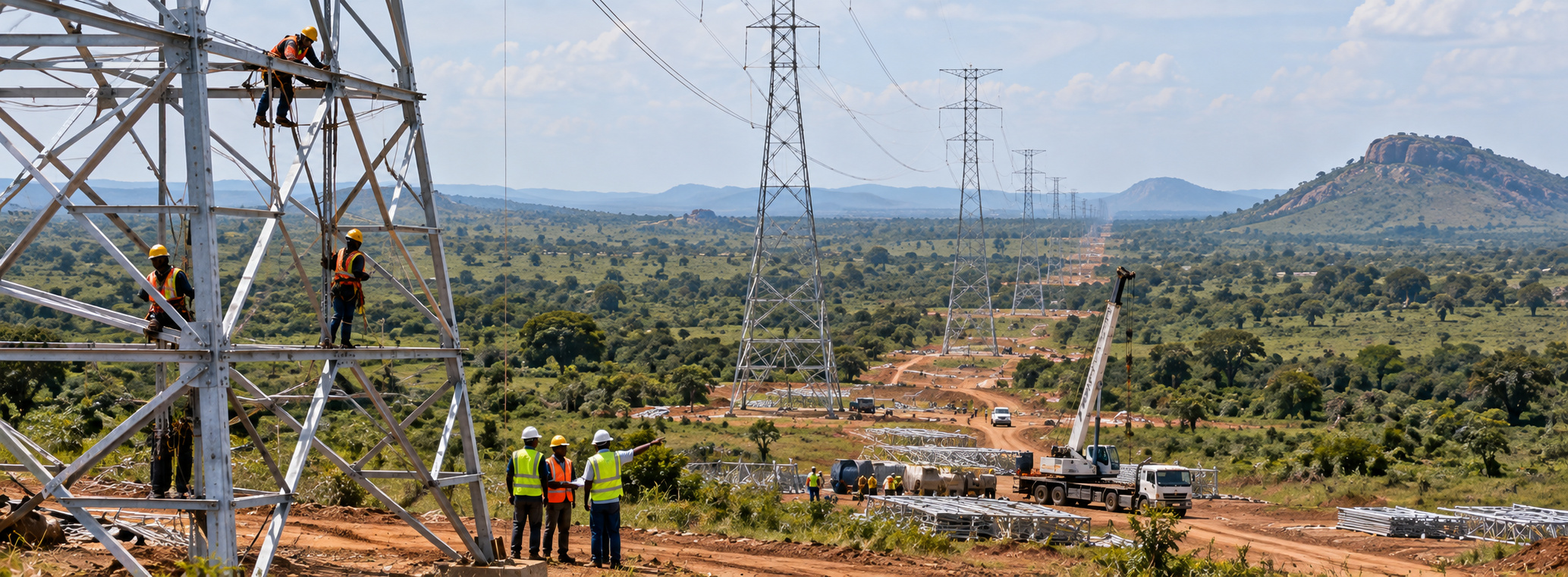
Nigerian pension funds pledged N241 billion to infrastructure, but none has moved. ETA maps which stages of an African energy project pension funds can prudently hold.
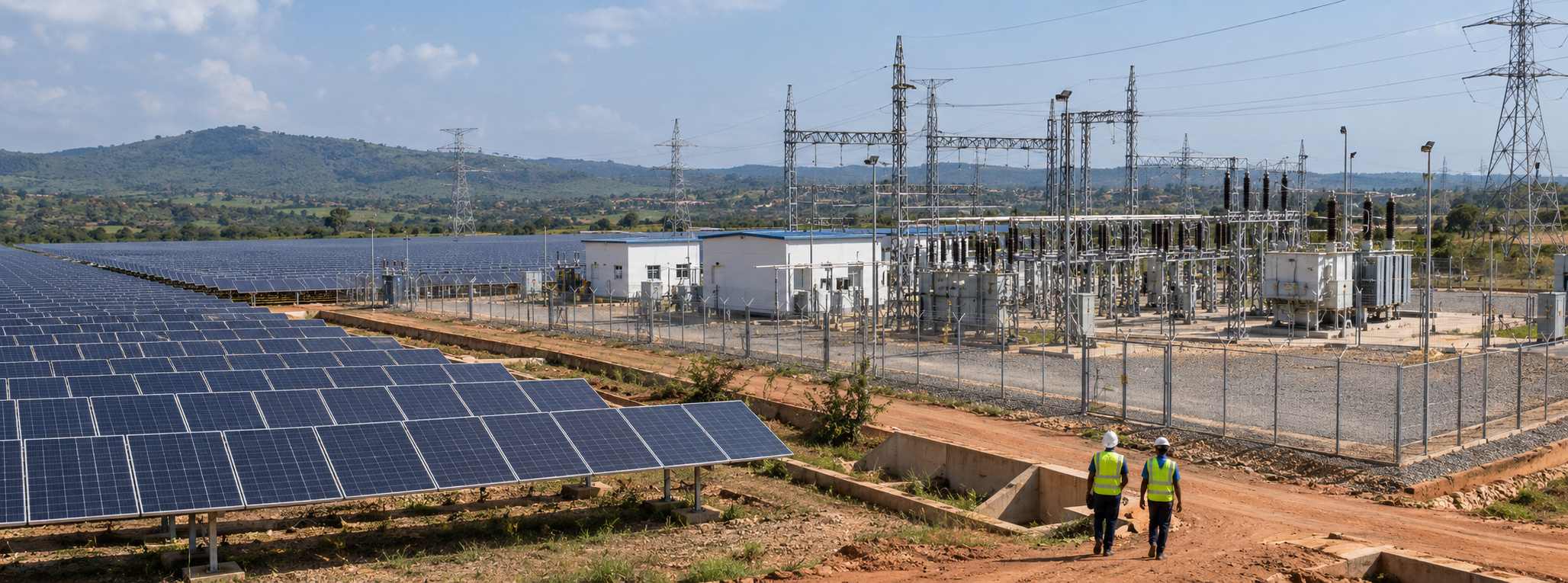
Uganda carries a $119 million loan to build a power line to South Sudan, whose civil servants are owed up to 13 months of salary. ETA examines who actually carries the risk if the buyer cannot pay.
Ghana has authorised 12.7 MtCO2e in carbon credits under Article 6. ETA explains ITMOs, the July 2026 renewable electricity methodology, and whether the revenue can actually get an African power project to financial close.
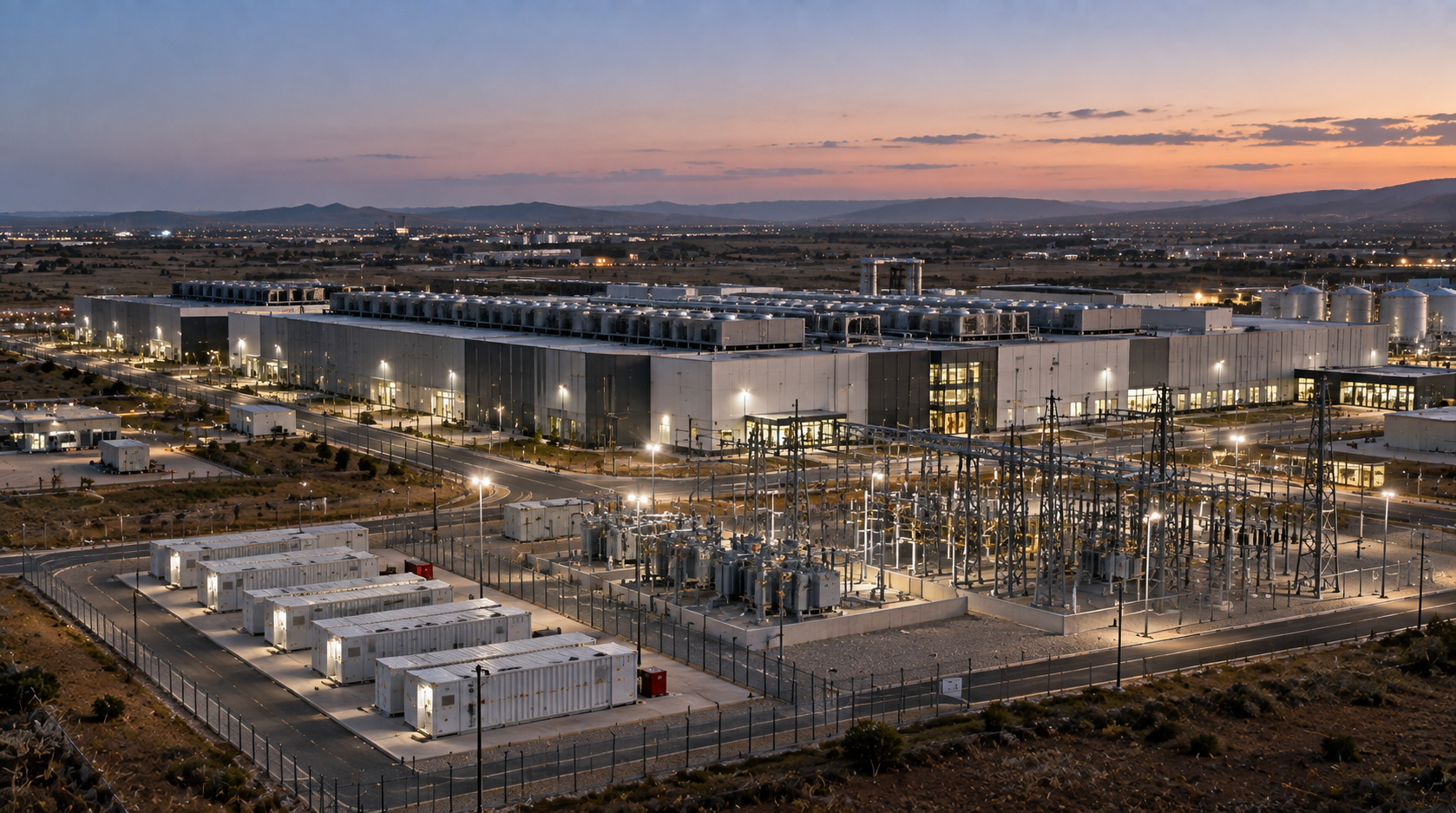
Africa is attracting major digital infrastructure investment. ETA examines the four emerging models for financing the generation, storage and grid capacity required to power it.
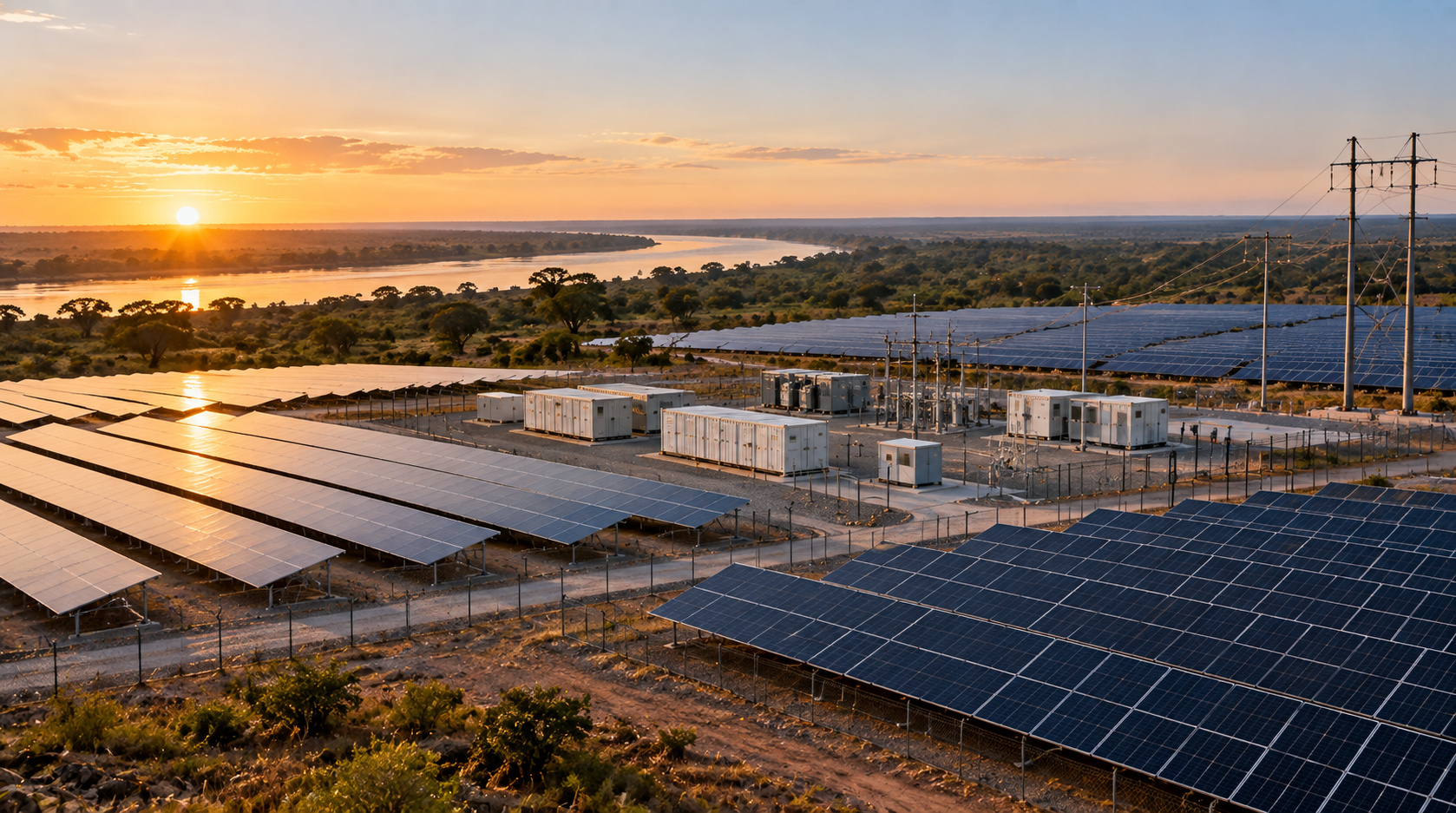
Less than 10% of African energy projects reach financial close. Zambia's Ilute Solar Project did, without a sovereign guarantee. ETA explains the eight-stage sequence through the deal that cleared it.
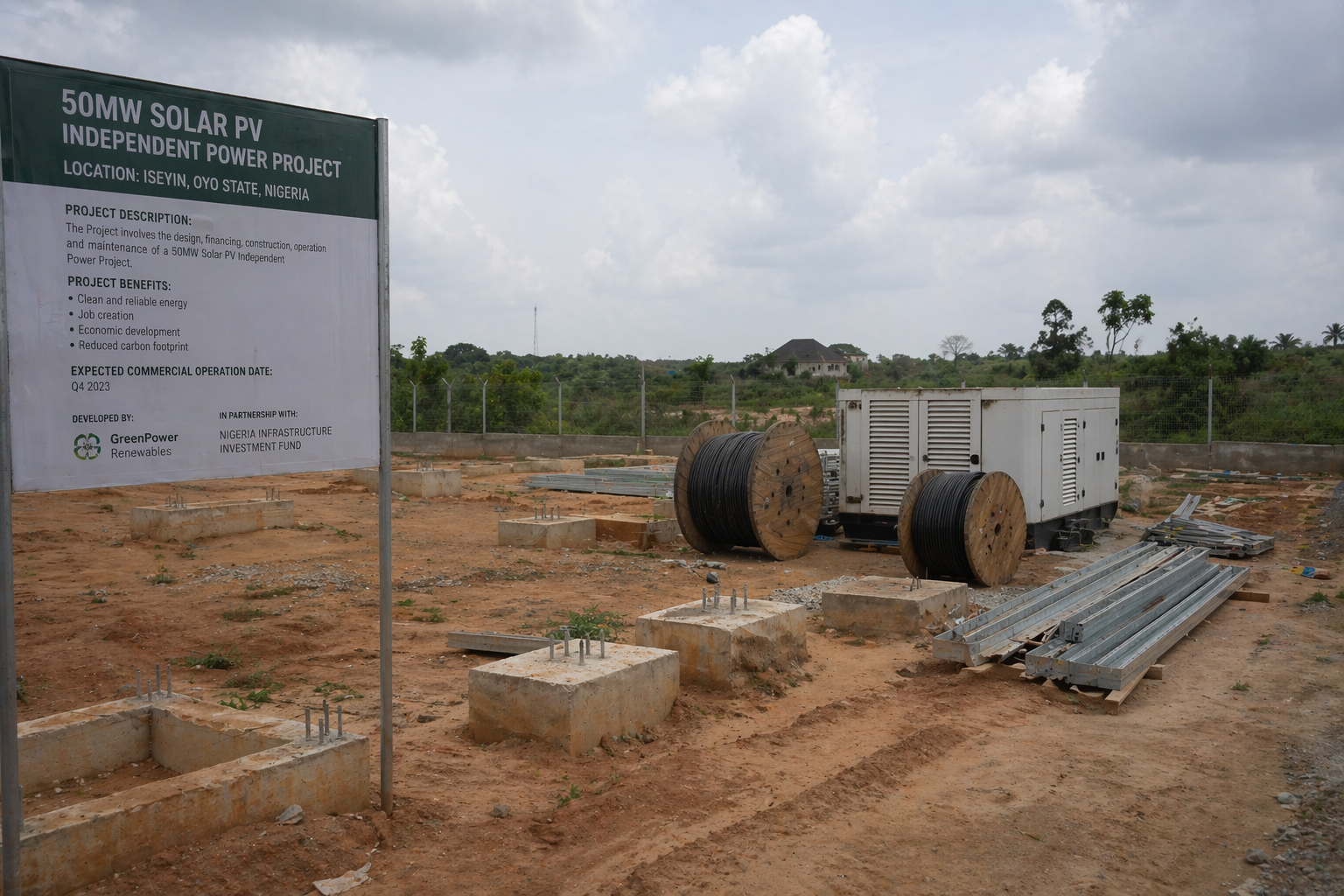
Global energy investment reaches $3.3 trillion in 2025. Africa gets 2%. But 80% of announced African energy projects never reach financial close, Chinese DFI spending has fallen 85%, and bankability conditions are absent in most markets. ETA maps why the money doesn't arrive.
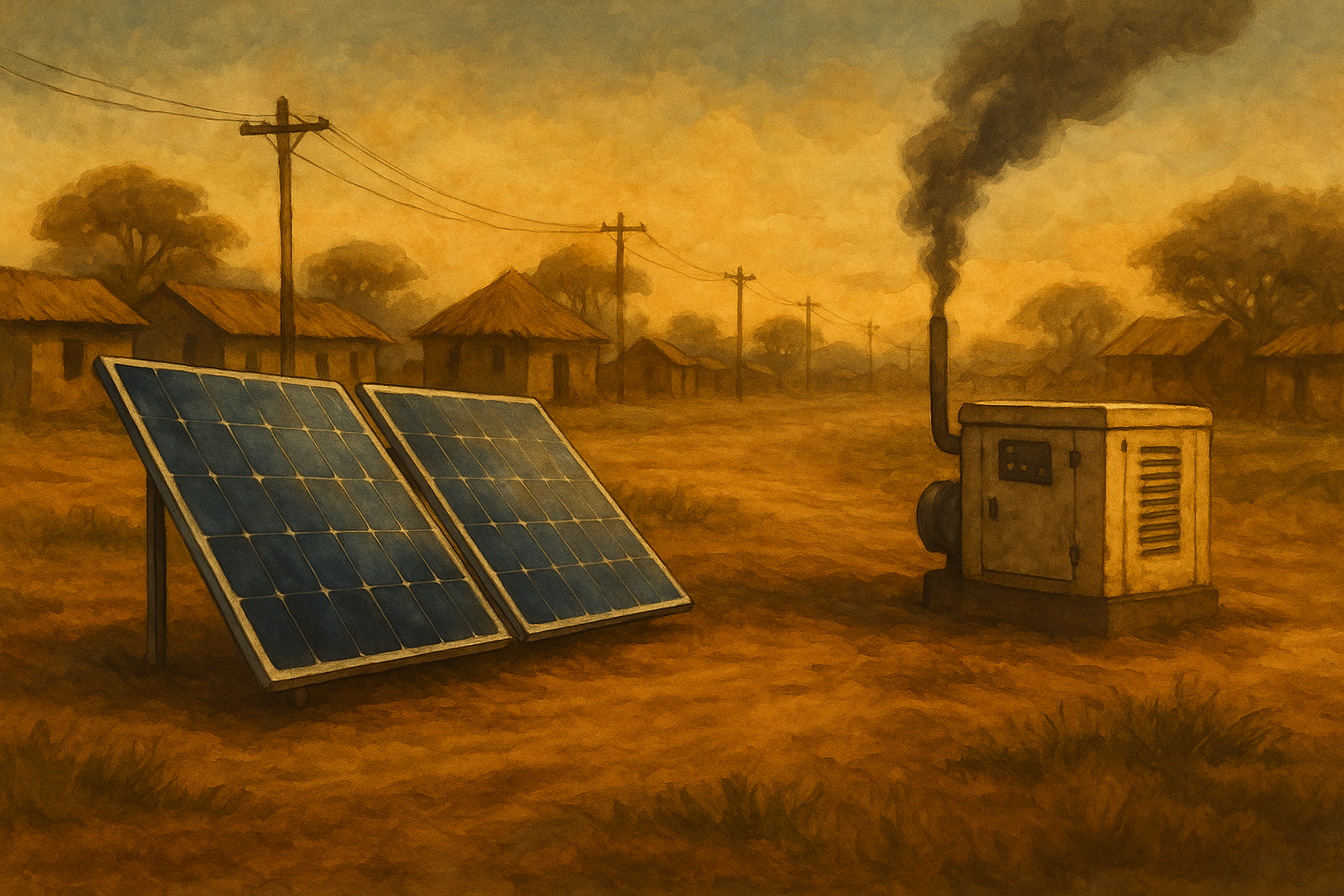
At COP30 in Belém, amid speeches about green growth and net-zero futures, one statement is worth noting. “For much of the developing world, high debt, high risk and a high cost of capital make...