
Only Seven African Governments Showed Up in Santa Marta and It Reveals a Bigger
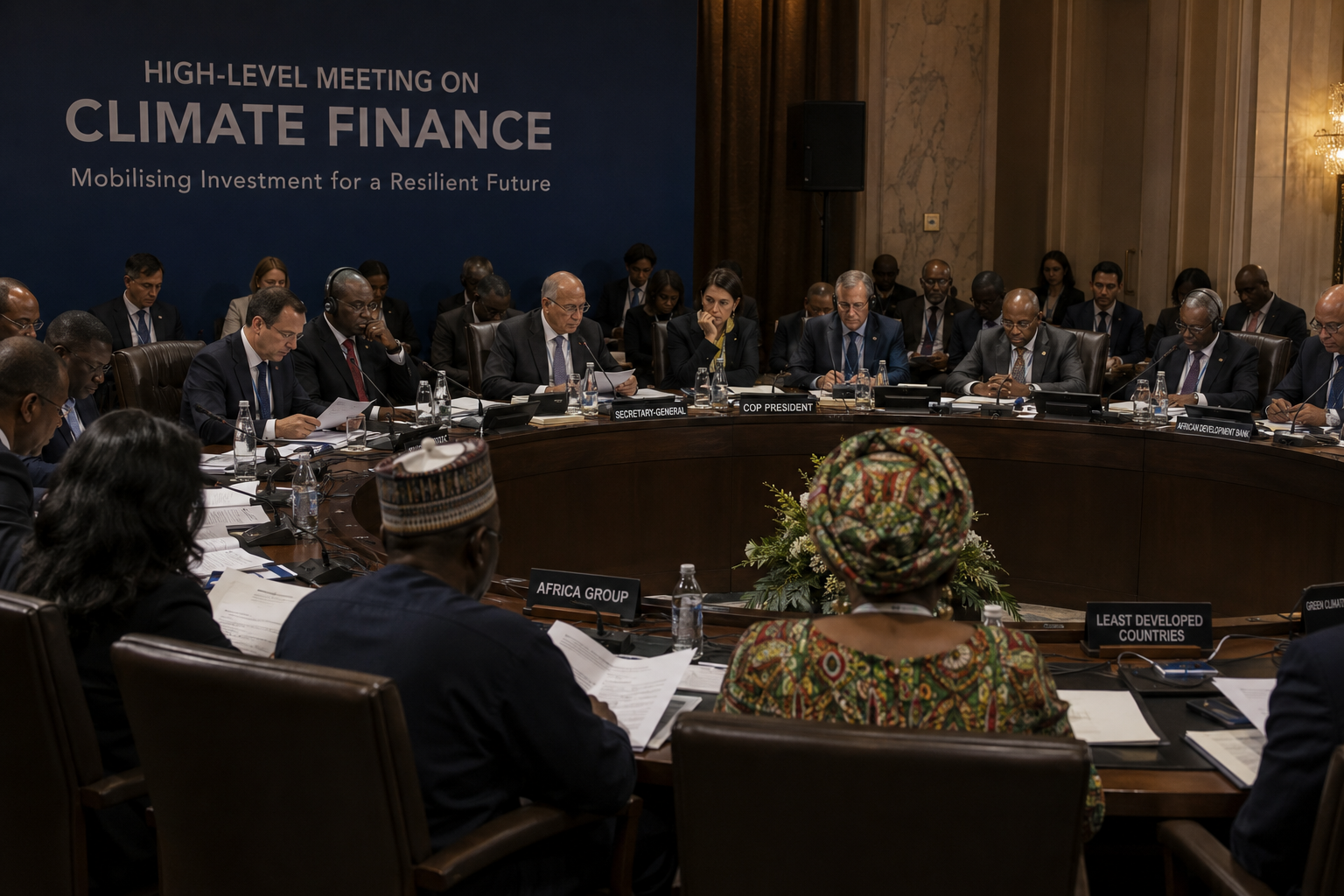
Only seven African governments are in Santa Marta. Their presence and the absence of most others reveal how Africa’s energy future is being negotiated.


Only seven African governments are in Santa Marta. Their presence and the absence of most others reveal how Africa’s energy future is being negotiated.

Global energy investment reaches $3.3 trillion in 2025. Africa gets 2%. But 80% of announced African energy projects never reach financial close, Chinese DFI spending has fallen 85%, and bankability conditions are absent in most markets. ETA maps why the money doesn't arrive.

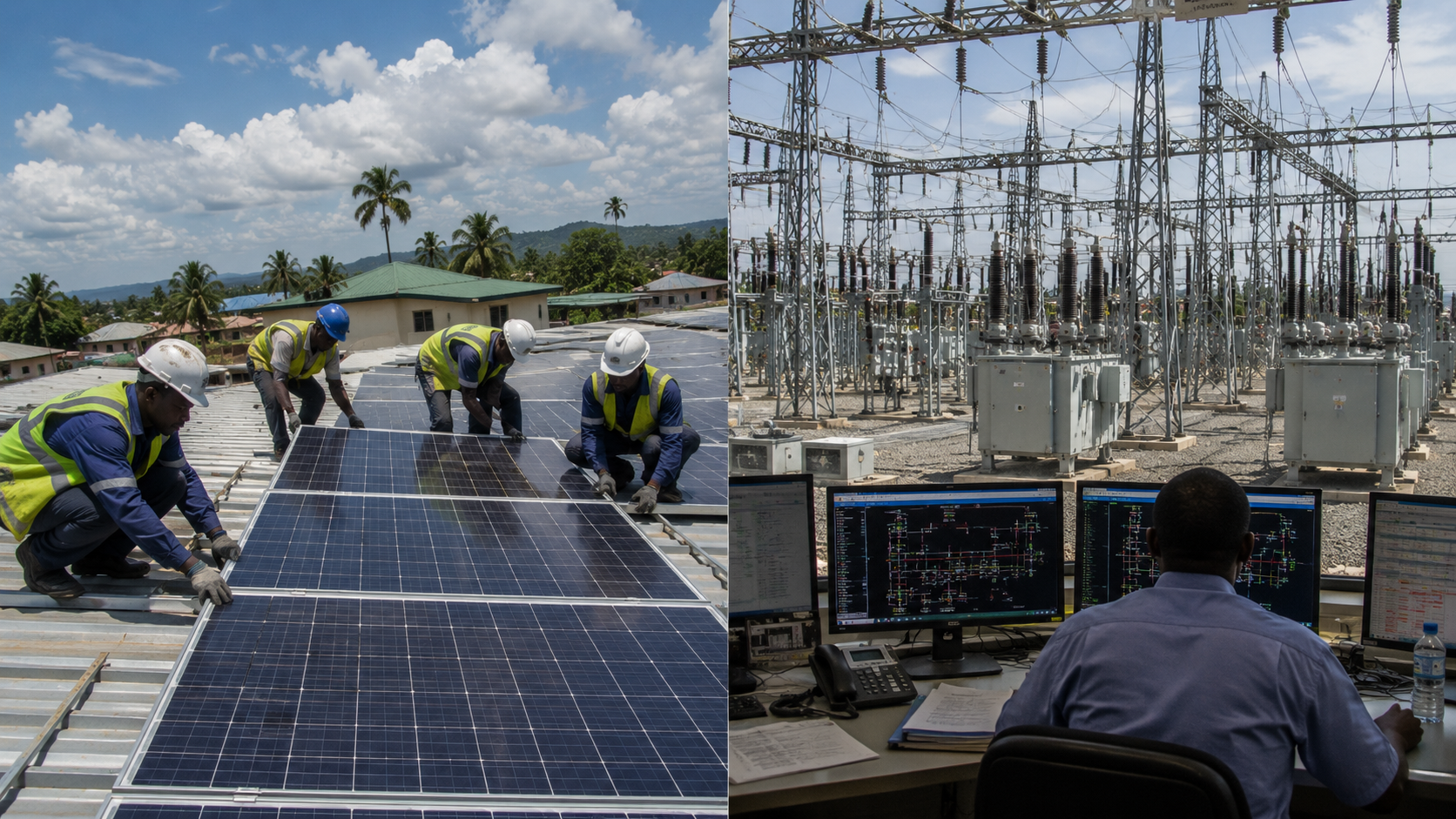
Africa has power, but it is too expensive to use, as tariffs rise, utilities struggle, and high financing costs limit what the energy transition can deliver.

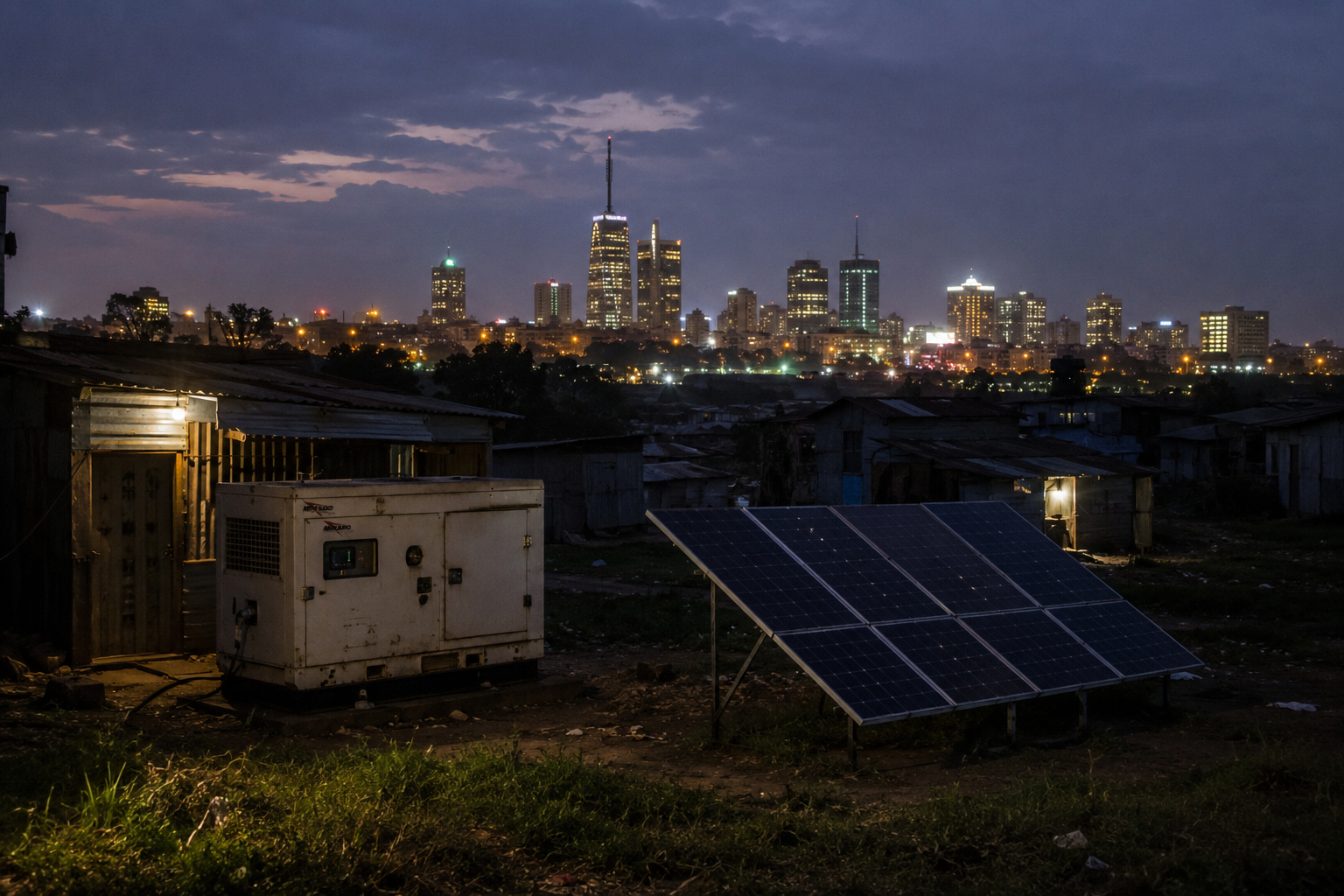
Africa’s digital economy runs on diesel, with telecom towers and data centres heavily dependent on fossil fuel, driving costs and exposing a critical infrastructure gap.

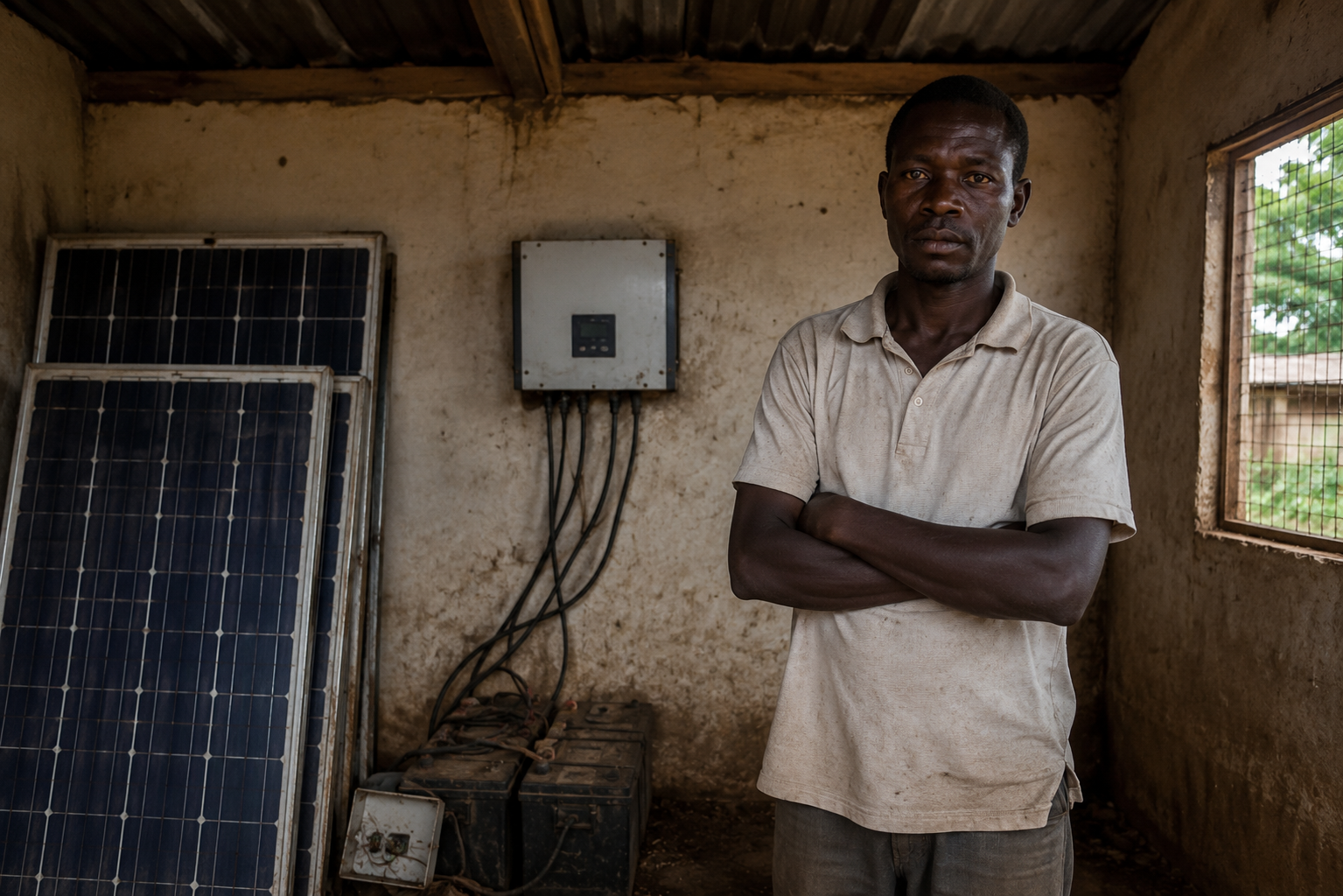
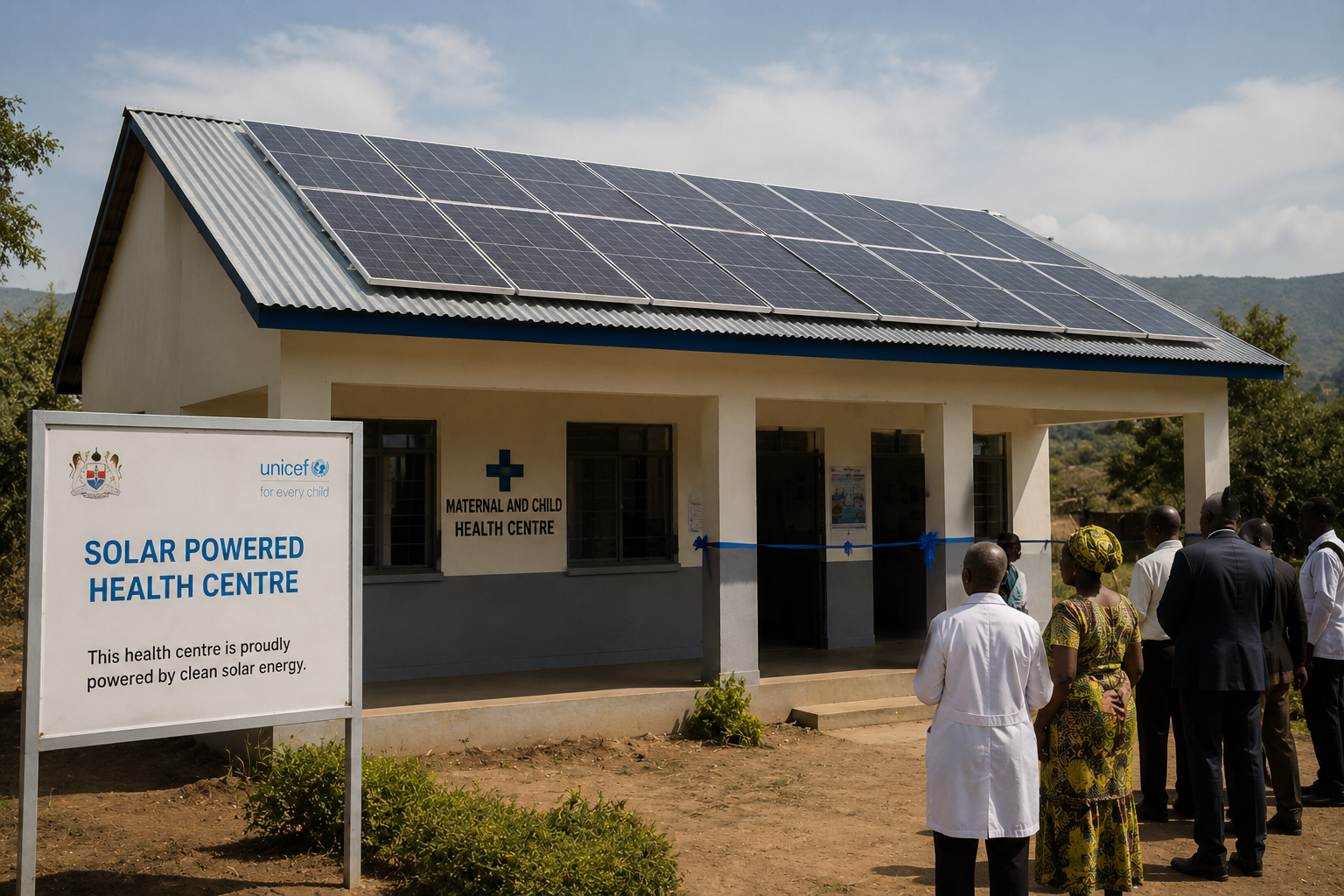
At TED Vancouver, Vincent Egoro reflects on Africa’s energy transition, where systems are installed but often fail because the people to run them are missing.

Nigeria spends an estimated $14 billion a year on generators. The sector now has its own supply chains, financing and political interests. ETA Analysis examines why the generator economy survives grid reform and what it means for the energy transition.

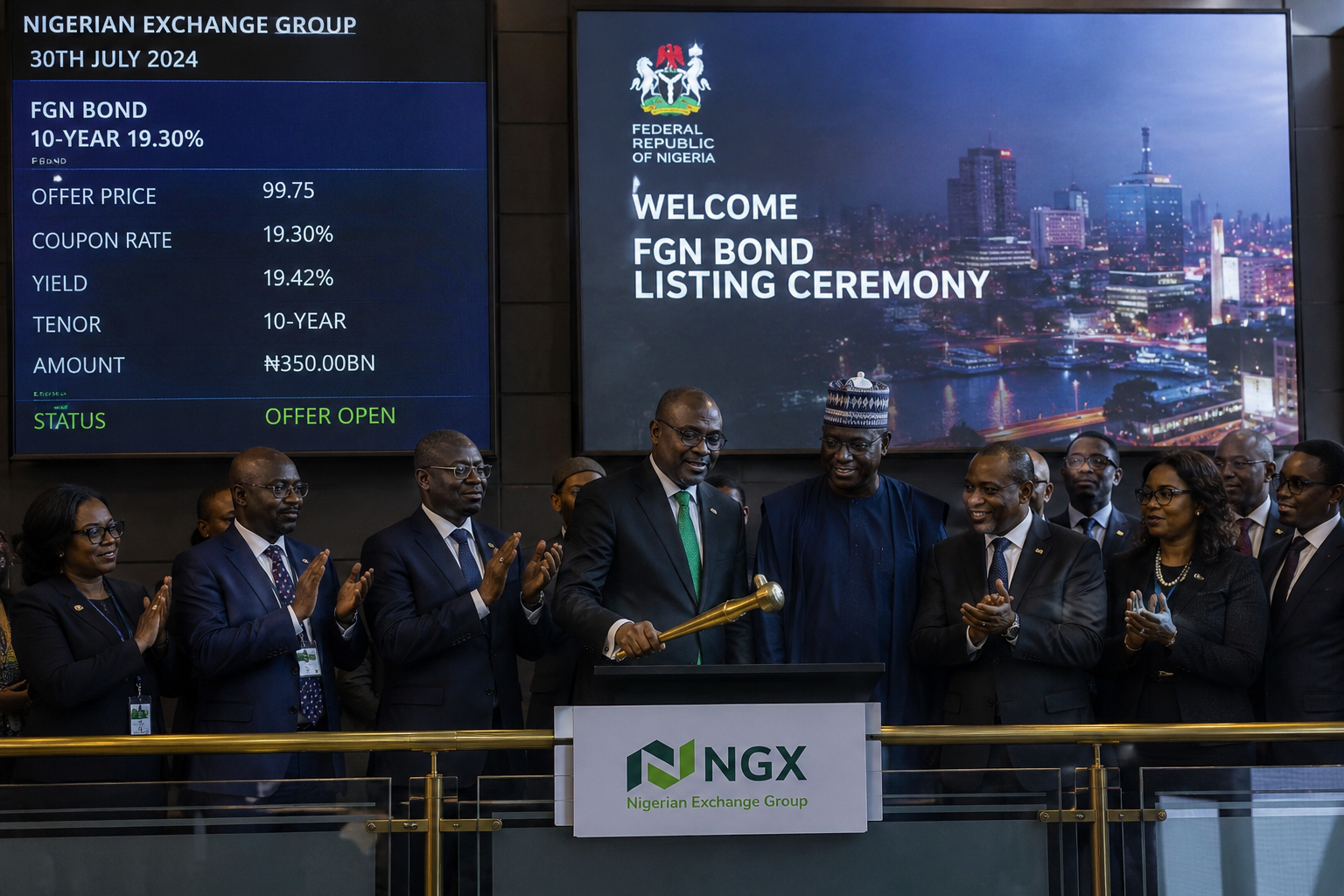
African countries borrow at 15–18% to finance clean energy infrastructure. Europe and the US pay 2–5%. This isn't a financing gap, but a pricing architecture. ETA Analysis examines how the creditworthiness framework locks Africa into fossil fuel dependence and why volume pledges alone can't fix it.

Africa's solar boom was built partly on a Chinese VAT export rebate that transferred Beijing's fiscal resources to overseas buyers. From 1 April 2026, that rebate is gone. ETA Explains what it was, who it benefited, and what Africa's project economics look like without it.

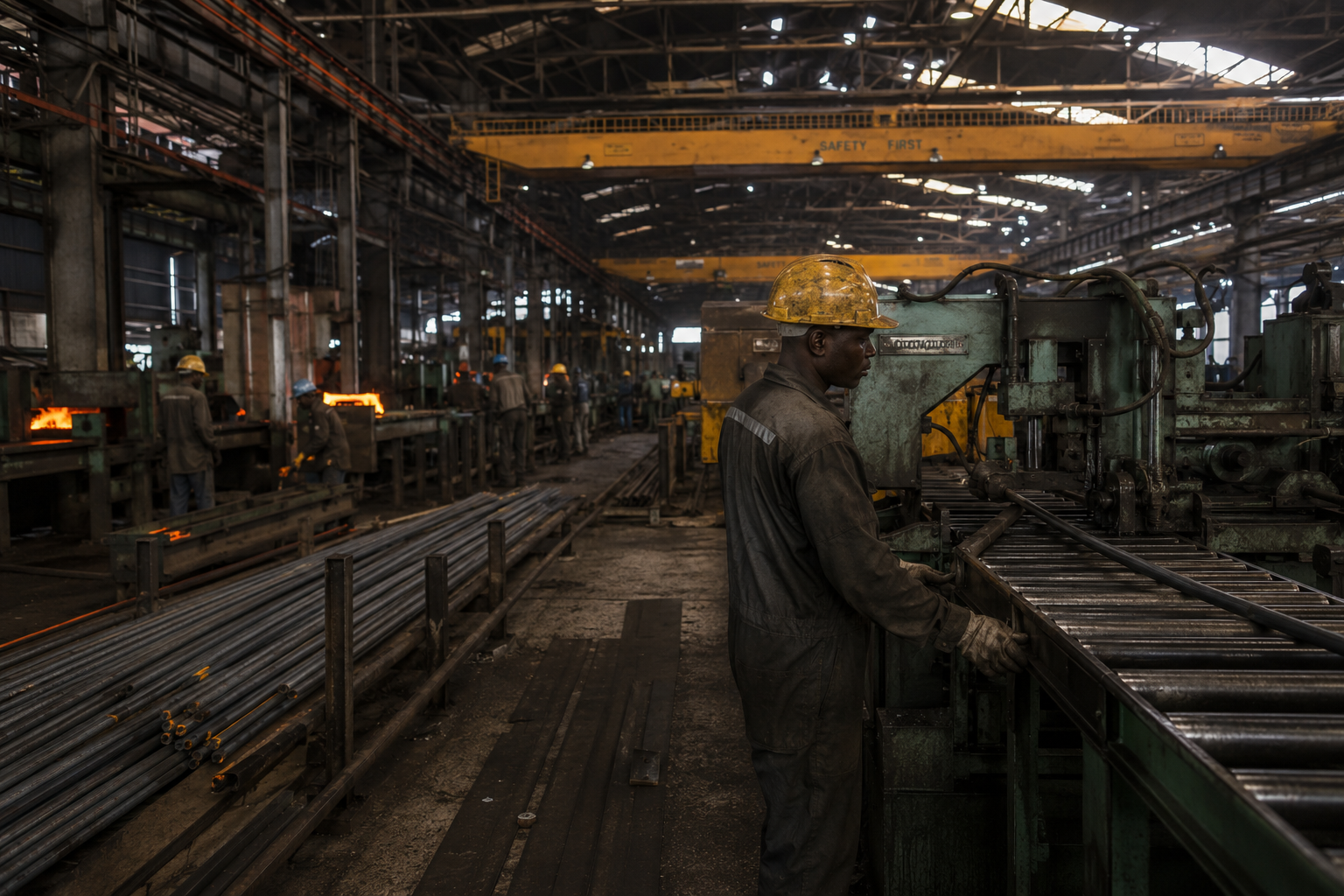
Africa's energy transition is built around access and renewables. But industry — the sector that drives economic transformation — was never placed at its centre. ETA examines the institutional planning failure holding back Africa's industrial future.

Africa's clean energy capacity is growing. But for industries across the continent, electricity is becoming too expensive to run on. Vincent Egoro examines the utility insolvency trap, the political economy of power pricing, and why climate finance alone won't solve the affordability crisis.

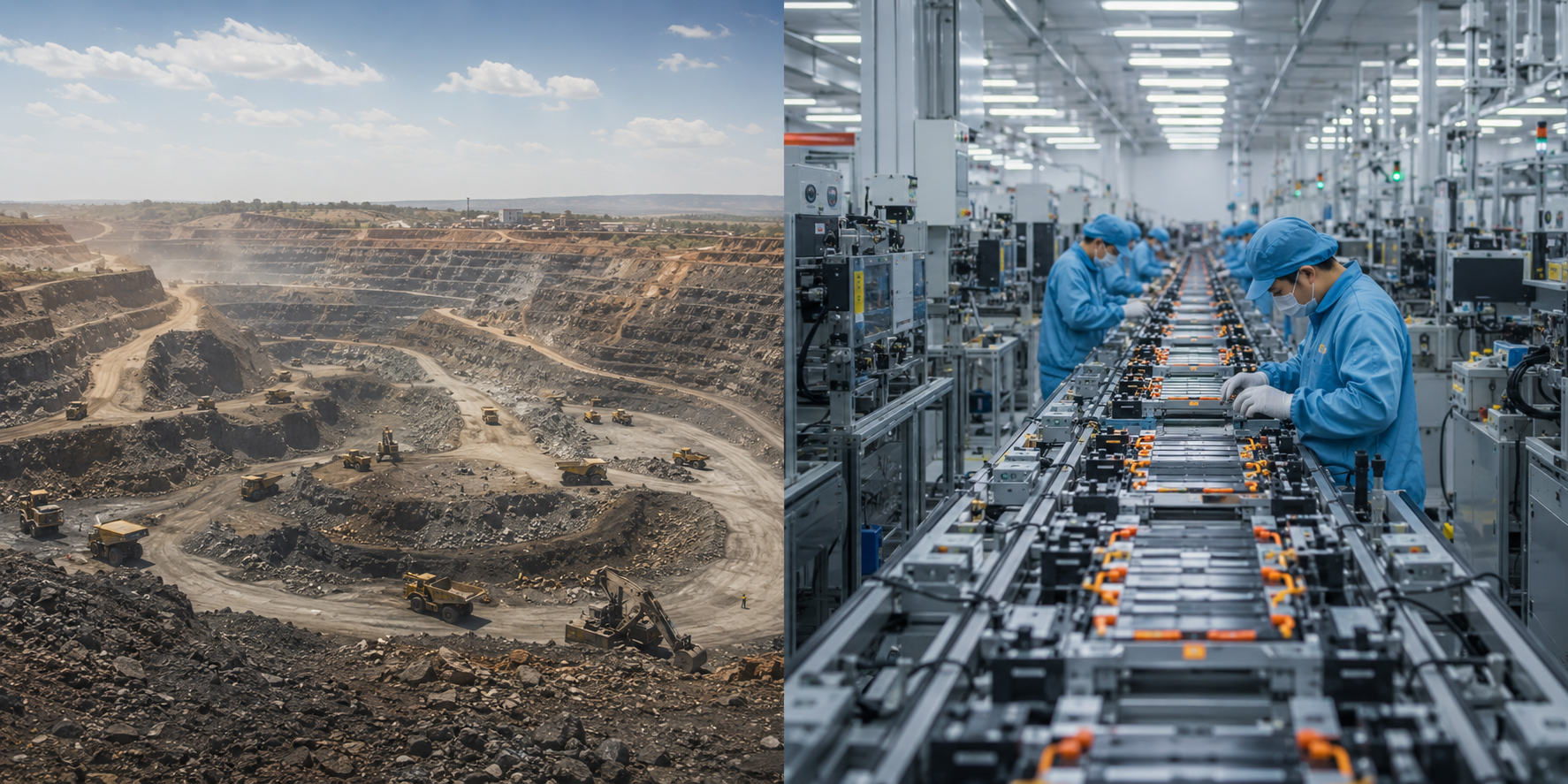
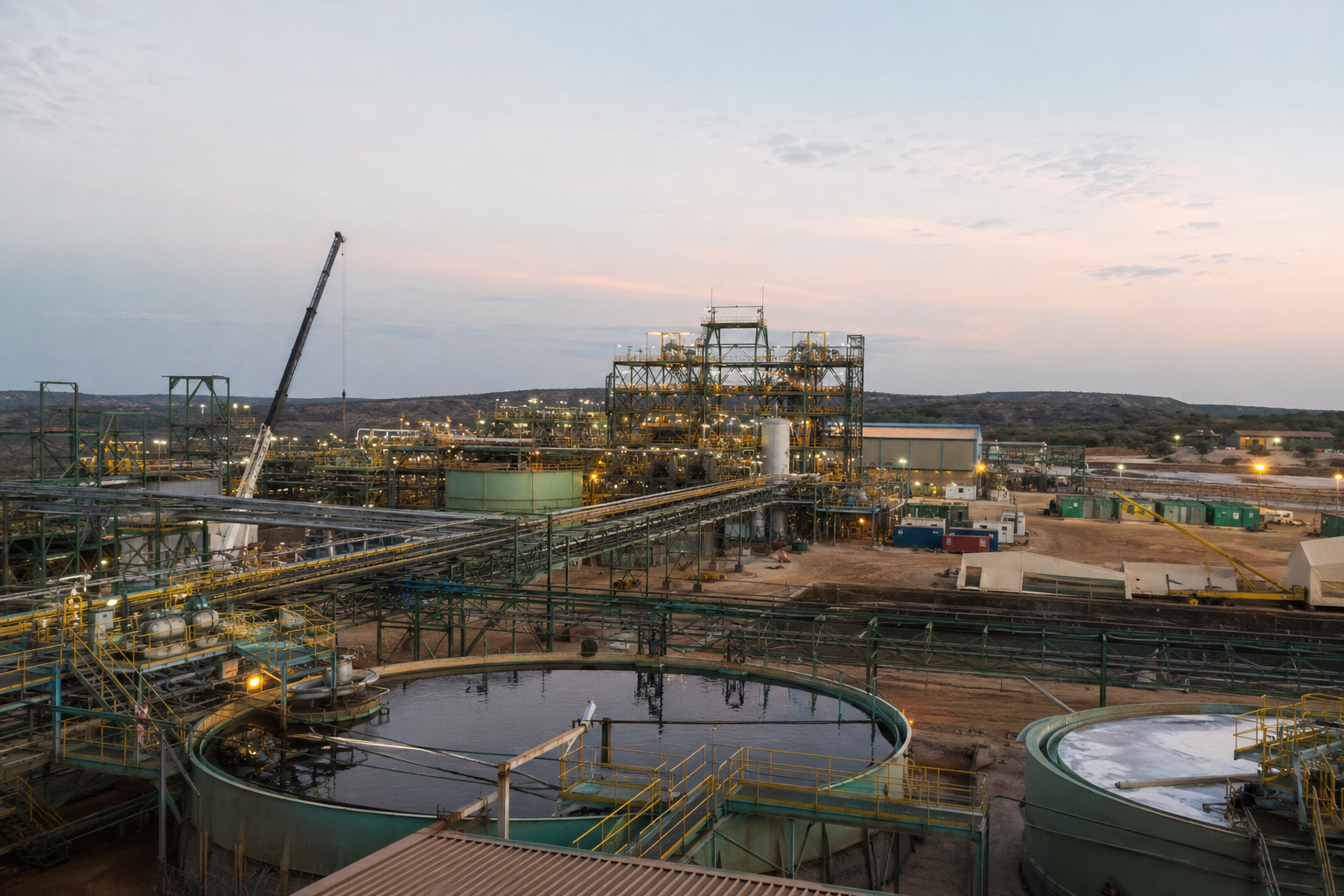
Congo’s critical minerals strategy is drawing China and the US into competition, but the real question is whether it can turn resource power into real economic value.

Are Africa’s regional power pools delivering cheaper electricity and renewable integration, or stalling the continent’s energy transition?